
2026 Medspa Trends Clients Should Watch Now
The most meaningful 2026 medspa trends are not about chasing the newest treatment on social media. They are about more precise plans, better skin quality, natural-looking structural support, and care that fits real life. For clients who value polished results, the standard is changing from “What can I do today?” to “What will look good, heal well, and still make sense six months from now?”
For Naples-area clients, that shift matters. Sun exposure, active social calendars, travel, and a preference for refined results all affect which treatments make sense and when to schedule them. The best outcomes will continue to come from thoughtful assessment, qualified hands, appropriate maintenance, and clear aftercare.
2026 Medspa Trends: Better Planning, Not More Treatments
The strongest trend is restraint with purpose. Clients are becoming more informed about the difference between looking refreshed and looking overdone. They want treatment plans that account for facial movement, skin condition, volume changes, lifestyle, and recovery time rather than a single appointment built around a trend.
This does not mean every client needs a long, complicated regimen. It means choosing the right service for the concern. Fine lines caused by repeated movement may respond differently than volume loss, laxity, acne scarring, uneven pigment, or texture. A skilled provider should explain that distinction before recommending injectables, collagen-stimulating treatments, skin resurfacing, or a combination approach.
The trade-off is patience. Gradual, collagen-focused treatments can create a more natural progression, but they do not always offer the immediate change some clients expect. Faster treatments may be useful before an event, but they can require maintenance and a realistic understanding of what they can and cannot correct.
Skin Quality Takes Center Stage
For years, many aesthetic conversations centered on lines and volume. In 2026, skin quality will remain a primary focus: smoother texture, clearer tone, improved hydration, firmer-looking skin, and makeup that sits better because the skin beneath it is healthier.
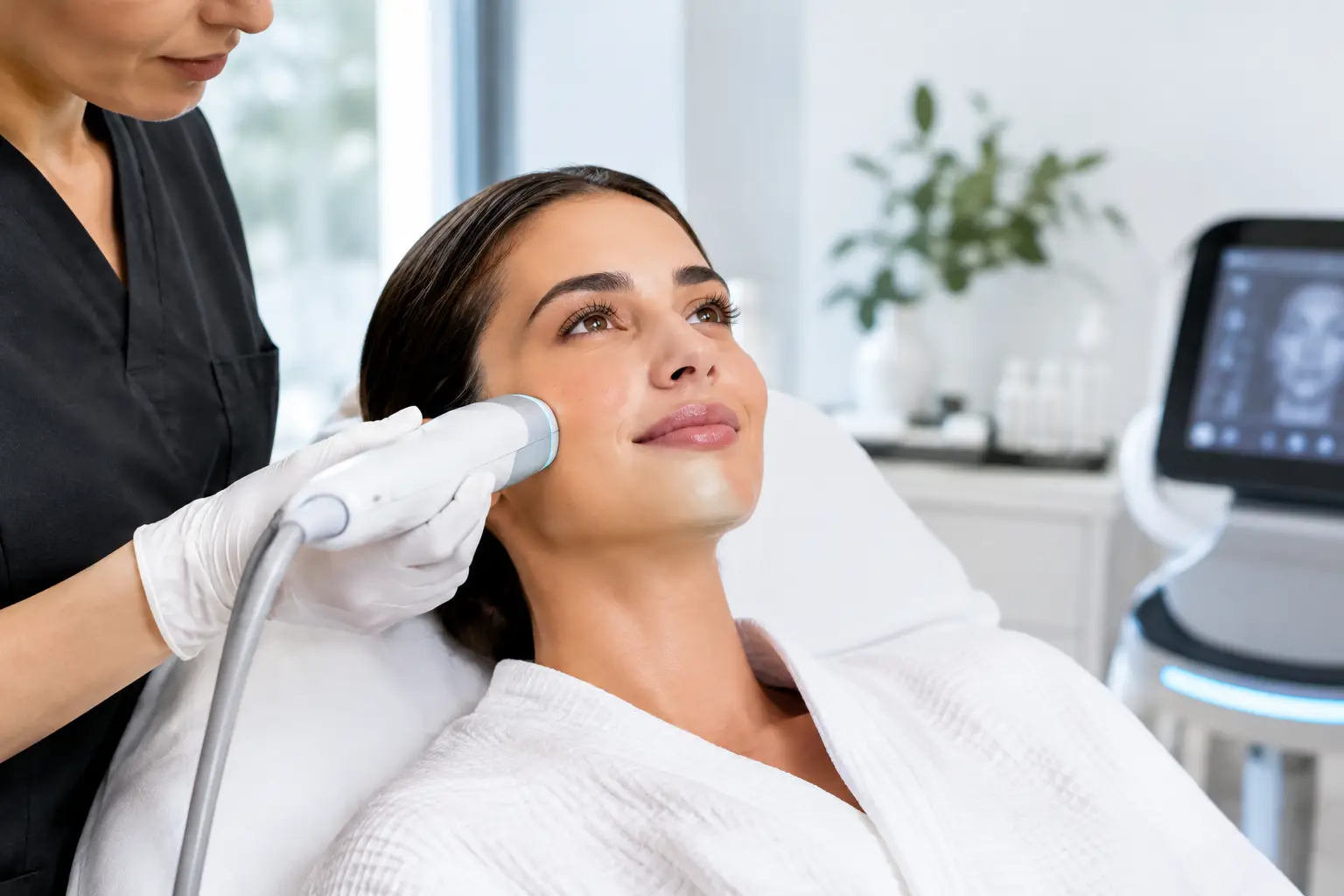
This is where advanced microneedling with PRP, RF microneedling, Hydra Dermabrasion facials, chemical peels, and plasma-based skin-tightening services can fit into a well-designed plan. These treatments work differently. RF microneedling is often selected when texture, scarring, and skin laxity are part of the concern. A Hydra Dermabrasion facial may be a better choice when the goal is refreshed, hydrated, clean-looking skin with little downtime. Peels can address surface-level concerns, but timing and post-treatment sun protection are essential, especially in Southwest Florida.
The trend is not that everyone should receive every treatment. Layering services only works when skin tolerance, season, skincare habits, and healing time are respected. Over-treating compromised skin can lead to irritation, prolonged redness, or disappointing results. Proper consultation and post-care are part of the treatment, not an optional extra.
Regenerative Treatments Will Be Chosen More Carefully
PRP continues to attract interest for skin rejuvenation and hair restoration because clients want options that support the body’s own repair processes. In the right setting, PRP can be a valuable part of a broader treatment plan. It is not a guaranteed replacement for every concern, and results vary based on age, health history, degree of hair thinning, skin condition, consistency, and provider technique.
Expect more clients to ask better questions in 2026: How many sessions are appropriate? What is the maintenance schedule? What kind of result is realistic for me? Those are the questions that lead to responsible care. A provider should be direct about candidacy and avoid promising a result that a treatment cannot reliably deliver.
Natural Facial Balancing Over Trend-Driven Features
The demand for natural-looking injectable results is not new, but it is becoming more specific. Clients increasingly want facial balancing that respects their own proportions rather than a copied look. That can mean softening lines with Botox, restoring carefully placed support with dermal filler, or considering biostimulators and Sculptra when gradual collagen support is a better fit.
The appropriate choice depends on anatomy and goals. Neuromodulators such as Botox address muscle movement. Fillers provide targeted volume or contour. Biostimulators work over time to encourage collagen production, which can be appealing for clients who want a subtler progression. PDO threads may be considered for select concerns, but candidacy, skin quality, degree of laxity, and expectations all matter.
A trend worth watching is the move away from treating one feature in isolation. A client asking about lines around the mouth, for example, may benefit from an assessment of overall facial support, skin texture, hydration, and expression patterns. Sometimes the best recommendation is treatment. Sometimes it is a more conservative plan or waiting until the timing is right.
Body and Wellness Care Become Part of the Conversation
Aesthetic care is increasingly connected to how clients feel, not only how they look. Body sculpting, hormone replacement therapy, peptide therapy, and hair restoration support reflect this broader interest in confidence, energy, body composition, and healthy aging.
These services require especially careful screening and medically appropriate guidance. No wellness treatment should be treated as a casual add-on or a substitute for individualized medical care. Hormone-related services, for example, should begin with a proper evaluation, a review of health history, and ongoing monitoring when indicated.
Body sculpting also benefits from realistic expectations. It may help refine an area that resists diet and exercise, but it is not a weight-loss solution. Clients tend to be happiest when they understand the treatment’s role, expected timeline, and maintenance requirements before scheduling.
Hair Restoration Moves Beyond One-Size-Fits-All Solutions
Hair concerns are deeply personal, and the 2026 approach will be more individualized. PRP hair restoration, scalp micropigmentation, and supportive treatment plans can each serve different needs. A client with early shedding, thinning at the hairline, diffuse volume loss, or more advanced loss will not necessarily be a candidate for the same solution.
Scalp micropigmentation can create the appearance of density or a more defined hairline, while PRP may be incorporated into a plan for eligible clients seeking support for hair health. The key is honest assessment. Hair restoration often requires a series of sessions, ongoing maintenance, and patience before changes are visible.
Clients should also be cautious about dramatic before-and-after claims. Lighting, styling, hair fibers, and image angles can make a difference in photographs. A consultation should focus on your baseline, your pattern of loss, and achievable improvement rather than someone else’s result.
Convenience Matters, but Credentials Matter More
One practical trend is the preference for a trusted destination that can address multiple beauty and medspa needs without sacrificing specialization. A client may schedule lashes, skin treatments, injectables, or hair services over time, but each procedure still requires its own consultation, sanitation standards, proper timing, and aftercare instructions.
Convenience should never mean rushing an appointment or skipping the details that protect your investment. Ask who performs the treatment, what training and credentials they hold, what product or technology is being used, and what recovery looks like. Be transparent about medications, allergies, recent procedures, skin sensitivity, and upcoming travel or events.
At Vintage Lashes and Beauty Services, that standard of precision is central to creating treatment plans that are polished, practical, and appropriate for the individual client. A strong result begins well before the procedure itself.
What to Ask Before Booking a 2026 Medspa Treatment
Before committing to a treatment, focus on the details that shape safety and satisfaction. Ask what concern the service is designed to address, whether you are a suitable candidate, how much downtime is likely, and what maintenance may be needed. It is also wise to ask what should be avoided before and after your appointment, particularly sun exposure, certain skincare ingredients, strenuous exercise, alcohol, and other procedures.
If you are planning around a wedding, vacation, holiday event, or seasonal return to Florida, give yourself more time than you think you need. Swelling, redness, peeling, or gradual collagen development can affect the ideal schedule. Last-minute treatments are not always the best treatments.
The right 2026 medspa plan should feel clear, not pressured. Choose services based on experienced assessment, proper technique, and a realistic path to results that still look like you.