
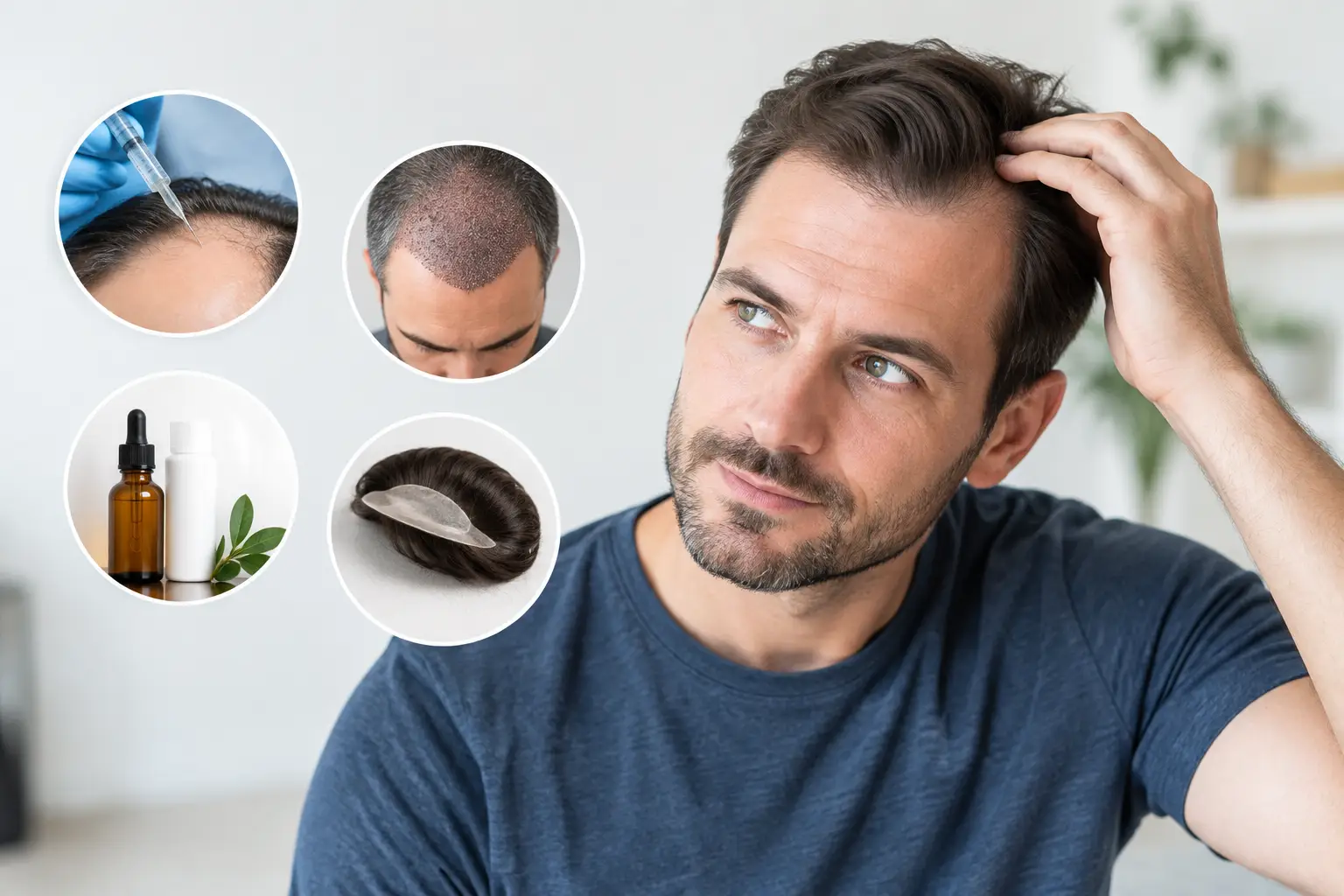
Hair Restoration Options for Thinning Hair
A widening part, more hair left in the shower, or a hairline that no longer frames the face the same way can change how you feel before you ever leave the house. Hair restoration is not a one-size-fits-all service. It begins with identifying the pattern, protecting the hair that is still present, and choosing support that fits your scalp health, goals, schedule, and medical history.
For clients in Naples and surrounding Southwest Florida communities, the best plan is usually not the fastest-sounding one. It is a consistent, professionally guided approach built around realistic expectations and treatments selected for the right reason.
What Hair Restoration Can Address
Hair thinning can look very different from one person to the next. Some clients notice diffuse shedding across the entire scalp. Others see thinning at the crown, recession around the temples, a widening center part, or reduced density after hormonal changes, stress, illness, weight loss, or a major life transition.
Aesthetic hair restoration services are designed to support the appearance and condition of thinning hair. Depending on the approach, treatment may help improve the environment around existing follicles, encourage healthier-looking growth, reduce the visibility of sparse areas, or create the appearance of greater density. The appropriate option depends on whether follicles are still active, how long thinning has been present, and what is driving it.
That distinction matters. Hair shedding can be temporary, while pattern thinning may be progressive. Scalp inflammation, nutritional concerns, medication changes, thyroid conditions, iron deficiency, autoimmune disease, and hormone shifts can also contribute. A qualified medical provider may recommend an evaluation or lab work before beginning a treatment plan, especially when shedding is sudden, severe, patchy, or paired with scalp discomfort.
PRP Hair Restoration: A Targeted Option
Platelet-rich plasma, commonly called PRP, is one of the most recognized non-surgical options for clients with early to moderate thinning. The treatment uses a small sample of your own blood. That sample is processed to concentrate platelets, then the PRP is carefully placed into targeted areas of the scalp.
Platelets contain growth factors that may support the follicular environment and normal tissue-repair processes. In hair restoration, PRP is intended to support existing follicles rather than create new follicles where none remain. This is why early intervention is often valuable. The goal is to support hairs that are becoming finer or less productive before an area becomes significantly bare.
A PRP appointment starts with a consultation and review of your health history. The scalp is assessed for thinning pattern, density, visible scalp, and any areas of concern. After the blood draw and processing step, the treatment area is prepared and injections are performed using precise placement techniques.
Most clients describe the sensation as brief pinching or pressure. Tenderness, mild swelling, or sensitivity can occur afterward and usually resolves quickly. Your provider will give clear aftercare instructions, including when to resume normal hair washing, workouts, scalp products, and other treatments.
What Results Can You Expect?
PRP does not produce an overnight change. Hair grows in cycles, and visible improvement takes time. Some clients first notice less shedding or improved hair quality, while others begin to see a fuller appearance as new growth progresses. Results vary based on the cause and extent of thinning, age, underlying health factors, consistency with the treatment schedule, and home care.
An initial series of appointments is commonly recommended, followed by maintenance visits. The exact schedule should be personalized, not copied from a generic plan. Hair restoration works best when progress is documented with consistent photos and honest follow-up conversations. A treatment that is helping should have a plan for maintaining gains. A treatment that is not producing appropriate progress should be reassessed.
When Scalp Micropigmentation May Be the Better Choice
Not every client is seeking biological hair growth, and not every scalp has enough active follicles to respond in the same way. Scalp micropigmentation is a cosmetic density solution that uses specialized pigment placement to reduce the contrast between hair and scalp.
For men with receding hairlines or closely cropped hair, it can create the look of a fuller buzz cut and more defined hairline. For women and men with longer hair, it can make a widening part or crown area appear less visible by creating the impression of shadow and density beneath existing strands.
Scalp micropigmentation does not treat the cause of hair loss or stimulate follicles. Its value is visual, immediate, and highly technique-dependent. Proper color selection, depth, spacing, hairline design, sanitation, and gradual layering are critical. A result should look natural in everyday light, not heavy, flat, or overly sharp.
This option may be considered on its own or alongside a PRP hair restoration plan. For example, PRP may support existing thinning hair while scalp micropigmentation helps reduce the appearance of exposed scalp during the gradual growth timeline. The right combination depends on your priorities and what is medically and cosmetically appropriate.
A Strong Plan Includes More Than the Appointment
Professional treatment is only one part of supporting thinning hair. The scalp and hair are exposed to daily stressors, including tight styles, frequent high heat, chemical processing, aggressive brushing, product buildup, and inconsistent nutrition. These habits do not cause every form of hair loss, but they can affect hair quality and make fragile strands more likely to break.
Your provider may recommend adjusting your hair routine while treatment is underway. That can mean choosing gentler cleansing practices, avoiding excessive traction, limiting unnecessary scalp irritation, and using products selected for your hair and scalp condition. Be cautious with online products that promise dramatic regrowth in days or weeks. Meaningful hair changes follow biology, not marketing timelines.
Consistency also protects your investment. Missed maintenance appointments, changing products constantly, or stopping a plan as soon as shedding improves can make it difficult to evaluate what is truly working. A clear treatment plan gives you a practical schedule, measurable checkpoints, and instructions you can follow between visits.
Questions to Ask Before Starting Hair Restoration
A reputable provider should be comfortable discussing both possibilities and limitations. Ask what type of thinning appears to be present, whether a medical evaluation is recommended, what the proposed treatment is intended to do, and how progress will be measured.
You should also understand the timeline, the recommended number of sessions, expected maintenance, possible side effects, and factors that could affect your outcome. If scalp micropigmentation is being considered, ask to see healed results across different skin tones and hair types. If PRP is being considered, ask whether you are an appropriate candidate based on your health history and current medications.
Avoid providers who guarantee a specific density or promise that every client will regrow hair. Experienced care is precise, transparent, and individualized. It should make room for referral when symptoms point to an underlying health concern rather than treating every case as a cosmetic issue.
Choosing Care You Can Stay Consistent With
Hair concerns are personal, but they do not have to be handled alone or hidden under temporary fixes. At Vintage Lashes and Beauty Services, hair restoration support is approached with the same attention to safety, sanitation, technique, and aftercare that clients expect from an established advanced beauty and medspa practice.
The most useful next step is a consultation that replaces guesswork with a clear plan. Whether PRP, scalp micropigmentation, home-care changes, medical follow-up, or a combination approach makes sense, the goal is to choose care that respects your timeline, protects your confidence, and gives your hair the attention it deserves.