
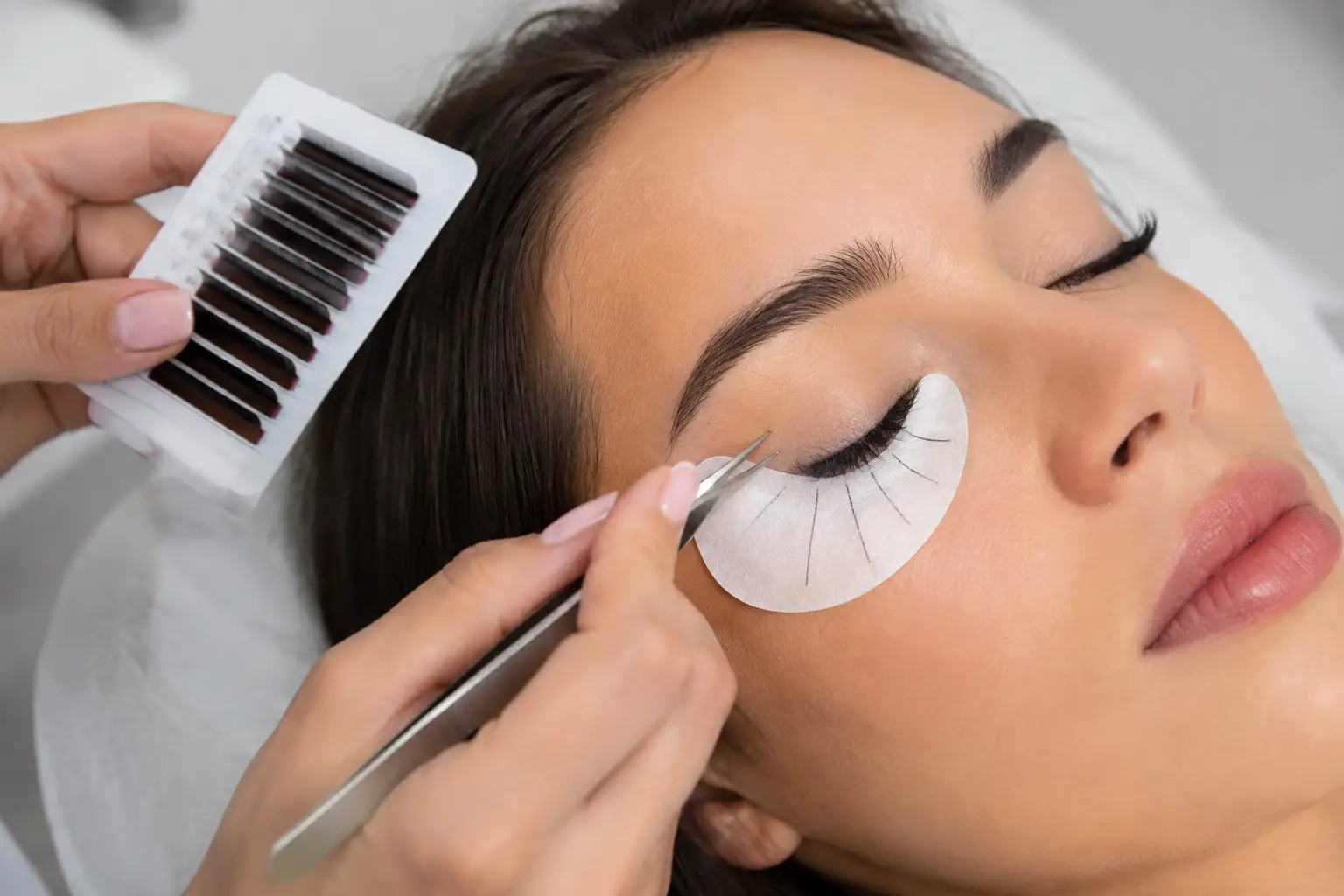
Lash Mapping Guide for Extensions That Fit You
A beautiful set of extensions should not look copied from the person in the chair before you. A thoughtful lash mapping guide gives your artist a plan for placing every length, curl, and dimension in a way that complements your eyes while respecting the health of your natural lashes. That is the difference between lashes that simply look dramatic and lashes that look polished, balanced, and intentionally designed for you.
At Vintage Lashes and Beauty Services, mapping is part of the technical work behind every custom set. It is not a quick sketch or a trendy style name. It is a visual blueprint that guides precision application from the inner corner to the outer corner, with your facial features, lifestyle, and natural lash condition in mind.
What a Lash Mapping Guide Actually Does
A lash map divides the lash line into sections and assigns a planned length, curl, and styling direction to each one. Rather than applying the same lash length across the eye, the artist creates a controlled progression. The shortest extensions generally sit near the inner corner, then transition through the center and outer eye according to the desired effect.
The map helps create symmetry, but symmetry does not always mean making both eyes look identical. Most faces have natural differences in eye height, lid space, brow position, or lash density. A skilled artist recognizes those details and adjusts the design to create visual balance. The goal is to enhance the overall appearance, not force every client into a rigid pattern.
Mapping also protects the integrity of the work. When lengths and curls are planned in advance, the artist can select extensions that are appropriate for each natural lash. This is especially important with volume sets, where fan weight, diameter, and placement must be carefully controlled. A full result should still feel comfortable and allow the natural lashes to complete their normal growth cycle.
The Details That Shape Your Lash Map
Eye shape is a starting point, not the only factor. Almond, round, hooded, deep-set, upturned, and downturned eyes can all be styled in several ways. The best choice depends on how the eyes sit within the face, how much lid space is visible, and what result you want when looking straight ahead.
A client with hooded lids, for example, may benefit from a curl and peak placement that keeps the eye looking open once the lid is relaxed. A style that appears lifted when the eyes are closed can disappear beneath a heavier lid when the client is upright. For deep-set eyes, a carefully selected curl can bring definition forward without using excessive length. For downturned outer corners, extending the longest lengths too far outward may emphasize the downward angle instead of lifting it.
Natural lash health is equally important. Some clients have strong, dense natural lashes that can support a fuller volume design. Others have finer lashes, sparse areas, or lashes recovering from prior damage. In those cases, an experienced artist may use lighter extensions, shorter lengths, or a softer density to avoid unnecessary stress. More is not always better. A well-designed classic or light volume set can look more luxurious than an overly heavy set that does not wear well.
Your daily routine also belongs in the consultation. If you wear glasses, use a CPAP mask, exercise frequently, sleep on your side, or prefer minimal makeup, those details can affect the practical design. Longer extensions may brush against lenses. Very dramatic curls may not suit every professional setting. A map should support how you live, not create a maintenance problem you did not anticipate.
Common Lash Styles and When They Work
Style names are useful for communicating inspiration, but they should never replace a custom assessment. A natural map uses gradual length changes and soft texture to create a refined, mascara-like effect. It is often an excellent choice for first-time extension clients, busy professionals, and anyone who wants noticeable definition without a bold strip-lash appearance.
A doll or open-eye map places more length through the center of the eye. This can create a bright, rounded look and is often chosen when the goal is to make the eyes appear more open. It is not the right answer for every eye shape, however. On naturally round eyes, too much center length may make the eyes look overly surprised rather than balanced.
A cat-eye map builds length toward the outer third of the lash line. When placed correctly, it can create an elegant, elongated effect. When the longest lengths are pushed too far into a weak outer corner, the result may droop or feel disconnected from the eye. Many clients benefit from a softened version, where the peak sits slightly before the outermost lashes and tapers down gently at the edge.
A squirrel or lifted map typically moves the peak upward before the outer corner, then tapers it down. This approach can add lift and structure without pulling the eye outward too heavily. It is often a strong option for clients who want an elevated, editorial look with better balance than a traditional cat eye.
Wispy and textured sets use intentional variation in length to create dimension. These can be beautiful, especially with Russian volume techniques, but texture still needs structure. Spikes should be placed where they support the map, not scattered randomly. The result should look airy and customized, not uneven.
Curl, Length, and Volume Must Work Together
Clients often request the longest lashes or the darkest volume possible, but technical artistry requires more consideration. Length must be selected according to the strength and direction of the natural lash. Extensions that are too long or heavy can twist, droop, shed prematurely, or place strain on the natural lash.
Curl selection changes the visual result just as much as length. A softer curl can create a subtle, elegant finish, while a stronger curl can provide more lift and visibility. The strongest curl is not automatically the most flattering. If an extension curl does not pair well with the natural lash direction, retention and attachment quality can suffer.
Volume is about controlled density, not simply adding more fans. With 2D-6D Russian volume application, fan size and diameter are chosen to create fullness without overloading individual lashes. A darker lash line may be appropriate for a client who loves polished makeup, while a lighter, more airy volume design may better suit someone who wants softness. The correct map gives the artist a framework for distributing that density where it has the most impact.
Why a Consultation Matters Before Application
Photos can be helpful references, but they do not show the full picture. Lighting, filters, eye position, and makeup can change how a style appears online. During a professional consultation, your artist should examine your natural lashes, ask about previous extensions or sensitivities, and discuss the level of maintenance you are comfortable with.
Be clear about what you like and what you do not like. If you dislike a heavy outer corner, want a softer appearance, or need lashes that work under glasses, say so before the service begins. A precise consultation prevents disappointment and gives the artist the information needed to create a map that fits your expectations.
This is also the time to discuss realistic limitations. If your natural lashes are short, fine, or sparse, the artist may recommend a design that prioritizes lash health over extreme length. That recommendation is not a compromise in quality. It is a professional decision made to protect your natural lashes and improve the longevity of your extensions.
Your Map Can Change at Every Fill
Lash mapping is not permanent. Your natural lash cycle changes, seasonal shedding can affect density, and your style preferences may evolve. A map that worked beautifully three months ago may need adjustment if you are experiencing retention changes, have altered your skincare routine, or want a more refined look for a new season.
Regular fills are the right time to reassess the design. Arrive with clean lashes, avoid oil-based products around the eye area, and let your artist know if you have had irritation, unusual shedding, or changes in medication. Proper aftercare and timely maintenance protect both the appearance of the set and the health of your natural lashes.
The best lash map is not the trendiest one on social media. It is the one that makes your eyes look rested, balanced, and beautifully defined while allowing your natural lashes to remain healthy. When the planning is precise, the finished set should feel like it was made for your face because it was.