
Do Lash Extensions Damage Lashes? The Real Answer
A healthy lash extension set should enhance your natural lashes, not compromise them. So, do lash extensions damage lashes? Not when they are selected, isolated, and applied correctly by a trained lash artist. Damage is not an inevitable part of wearing extensions. It is usually the result of poor technique, improper weight, skipped maintenance, or removing extensions the wrong way.
For clients who invest in polished, reliable beauty maintenance, the distinction matters. Beautiful lashes should still leave you with healthy natural lashes underneath – and the quality of the application is where that outcome begins.
Do Lash Extensions Damage Lashes When Applied Correctly?
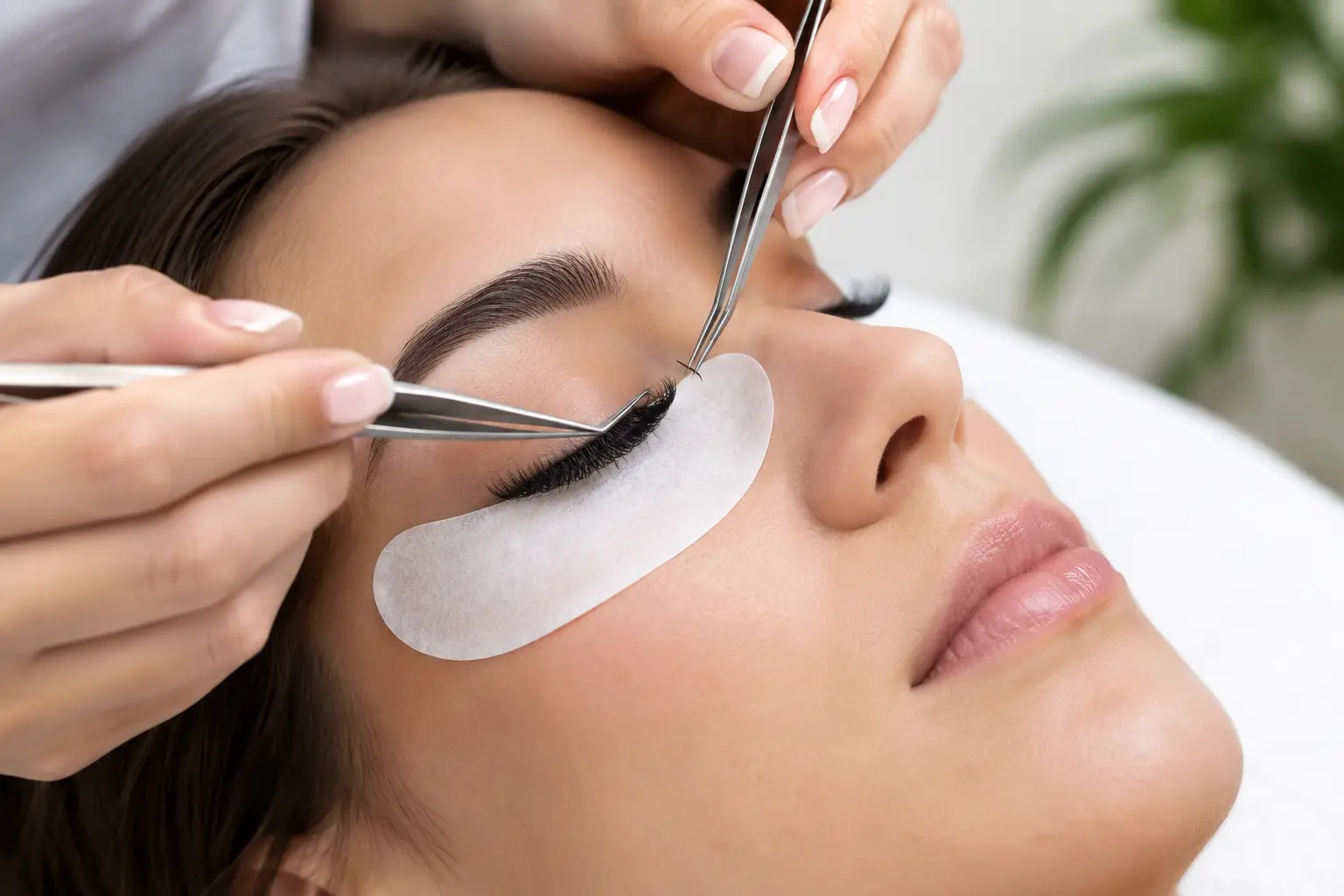
Properly applied lash extensions do not damage natural lashes. Each extension or handmade volume fan should be attached to one mature natural lash, with a very small amount of professional adhesive and a safe distance from the eyelid. The extension must also be appropriately sized for the strength and length of that individual natural lash.
Your natural lashes follow a normal growth cycle. They grow, rest, shed, and are replaced. Most people naturally lose several lashes each day, whether they wear extensions or not. Because extensions make each shedding lash more noticeable, clients can mistakenly believe the extensions caused the loss.
A skilled artist accounts for the fact that not every natural lash can safely support the same extension. Fine, newly emerging lashes should not carry the weight of a long, dramatic extension. Mature lashes may safely support more, but even then, the design must respect the client’s natural lash health. This is especially relevant with volume lashes, where the finished fan may look full while remaining extremely lightweight.
At Vintage Lashes and Beauty Services, proper isolation, controlled adhesive use, sanitation, and customized lash mapping are not optional details. They are the foundation of a safe service.
What Actually Causes Lash Extension Damage?
When clients experience thinning, breakage, tenderness, or lashes that appear shorter after extensions, there is usually a specific reason. Sometimes it is the application itself. Other times, it is a maintenance or removal issue that gradually puts stress on the natural lashes.
Extensions That Are Too Heavy
The most common technical concern is excessive weight. An extension that is too long, thick, or dense for the natural lash can pull on it throughout the growth cycle. Over time, that repeated strain may cause premature shedding or breakage.
More dramatic is not automatically better. The best lash set is one that creates the level of fullness and definition you want while staying within what your natural lashes can comfortably support. A refined classic set, a soft hybrid look, or a properly constructed Russian volume set can all be beautiful when the weight is customized correctly.
Poor Isolation
Every extension should be attached to one natural lash only. If multiple natural lashes are glued together, they cannot move and shed independently. That can create pulling, discomfort, and damage as lashes at different stages of growth try to separate.
Poor isolation is a technique issue, not something a client should have to tolerate. Your extensions should feel comfortable. Persistent tightness, pinching, or a pulling sensation is a reason to contact your lash artist promptly.
Adhesive Placed Too Close to the Skin
Lash extensions should not sit on the eyelid or irritate the lash line. Correct placement leaves a small, safe gap between the extension and the skin. When adhesive is applied too close to the lid, it may cause discomfort and make cleansing more difficult.
Sensitivity or an allergy can also occur, even with a technically correct application. Signs such as swelling, significant redness, itching, or burning should be taken seriously. Do not try to cover the issue with makeup or wait through worsening symptoms. Contact your provider and seek appropriate medical guidance if symptoms are severe.
Rubbing, Pulling, and Picking
Extensions are designed to shed with the natural lash. Pulling them off before that lash is ready can remove or break the natural lash attached to it. Picking is particularly damaging because it is rarely limited to one extension. It can lead to uneven gaps, weakened lashes, and an irritated lash line.
If you are ready for a break, need a correction, or have experienced unusual retention, schedule a professional removal. This is the safest way to take extensions off without turning a maintenance concern into lash damage.
Going Too Long Between Fills
As your natural lashes grow, extensions move farther away from the lash line. Waiting too long for a fill can leave outgrown extensions more prone to twisting, catching, or feeling heavy. Regular fills allow your artist to remove grown-out lashes, replace shed extensions, and evaluate the condition of your natural lashes.
For many clients, a fill appointment every two to three weeks keeps the set balanced and comfortable. Timing can vary based on your natural shedding cycle, skin type, lifestyle, and the look you prefer.
How to Protect Your Natural Lashes Between Appointments
Aftercare is part of the service, not an extra step. Clean lashes retain better, look better, and are easier to assess at your fill appointment. Makeup, natural oils, sunscreen, and debris can collect along the lash line, which can affect retention and create an unhealthy environment around the follicles.
Cleanse your extensions consistently with a lash-safe cleanser and rinse thoroughly. Gently brush them when dry using a clean spoolie. Avoid oil-heavy products directly around the eyes, and do not use waterproof mascara on extensions. Waterproof formulas are difficult to remove and often lead to rubbing and tugging.
You should also be mindful of how you sleep. Side and stomach sleeping can bend extensions against a pillow, especially with longer styles. A silk or satin pillowcase may reduce friction, though it does not replace proper application and maintenance.
If you use prescription eye drops, have seasonal allergies, swim frequently, attend hot yoga, or have a skincare routine that includes strong exfoliating products around the eye area, tell your artist. These factors do not automatically rule out lash extensions, but they may affect retention, cleansing needs, or the best style for you.
How to Tell Whether Your Extensions Are Too Much for Your Lashes
A full lash look should not feel painful, heavy, or difficult to wear. Your natural lashes may be finer in some areas than others, and a responsible artist will adjust the design rather than force uniform length or density across every section of the eye.
Pay attention to these signs between appointments:
- Your lash line feels sore, tight, itchy, or tender after the initial application period.
- Extensions twist repeatedly, catch on one another, or feel as though they are pulling.
- You notice clusters of natural lashes attached together or extensions sitting directly on the skin.
- Your natural lashes appear broken rather than simply shed with the normal cycle.
- You feel compelled to pick or pull because the set is uncomfortable or poorly maintained.
One shed lash with an extension attached is normal. Noticeable bare patches, persistent discomfort, or sudden thinning is not something to ignore. A reputable artist should be willing to examine the set, explain what they see, and recommend a correction, a lighter design, or a temporary break when appropriate.
Choosing a Lash Artist Is a Lash Health Decision
Lash extensions are not a one-size-fits-all beauty service. The adhesive, lash diameter, curl, length, fan construction, isolation, styling, and fill schedule all influence the final result. Certification and experience matter because the work happens millimeters from the eye and must be performed with consistent control.
Before booking, look beyond before-and-after photos. Ask how the artist chooses extension weight, whether the service includes isolated application, how removals are handled, and what aftercare is expected. A professional should set clear expectations about arriving with clean lashes, returning for fills on schedule, and contacting the studio if you experience discomfort.
The goal is not simply a fuller lash line on the day of your appointment. It is a repeatable beauty routine that preserves the natural lashes you depend on. Choose a style that fits your lash health, follow your aftercare, and let comfort be part of your definition of beautiful.