
How Long Is VI Peel Downtime and What Happens?
A VI Peel can be an excellent choice when your skin needs more than a surface-level refresh, but the recovery should be planned with the same care as the treatment itself. VI Peel downtime is usually manageable, yet visible peeling can affect how comfortable you feel at work, social events, on the beach, or in front of a camera. Knowing the likely timeline helps you protect your results instead of trying to hide or rush the process.
How Long Does VI Peel Downtime Last?
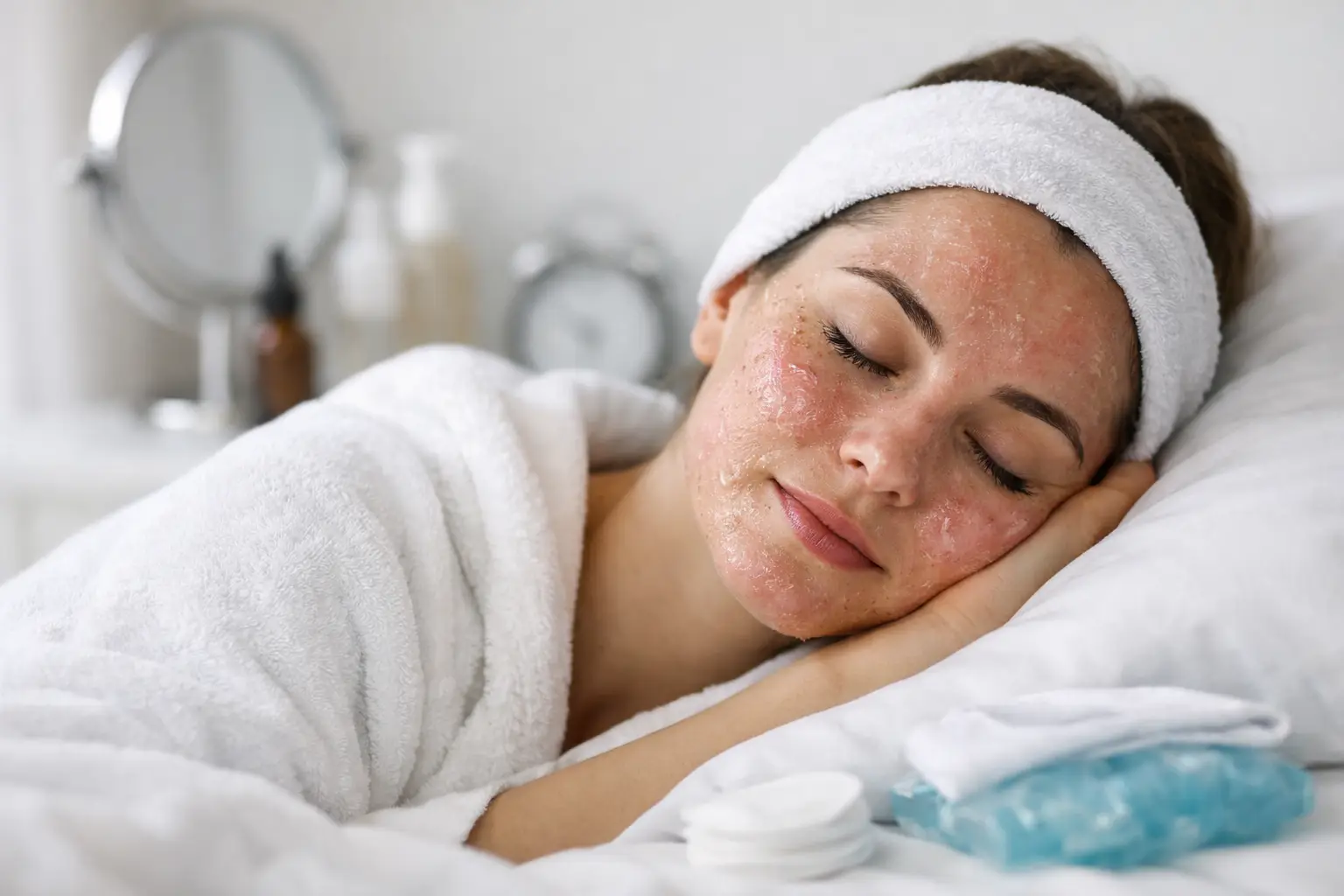
Most clients experience about five to seven days of active recovery, with the most noticeable flaking often occurring between days three and five. Some people have light, powdery peeling that is easy to manage. Others shed more visibly around the mouth, nose, chin, and forehead. Your skin type, the condition being treated, the specific VI Peel formula selected, and how closely you follow aftercare all influence what your recovery looks like.
The treatment itself is efficient, but the resurfacing process continues after you leave the appointment. A VI Peel is designed to encourage controlled exfoliation and skin renewal. That means the goal is not simply to peel dramatically. The goal is healthier-looking, clearer, smoother skin once the recovery period is complete.
For most clients, skin looks presentable again within a week. However, if you are planning a wedding, a major presentation, professional photos, or a vacation where you expect to be in direct sun, give yourself 10 to 14 days of space whenever possible. This allows time for peeling to finish and for any temporary pinkness or dryness to settle.
VI Peel Downtime Day by Day
Day 1: Tightness, warmth, and a polished look
Immediately after treatment, skin may look slightly shiny, bronzed, or flushed. Some clients describe a mild warm or tight feeling, similar to being in the sun longer than intended. Others have very little visible reaction on the first day.
Your provider will give you precise instructions for when to cleanse and which products to use. Follow those directions rather than substituting your usual active skincare products. Retinoids, exfoliating acids, scrubs, benzoyl peroxide, and strong vitamin C formulas can interfere with a controlled recovery and may create unnecessary irritation.
Days 2 and 3: Peeling begins
Peeling commonly starts around the mouth and lower face, then may move to the cheeks, forehead, and nose. It can resemble fine flaking at first before becoming more noticeable. This is when many clients realize why scheduling matters.
Do not pull, rub, scrub, or use a washcloth to remove loose skin. Picking can lead to irritation, prolonged redness, uneven healing, and in some cases post-inflammatory discoloration. Let the skin release naturally. Apply only the approved aftercare products and use clean hands when touching your face.
Days 4 and 5: The most visible phase
For many people, this is the peak peeling window. Makeup may catch on dry areas and make flakes more apparent, which is why it is often better to keep your complexion simple. If you must wear makeup for work or an event, ask your provider when it is appropriate for your individual treatment and use a clean application method.
It is also wise to avoid activities that cause heavy sweating or excessive heat while skin is actively irritated or shedding. Intense workouts, hot yoga, saunas, steam rooms, and prolonged hot showers can make the skin feel more reactive. Your exact restriction period depends on your provider’s protocol and the condition of your skin.
Days 6 and 7: Smoother skin emerges
By the end of the first week, most active peeling has finished. Skin often feels smoother and looks brighter, although some dryness, light pinkness, or sensitivity may remain. Resist the urge to restart every product in your bathroom cabinet immediately.
Your provider may recommend a gradual return to your regular regimen. That matters, particularly if you use prescription acne products, retinoids, acids, or pigment-correcting treatments. Well-timed reintroduction protects the skin barrier and supports a more even result.
What Affects Your Recovery?
No two VI Peel recoveries are identical. A client treating mild dullness and texture may have a different experience than someone addressing acne, sun damage, melasma, or deeper discoloration. Skin that is dehydrated, sensitized from home exfoliation, or recently exposed to significant sun can also respond differently.
The formula and treatment plan matter as well. A qualified provider does not select a peel solely because it is popular. They assess your concerns, current skincare, recent procedures, skin tone, and lifestyle before recommending a protocol. This is especially important for clients prone to hyperpigmentation, because improper preparation or aftercare can compromise the clarity they are trying to achieve.
In Southwest Florida, sun exposure is one of the biggest practical considerations. A short drive, outdoor lunch, tennis match, or time on the water can add up quickly. During recovery, avoid direct sun as instructed, wear the recommended broad-spectrum sunscreen once approved, and use a hat or physical shade when outdoors. A peel can improve the appearance of sun-related skin concerns, but only consistent protection helps preserve that investment.
How to Make VI Peel Downtime Easier
The best recovery plan is simple and disciplined. Keep your skin clean according to your instructions, use the designated aftercare products, and do not experiment with new treatments while peeling. Your provider may supply a post-peel kit or recommend specific products because the skin needs support, not additional stimulation.
Plan your calendar before treatment. If possible, schedule your peel when you can work remotely, limit social commitments, and avoid prolonged outdoor activities for several days. A Friday appointment can work well for some clients, but it may place the heaviest peeling on a weekend. If you have important plans the following week, schedule farther ahead.
Do not book facial waxing, dermaplaning, aggressive facials, or another exfoliating treatment during the recovery period unless your provider specifically clears it. The same caution applies to at-home devices and strong masks. More is not better when the skin is in a renewal phase.
Hydration also deserves attention. Drink water consistently, avoid over-cleansing, and do not mistake dryness for a reason to exfoliate. The visible shedding is temporary. Supporting the barrier allows the process to finish more comfortably.
When to Contact Your Provider
Expected peeling, tightness, mild redness, and temporary dryness are different from severe discomfort. Contact your provider promptly if you develop significant swelling, blistering, increasing pain, hives, drainage, or a reaction that feels outside the instructions you were given. Do not attempt to treat a concerning reaction with random home remedies or leftover prescription products.
Before your appointment, disclose all medications, skincare products, allergies, recent procedures, and history of cold sores if relevant. This level of detail helps your practitioner determine whether a VI Peel is appropriate now or whether your skin would benefit from preparation first. At Vintage Lashes and Beauty Services, treatment planning is based on skin condition and safety, not a one-size-fits-all schedule.
A well-planned peel should fit your life, not disrupt it unnecessarily. Give your skin the quiet recovery time it needs, protect it from Florida sun, and let the peeling happen naturally. The few days of patience are part of the treatment, and they are often what make the final glow worth it.