
VI Peel Review for Results, Peeling, and Downtime
A useful vi peel review should tell you more than whether someone peeled dramatically on day three. The real questions are whether the peel matched their skin concern, how their skin was prepared, how carefully they followed aftercare, and whether their provider set realistic expectations. For clients who want brighter tone, smoother texture, or support for visible discoloration and breakouts, the VI Peel can be a highly effective skin-rejuvenation treatment when it is selected and performed appropriately.
At Vintage Lashes and Beauty Services, treatment planning begins with the condition of your skin, not a one-size-fits-all promise. A peel can create a noticeable reset, but the best outcome comes from the right formula, proper timing, sun protection, and a professional plan for what comes next.
What a VI Peel Is Designed to Do
VI Peel is a professional chemical peel system designed to exfoliate damaged surface skin and encourage cellular renewal. Depending on the selected formulation and your individual treatment plan, it may target dullness, uneven tone, visible sun damage, rough texture, fine lines, acne-prone skin, and the appearance of post-breakout marks.
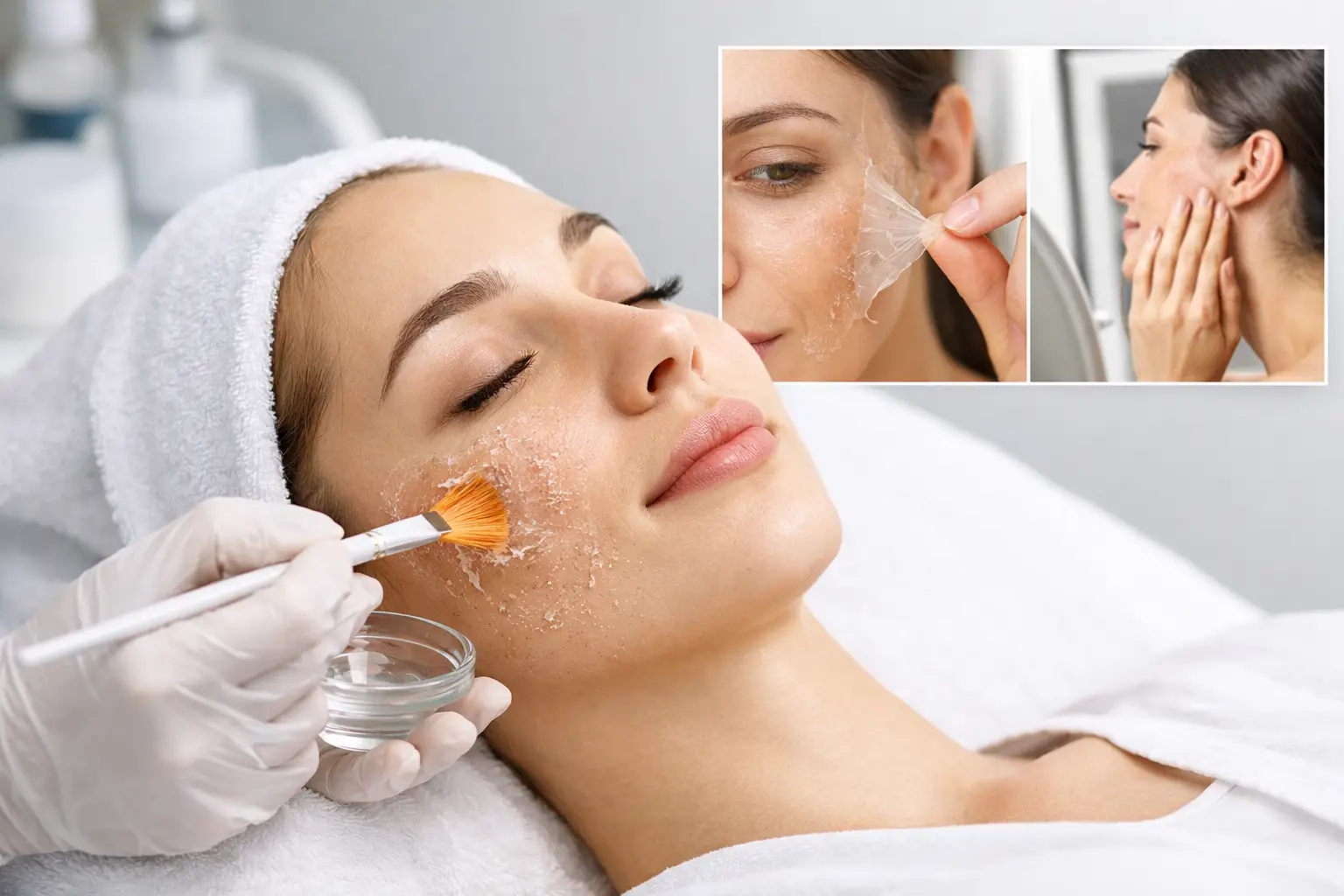
The treatment is not a facial with a little extra tingle. It is a controlled resurfacing service. The solution is applied in layers, and the skin responds over the following days with tightening, flaking, or visible peeling. That process is part of the treatment, but it is not the only measure of success. Some clients peel in sheets, while others experience finer flaking and still see improvement in brightness and smoothness.
A qualified provider will consider your skin type, sensitivity, current products, recent procedures, history of pigmentation concerns, and upcoming social calendar before recommending a peel. This matters especially in Southwest Florida, where sun exposure can quickly compromise both healing and results.
VI Peel Review: What the Appointment Feels Like
Most appointments are straightforward and efficient, but preparation matters. Your provider will cleanse and assess the skin, confirm that there are no contraindications, and apply the chosen peel solution in controlled passes. Clients often describe a warm, prickly, or mildly stinging sensation during application. For many, this sensation is brief and manageable.
The skin may look shiny, slightly red, or deeper in color immediately afterward. You will leave with clear instructions on when to wash, what products to use, and what to avoid. Do not add extra exfoliants, retinoids, acids, scrubs, or active acne products because you think your skin needs help peeling. Over-treating freshly resurfaced skin can lead to unnecessary irritation and uneven healing.
The procedure itself is only one part of the service. The quality of your consultation, sanitation standards, product selection, and aftercare guidance all affect the experience. A professional provider should be direct about what is appropriate for your skin and when another treatment may be the better choice.
The Day-by-Day Peeling Timeline
Peeling commonly begins around day two or three, though timing and intensity vary. The mouth, nose, and chin often peel first, followed by the cheeks and forehead. By days four through six, many clients are through the most visible portion of the process. Mild dryness or fine flaking can continue afterward.
Plan for several days in which your complexion may not look polished enough for an important event, photos, or a beach weekend. You can usually continue normal daily activities, but this is not a treatment to schedule immediately before a wedding, vacation, or major professional appearance. Give yourself breathing room rather than trying to conceal active peeling with heavy makeup.
One rule deserves emphasis: never pull, pick, scrub, or manually remove peeling skin. It can be tempting, especially when flakes collect around the mouth. Let the skin release naturally. Keep it hydrated with the approved aftercare products, cleanse gently as directed, and protect it from heat and direct sun.
Results: What You Can Realistically Expect
After the peeling phase resolves, skin often looks brighter, smoother, and more even. Makeup may apply more evenly, pores can appear more refined, and congested or breakout-prone skin may look calmer. Clients treating visible discoloration often appreciate a more balanced overall tone, although stubborn pigment typically requires a series of treatments and disciplined sun protection.
A single peel can be valuable before a special season or as a reset for lackluster skin. However, deeper textural concerns, long-standing acne scarring, pronounced laxity, or more advanced signs of aging may respond better to a broader plan that can include microneedling, RF microneedling, or other professionally selected services. A VI Peel is powerful, but it is not a replacement for every resurfacing treatment.
Results also depend on what happens between appointments. Daily broad-spectrum sunscreen, appropriate home care, and avoiding unnecessary sun exposure protect the investment you have made in your skin. In Naples and nearby coastal communities, this is not optional aftercare. UV exposure can contribute to new discoloration and undermine the clarity you are working toward.
Who May Be a Good Candidate
VI Peel may be a strong option for adults who want a professionally guided treatment for dullness, uneven texture, mild to moderate breakouts, visible post-acne marks, or early signs of photoaging. It can also fit clients who prefer defined downtime over a more gradual treatment path.
That said, not every client should receive a peel on the day of consultation. Active skin infections, open lesions, significant irritation, recent waxing or aggressive exfoliation, certain medications, pregnancy or nursing status, and a history of abnormal scarring may require postponement or medical clearance. Be completely transparent during your health history review. A responsible treatment decision protects your skin better than rushing into an appointment.
If you are using prescription acne medication, retinoids, pigment-correcting products, or have recently had injectables, laser services, or another chemical peel, ask about safe spacing. Timing is individualized. More treatment is not always better treatment.
How to Prepare and Protect Your Results
For the week before treatment, follow the preparation instructions provided by your practitioner. In many cases, that means pausing exfoliating acids, scrubs, retinoids, and hair removal methods that may sensitize the treatment area. Arrive with clean skin when requested and let your provider know about any changes in medications, recent tanning, or irritation.
After your peel, keep your routine intentionally simple. Use only the recommended cleanser, moisturizer, and post-peel products. Avoid steam rooms, saunas, intense heat, strenuous exercise if instructed, facial waxing, and direct sun during the early healing period. Once your provider clears you to resume your normal routine, reintroduce active products slowly rather than applying everything at once.
A thoughtful VI Peel review is not just about the immediate glow. It is about whether the treatment was performed with precision, whether the downtime fit your life, and whether your skin was supported before and after the appointment. The right plan should leave you feeling informed, not pressured.
If you are considering a VI Peel, schedule it when you can respect the recovery window and commit to aftercare. Clearer, healthier-looking skin is built through skilled treatment decisions and consistent protection long after the last flake has disappeared.