
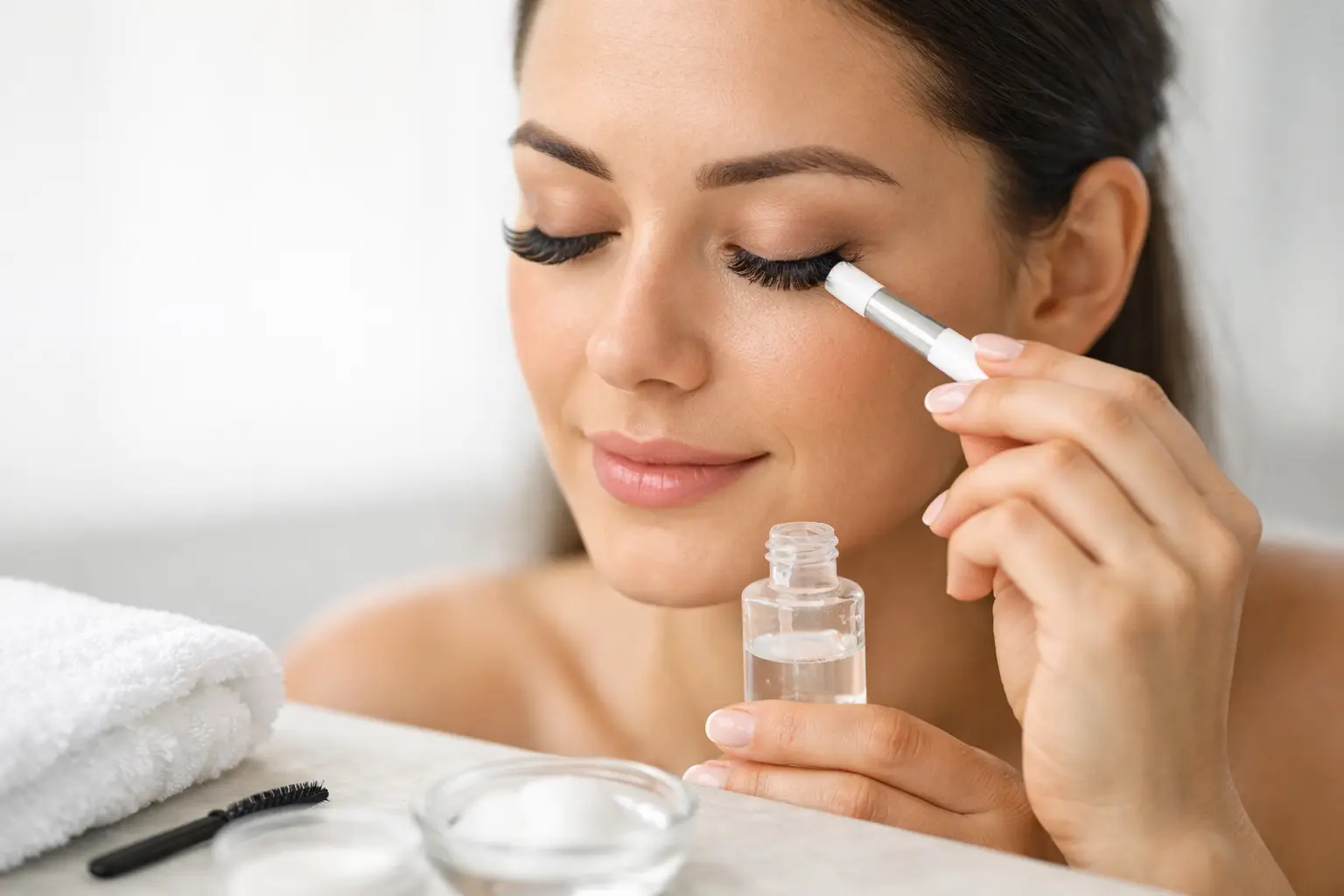
How to Clean Eyelash Extensions Right
That slight stiffness at the lash line, the urge to pick away mascara residue, the fear of getting extensions wet too soon – this is where many clients start making lashes harder to maintain than they need to be. Knowing how to clean eyelash extensions properly is not extra credit. It is part of protecting retention, keeping the eye area sanitary, and making sure your fills stay focused on replacing natural shed instead of correcting preventable buildup.
Clean extensions last better, look fluffier, and feel more comfortable. Dirty lashes tend to twist, clump, and trap oil, makeup, dead skin, and environmental debris along the lash line. That buildup does not just affect appearance. It can also interfere with adhesive performance over time and create an unhealthy environment around the eyes.
Why cleaning lash extensions matters
A common mistake is assuming eyelash extensions should be touched as little as possible. In reality, neglect is often more damaging than careful cleansing. The lash line naturally collects oil from the skin, tears, skincare transfer, pollen, dust, and makeup residue. If that material sits on the extensions day after day, retention can suffer and the lashes can start looking sparse well before your next appointment.
There is also a comfort factor. Clients who do not cleanse regularly often notice itching, heaviness, or a filmy feeling near the base of the lashes. Clean lashes move better, separate better, and photograph better. For clients investing in premium lash work, proper aftercare protects both the look and the health of the natural lashes underneath.
How to clean eyelash extensions step by step
The right routine is simple, but technique matters. You do not need aggressive scrubbing, long ingredient lists, or a complicated regimen. You need a lash-safe cleanser, clean water, and a gentle hand.
Start with clean hands and a makeup-free eye area
Before touching your lashes, wash your hands thoroughly. If you are wearing eye makeup, remove liner, shadow, or concealer carefully without dragging product into the lash line. Heavy cotton pads and oily removers can leave residue behind, so the goal is to loosen makeup around the area while keeping the extensions themselves free of film.
If you wear a lot of eye makeup, your cleansing routine may need to be a little more thorough than someone who wears none. That is one of the main trade-offs with extensions. The more products used around the eyes, the more disciplined aftercare needs to be.
Use a cleanser made for lash extensions
Choose a cleanser specifically formulated for extensions or one that is oil-free and appropriate for the eye area. A lash shampoo or foam cleanser is usually the easiest format because it spreads evenly and rinses cleanly. Oil-heavy cleansers can weaken retention, especially if they are used repeatedly at the base of the extensions.
This is where product choice matters. A gentle face wash is not automatically a lash cleanser. If it leaves behind conditioners, oils, or creamy residue, it may not be the best fit for extension maintenance.
Apply gently along the lash line
Use a clean lint-free applicator, a soft lash cleansing brush, or clean fingertips if recommended by your lash artist. Work the cleanser through the lashes with light downward and side-to-side motions. Focus especially at the base, because that is where buildup collects.
Do not scrub back and forth aggressively, and do not mash the lashes into the skin. Extensions are durable when they are applied correctly, but they still need respectful handling. Precision matters more than pressure.
Rinse completely
Rinse with lukewarm water until the cleanser is fully removed. Incomplete rinsing can leave residue at the lash line, which defeats the purpose of cleaning. Let the water flow gently over the eye area rather than blasting the lashes directly with a high-pressure stream.
If you are cleaning at the sink, cup water in your hands and bring it to the eyes. In the shower, keep water pressure moderate and avoid standing directly under a hard spray.
Dry the lashes the right way
Pat the area dry with a clean, lint-free towel or let the lashes air dry partially. Do not rub. Once the extensions are damp rather than soaking wet, use a clean spoolie to brush through them gently. Brush from the mid-length to the tips first, then lightly shape near the base if needed.
This step helps restore separation and keeps fans from drying in odd directions. A small handheld fan can help speed drying, especially in humid climates.
How often should you clean eyelash extensions?
For most clients, once daily is ideal. If you wear eye makeup, exercise regularly, have oilier skin, spend time outdoors, or use heavier skincare around the eyes, daily cleansing becomes even more important. If you do not wear makeup and have a lighter routine, you still should not go days without cleaning the lash line.
Some people worry that frequent washing will cause extensions to fall out faster. Usually, the opposite is true when proper products and technique are used. Gentle cleansing removes the oil and debris that can compromise retention. What shortens retention is often poor aftercare, not water itself.
What to avoid when cleaning extensions
A few habits consistently create problems. Oil-based removers are a common one, especially around the eye area. Cotton rounds and fluffy towels can snag lashes. Micellar water can be fine in some cases, but if it contains oils or leaves a film, it may not be ideal for daily extension care.
Waterproof mascara is another issue. Most extension wearers do not need it, and removing it usually requires too much friction. Steam, heavy face creams near the eyes, and sleeping without cleansing after a full day of makeup can also work against retention.
There is also the picking problem. Once debris hardens near the base, clients often try to remove it with their nails. That can pull out natural lashes, damage extension fans, and create uneven gaps. If something is stuck, cleanse first and loosen it properly.
Signs your lashes are not being cleaned well enough
Sometimes clients think they are cleaning their extensions, but not effectively. If your lashes look dull, stick together after drying, feel itchy, or develop visible residue near the base, your routine likely needs adjustment. Another clue is when fills take longer because the lash artist has to clean away heavy buildup before working.
A well-maintained set should look light, defined, and reasonably uniform between appointments, allowing for normal shedding. It should not look coated or feel heavy. If retention seems poor despite good application, aftercare is one of the first places to investigate.
Cleaning after workouts, beach days, and Florida humidity
In Southwest Florida, heat, humidity, sunscreen transfer, and outdoor activity can all affect lash cleanliness. Sweat alone is not a reason to panic, but letting sweat, salt, and skin oils sit at the lash line is not ideal either. If you have been at the gym, on the golf course, on the boat, or at the beach, cleansing your lashes that evening is especially important.
This does not mean overhandling them all day. It means having a consistent maintenance habit. Clients in Naples, Bonita Springs, Marco Island, and Fort Myers often deal with a climate that makes regular cleansing more necessary, not less.
When to ask your lash artist for help
If you are seeing repeated twisting, early fallout, irritation, or buildup that keeps returning, ask your lash professional to review your aftercare routine. Sometimes the issue is technique. Sometimes it is product selection. Sometimes it is lifestyle, like frequent hot yoga, heavy under-eye skincare, or sleeping face-down.
An experienced lash provider should be able to tell the difference between normal shedding and preventable wear. At Vintage Lashes and Beauty Services, aftercare is treated as part of the service, not as an afterthought, because even excellent application depends on proper home maintenance.
The standard that keeps extensions looking expensive
Clients who get the best wear from their extensions are not usually the ones doing the most. They are the ones doing the right things consistently. They cleanse gently, avoid oily residue, brush carefully, and show up for fills before the set breaks down too far.
If you want your lashes to stay soft, full, and polished, treat cleaning as part of the investment. A few careful minutes each day keeps the lash line healthier, the extensions lighter, and your next appointment focused on maintenance instead of repair.