
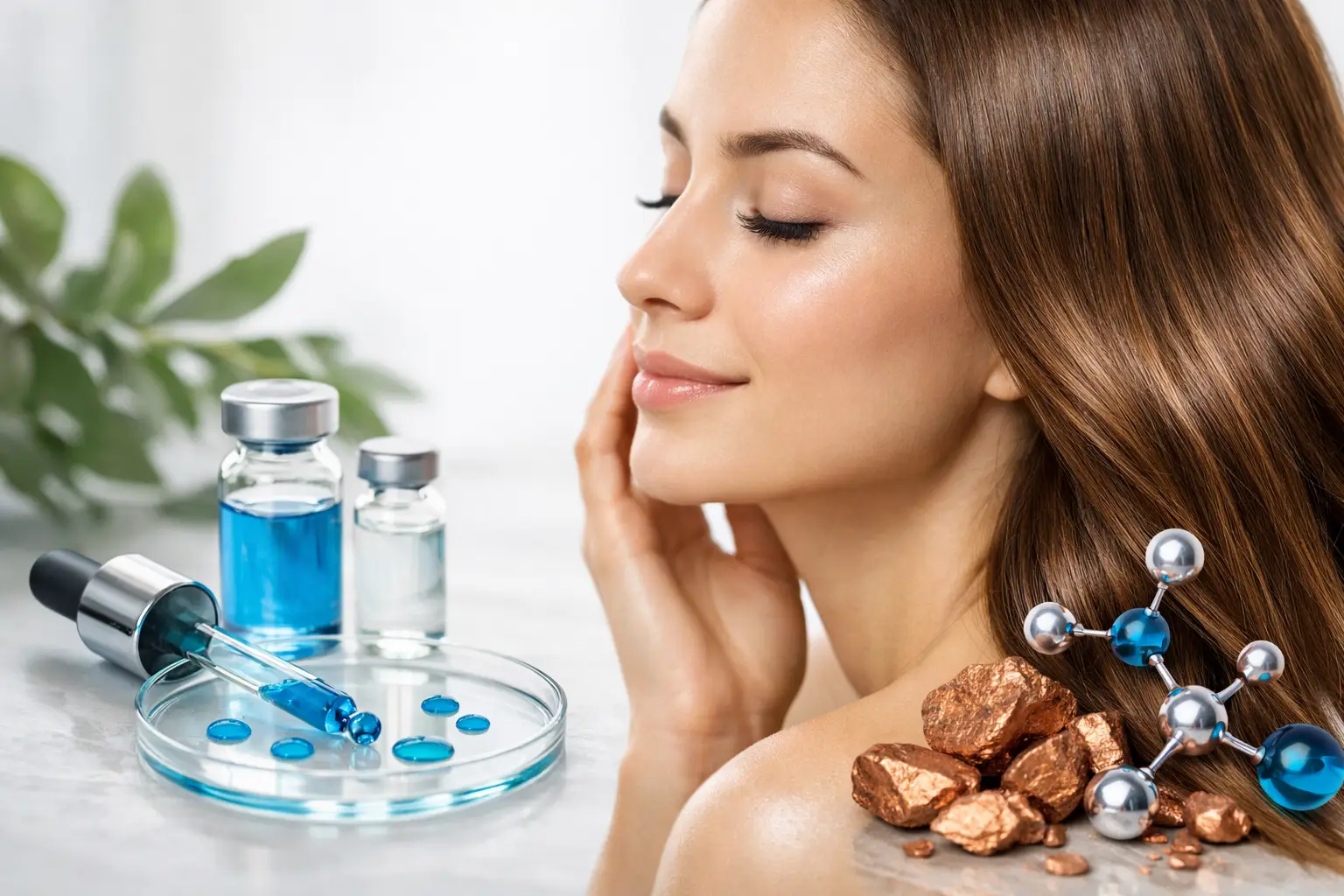
GHK-Cu Peptide Guide for Skin and Hair
If you are looking at peptide therapy because your skin feels thinner, your recovery feels slower, or your hair is not where you want it to be, a ghk cu peptide guide should start with one simple point – this is not a miracle trend. GHK-Cu is discussed because it has a long-standing reputation in regenerative and aesthetic conversations, especially for skin quality, healing support, and hair-related concerns. The value is in understanding where it may fit, where it may not, and why professional oversight matters.
What GHK-Cu is and why people ask about it
GHK-Cu stands for copper peptide, a naturally occurring peptide complex that has been studied for its role in tissue repair, skin remodeling, and cellular signaling. In aesthetic medicine, it gets attention because it is associated with processes tied to collagen support, skin appearance, and wound-healing function. That does not mean every client will see the same result, and it does not mean it replaces established treatments. It means there is enough clinical interest for it to be part of a larger skin, scalp, or wellness conversation.
For many clients, the appeal is practical. They are not looking for hype. They want healthier-looking skin, improved texture, support after procedures, or another option to discuss when hair thinning becomes harder to ignore. GHK-Cu enters that discussion as a tool, not a shortcut.
A practical GHK-Cu peptide guide to benefits
The most common reasons people ask about GHK-Cu involve skin quality and hair support. On the skin side, interest usually centers on firmness, texture, visible aging, and recovery. Because the peptide is connected to repair signaling, it is often discussed in relation to improving the look of tired or stressed skin and supporting a better healing environment.
For hair and scalp goals, GHK-Cu is often explored by clients who are already paying attention to shedding, thinning, or weakened hair growth. In a professional setting, it may come up as part of a broader hair restoration plan rather than a stand-alone answer. That distinction matters. Hair loss is rarely caused by one issue alone. Hormones, inflammation, age, stress, nutrition, scalp health, and genetics can all affect the outcome.
There is also a reason experienced providers speak carefully about benefits. A client with mild early concerns may notice more than someone with advanced volume loss, significant skin laxity, or untreated internal factors. Results depend on the starting point, the delivery method, consistency, and whether the rest of the treatment plan makes sense.
How GHK-Cu is commonly used
This ghk cu peptide guide would be incomplete without explaining that GHK-Cu is not used in just one way. It may appear in topical products, be discussed in compounded peptide protocols, or be incorporated into broader regenerative treatment strategies under professional care. The form matters because absorption, treatment goals, and expected outcomes are not the same.
Topical use is usually the most familiar entry point. Clients may see copper peptide serums or creams marketed for skin rejuvenation or scalp support. These can make sense for someone who wants a lower-commitment starting point, but topical products vary widely in quality and formulation. Ingredient list, concentration, stability, and compatibility with the rest of a skincare routine all matter.
In medspa and wellness settings, peptide therapy discussions may go further, especially for clients already considering advanced skin rejuvenation, hair restoration support, or age-management care. This is where medical history, treatment timing, and provider judgment become essential. The right candidate, protocol, and expectations need to line up.
Skin goals – where it may fit and where it may not
For skin, GHK-Cu is usually positioned as supportive rather than dramatic. It may be considered by clients who want to improve overall skin quality, especially when they are also investing in treatments that address texture, collagen stimulation, or recovery. Think of it as part of a layered plan instead of the headline treatment.
That layered plan may include services such as microneedling, RF microneedling, exfoliating treatments, or other collagen-focused protocols. In that setting, skin support becomes more meaningful because the goal is not only to treat what you see on the surface but also to encourage better skin behavior over time. A peptide may complement that strategy, but it does not replace treatment selection, proper spacing, or aftercare.
It may not be the best starting point for someone who wants instant lifting, deeper fold correction, or major resurfacing. Those concerns often require different tools. An experienced provider should be honest about that. The best aesthetic plan is not the one with the most trendy ingredients. It is the one that matches the condition being treated.
Hair concerns – why the conversation is more complex
Hair-related interest in GHK-Cu is understandable because clients often want options that feel restorative rather than purely cosmetic. Still, scalp and hair concerns require a disciplined approach. If there is active shedding, a widening part, diffuse thinning, or visible scalp show-through, the first question is not which peptide is popular. The first question is why the change is happening.
In a professional setting, GHK-Cu may be discussed alongside scalp health support, PRP-based strategies, hormonal evaluation, or targeted hair restoration planning. That is especially true for adults who are already investing in preventative or corrective aesthetic care. The goal is to build a plan based on pattern, timeline, medical history, and realistic growth cycles.
Hair improvement is slow. That can be frustrating, but it is also normal. Clients who expect a fast cosmetic fix are often disappointed. Whether a peptide is part of the approach or not, the better mindset is consistency, reassessment, and patience over several months.
Safety, quality, and why provider guidance matters
Peptide conversations can get messy online because products and claims are often presented without enough context. That is where a professional environment matters. Safety is not just about whether a peptide sounds promising. It is about sourcing, dosing, storage, candidate selection, contraindications, and whether the treatment belongs in your plan at all.
A medically informed provider should review your health history, current medications, treatment goals, and any skin or scalp sensitivities before recommending anything. They should also be clear about what is known, what is still being explored, and what level of result is realistic. If the explanation sounds overly absolute, that is usually a red flag.
Clients who already value sanitation, precision, and structured aftercare tend to do better with advanced aesthetic planning because they understand that good outcomes are built, not improvised. That is especially true in a setting like Vintage Lashes and Beauty Services, where treatment decisions are typically approached through expertise, maintenance planning, and visible standards of care.
What to ask before starting
Before adding GHK-Cu to a skin or hair plan, ask what the exact goal is. Better texture is different from skin tightening. Reduced shedding is different from regrowth. Supporting recovery is different from reversing long-term damage. Once the goal is specific, it becomes easier to decide whether this peptide belongs in the plan.
You should also ask how it will be used, how long it typically takes to assess progress, and what signs would show that the plan needs to be adjusted. That conversation should include maintenance. Many aesthetic and hair-related treatments require consistency, and peptides are no exception.
Finally, ask what else needs to be addressed at the same time. If a client is dealing with inflammation, poor home care, inconsistent treatment timing, unmanaged stress, or hormonal factors, a peptide alone is unlikely to carry the result.
Real expectations lead to better outcomes
The strongest ghk cu peptide guide is one that leaves room for nuance. Some clients are good candidates for a peptide-based conversation. Others need a more direct treatment path. Some will use it as one supportive piece in a broader rejuvenation strategy. Others may decide the benefit is too modest for their goals.
That is not a drawback. It is how smart aesthetic planning works. The best results usually come from choosing treatments with a clear purpose, following aftercare carefully, and giving the skin or scalp enough time to respond. If GHK-Cu is the right fit, it should support a well-built plan, not distract from one.
When you approach any advanced beauty or medspa service with patience, precision, and the right guidance, you give yourself a better chance at results that actually last.