
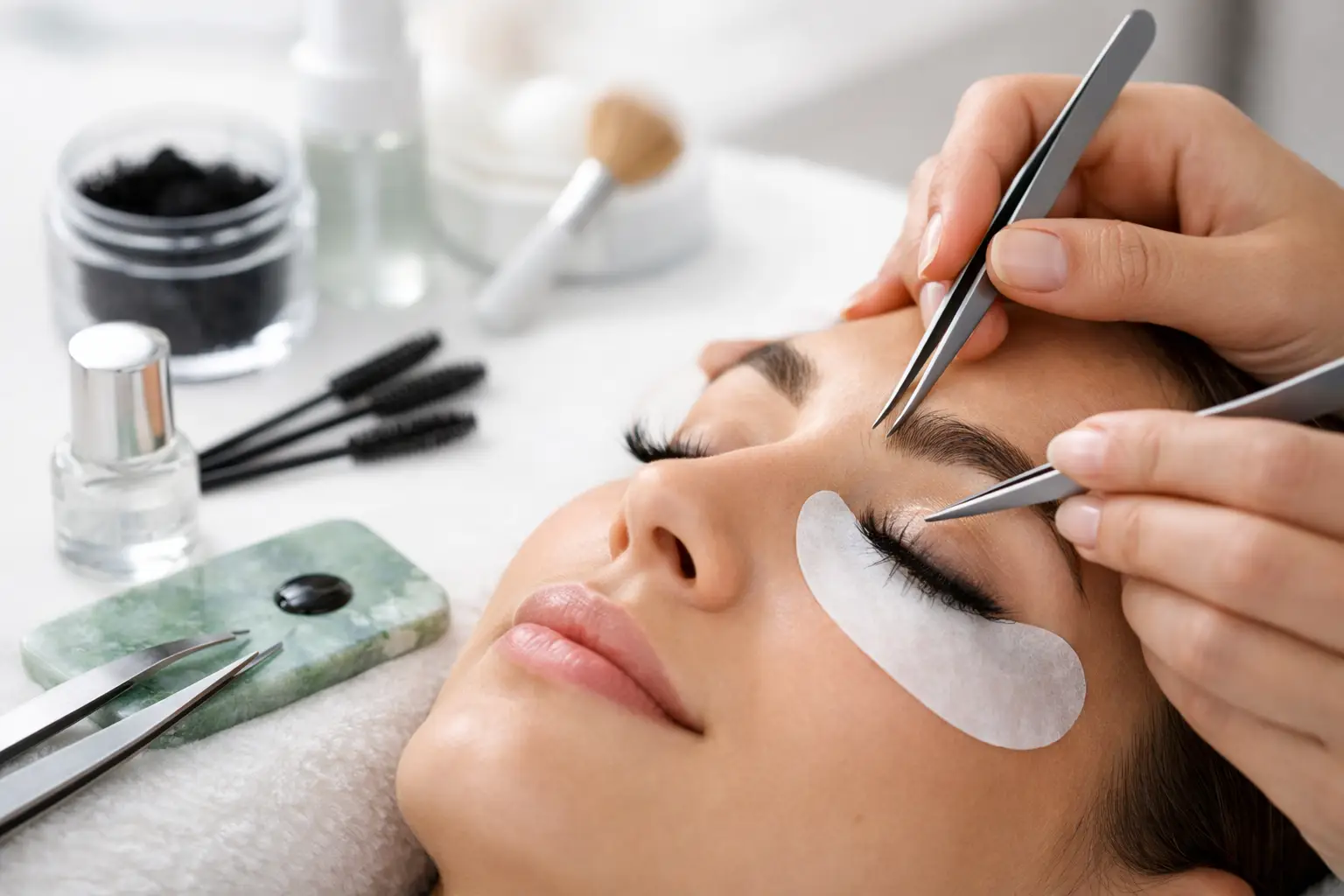
9 Best Lash Retention Tips That Work
The fastest way to ruin a fresh lash set is to treat retention like luck. It is not. The best lash retention tips come down to chemistry, timing, technique, and how well you follow aftercare once you leave the treatment room. If you invest in premium lash extensions, retention should be part of the service plan, not an afterthought.
A beautiful set can look dense and polished on day one, then shed far too quickly if oil, heat, friction, or poor cleansing interfere with the bond. On the other hand, even the most advanced application will not perform at its best if natural lashes are stressed, overhandled, or exposed to habits that weaken adhesive performance. Good retention is a shared result between your lash artist and your daily routine.
Why lash retention varies from person to person
Retention is never one-size-fits-all. Natural lash growth cycles are different for every client, which means some shedding is normal even when everything is done correctly. If your lashes grow quickly, wear makeup daily, exercise often, or spend time in heat and humidity, your maintenance timeline may look different from someone with a slower growth cycle and a lower-maintenance routine.
Lifestyle matters, but so does application quality. Isolation, attachment, adhesive control, humidity balance, and lash mapping all affect how well extensions hold. This is why credentials and technical precision matter. A properly applied set should be attached to healthy natural lashes with the right weight and placement, not overloaded or stuck together.
Best lash retention tips start before your appointment
Retention begins before the first extension is placed. Arriving with clean lashes makes a measurable difference because oils, skincare residue, sunscreen, and makeup can interfere with adhesive bonding. Even a thin film on the lash line can shorten wear.
Skip mascara before your appointment, especially waterproof formulas. Avoid oily eye creams directly around the eye area that day. If you wear contacts, removing them before the service can also make the appointment more comfortable and reduce watering.
Timing matters too. If you schedule a lash appointment right after a workout, beach day, or facial that leaves heavy product on the skin, you are not setting the adhesive up for success. Clean skin and dry lashes give your artist the best working surface.
Come to appointments ready for precision work
A lash appointment is not a rushed beauty stop. Caffeine, stress, talking, and phone use can all lead to fluttering eyes or watery lids, which makes precise application harder. The smoother the service, the more consistent the placement. For clients who want longevity, showing up on time and prepared is part of the process.
The first 24 to 48 hours matter more than most clients think
Fresh adhesive needs a stable environment to fully cure. Your artist may give specific instructions based on the adhesive system used, but one principle stays consistent: avoid anything that creates unnecessary stress on the lash line right away.
That means no steam-heavy showers, saunas, intense workouts, or direct heat exposure if you have been told to avoid them. It also means keeping your hands off your lashes. Rubbing, pulling, or checking them in the mirror every hour is one of the easiest ways to weaken early retention.
Sleep position also matters more than people expect. If you press one side of your face into the pillow, that side usually sheds faster. A silk or satin pillowcase can help reduce friction, but it does not replace being mindful about how you sleep.
Clean lashes last longer
Clients are often surprised to hear that avoiding cleansing is bad for retention. Clean lashes retain better than dirty lashes. Oil, debris, dead skin, and makeup buildup collect at the base of the extensions and can break down the adhesive bond over time. They also create an unhealthy environment for the lash line.
Use a lash-safe cleanser as directed by your provider and wash gently but thoroughly. The goal is not to soak the lashes aggressively. The goal is to cleanse the lash line without rubbing or twisting the extensions. Rinse well, then dry carefully. A clean spoolie can be used to realign lashes once they are dry.
If you wear eye makeup regularly, this step becomes even more important. Eyeliner, concealer, powder, and mascara residue travel more than clients realize. The cleaner your lash line stays, the better your set tends to perform between fills.
Not all products are extension-friendly
One of the best lash retention tips is to audit what goes near your eyes. Oil-based removers, rich balms, heavy creams, and certain makeup primers can weaken adhesive faster than you think. That does not mean every skincare product is off-limits. It means placement and formula matter.
Keep richer products on the orbital bone rather than directly at the lash line unless your provider has confirmed they are safe for extensions. If you are unsure, ask before using a new eye product. Guesswork is expensive when it shortens the life of your set.
Heat, humidity, and habits all affect retention
Southwest Florida weather is not always gentle on lashes. Heat and humidity can contribute to faster buildup, more facial oils, and more frequent cleansing needs. If you spend time outdoors, on the water, at the gym, or in high-humidity conditions, retention may depend even more on disciplined aftercare.
This does not mean you cannot live normally with lash extensions. It means your routine should match your lifestyle. If you sweat often, cleanse consistently. If you are in and out of pools or beach conditions, rinse and care for your lashes properly afterward. Long wear comes from maintenance, not wishful thinking.
Daily habits are often the real problem. Rubbing tired eyes, sleeping face-down, using cotton pads that snag, or curling extensions with a lash curler can all shorten retention. Extensions should not need mechanical force to look good. If they do, the issue is usually with care, styling, or timing for a fill.
Fill timing is part of retention, not separate from it
Clients sometimes wait too long between fills and then assume retention failed. In reality, natural lash shedding continues every day, so a set that looked full at week one will not look the same at week three or four. A fill schedule is how you maintain the design as your natural lashes cycle.
For many clients, two to three weeks is the ideal range, though it depends on growth cycle, style, density, and lifestyle. Waiting too long often means more outgrowth, more twisting, and fewer extensions left to work with. At that point, the appointment may require more time or a fresh full set rather than a standard fill.
Consistent maintenance protects the look of the lashes and the health of the natural lash line. It also allows your provider to monitor changes in shedding patterns, product sensitivity, or seasonal shifts that may affect retention.
Healthy natural lashes hold extensions better
Retention is stronger when the natural lashes underneath are healthy enough to support the extensions. If your lashes are brittle, sparse, or stressed from rubbing, overuse of cosmetics, or previous poor application, retention may be limited until the natural lash condition improves.
This is where an experienced provider matters. Proper extension weight, diameter, and length should be selected based on your natural lash strength, not just your preferred look. More dramatic is not always better if your natural lashes cannot support it safely. Short-term fullness is not worth long-term damage.
Clients sometimes think adding more length or density will make the set last longer because it appears fuller. Usually, the opposite is true if the natural lashes are overloaded. Balanced styling tends to retain better because it respects what your lashes can actually hold.
When retention problems need a professional review
If your lashes are shedding unusually fast, look closely at the pattern. Are extensions coming off attached to a natural lash, or are they sliding off cleanly? Is the issue happening on one side only? Did you recently change skincare, medication, hormone therapy, workout frequency, or sleep habits? Small details can point to the cause.
A reputable provider will assess whether the issue is related to aftercare, growth cycle, product interference, environment, or application factors. At Vintage Lashes and Beauty Services, client education is part of doing the job correctly because retention improves when expectations and maintenance are clear from the start.
Best lash retention tips that actually make a difference
The most effective retention strategy is simple: start with a qualified lash artist, follow aftercare exactly, cleanse consistently, protect the lashes from friction and oil, and stay on schedule with fills. None of those steps are glamorous, but they are what keep a set looking polished longer.
There is also room for realism. Some clients will always retain better than others because body chemistry and lash cycles vary. The goal is not perfection. The goal is strong, healthy, consistent wear that reflects proper application and responsible care.
If you want your lashes to look expensive for as long as possible, treat aftercare with the same seriousness as the appointment itself. That is usually where the best results are won or lost.