
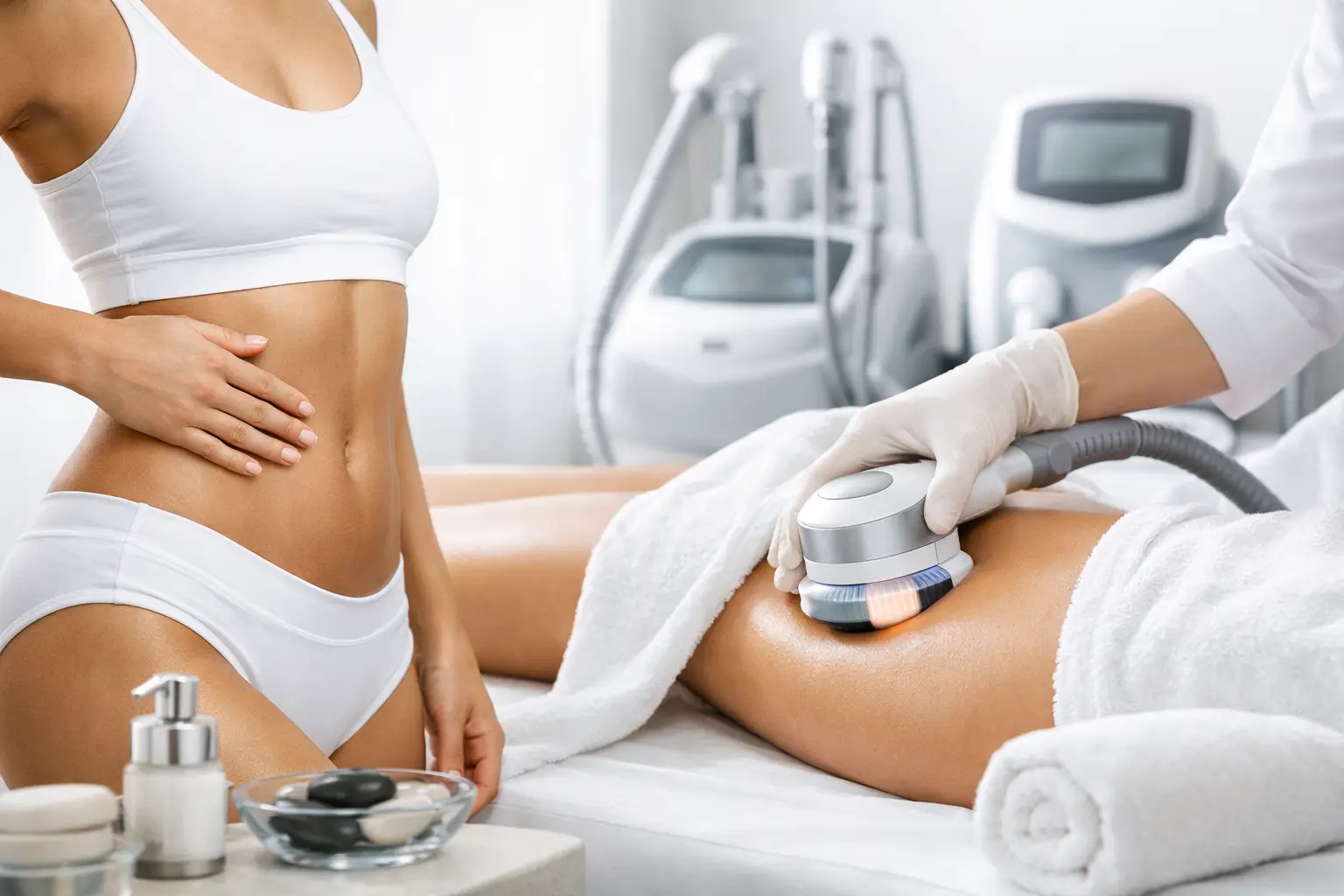
A Clear Guide to Body Sculpting Treatments
A stubborn lower abdomen, soft bra-line fullness, or the area above the knees can feel out of proportion even when your weight, nutrition, and exercise routine are consistent. That is where a guide to body sculpting treatments becomes useful: not as a promise of dramatic weight loss, but as a clear way to understand targeted contouring, realistic results, and the professional planning that makes treatment worthwhile.
Body sculpting is a highly individualized service. The best approach depends on your anatomy, the type of tissue being treated, your health history, and whether your goal is fat reduction, muscle definition, skin quality, or a more refined silhouette. A qualified consultation should never treat every body or every concern the same way.
What Body Sculpting Treatments Are Designed to Do
Noninvasive body sculpting uses advanced technology to target specific concerns without surgical incisions or a lengthy recovery period. Depending on the treatment platform and treatment plan, body sculpting may use controlled energy, cooling, heat, muscle stimulation, or a combination of methods to affect fat cells, support muscle tone, or improve the appearance of skin in selected areas.
The key word is contouring. These treatments are intended for clients who are close to a stable, healthy weight but have pockets of fullness or areas of softness that do not respond as readily to lifestyle efforts. Common treatment areas include the abdomen, flanks, thighs, upper arms, back, buttocks, and under the chin.
Body sculpting is not a replacement for a weight-management program, regular movement, or balanced nutrition. It also cannot create the same result as surgery for a client with substantial excess skin or a large volume of fat to remove. Being direct about those limits is part of responsible aesthetic care.
A Guide to Body Sculpting Treatments and Technology
There is no single “best” body sculpting treatment. The right choice comes down to the concern being addressed and the technology available at your provider’s practice.
Fat-focused contouring
Some noninvasive treatments are designed to reduce the appearance of small, pinchable fat deposits through controlled cooling or heat-based energy. Over time, the body processes the affected fat cells naturally. This process is gradual, which can be a benefit for clients who want their change to look refined rather than sudden.
Results are typically not immediate. It may take several weeks, and sometimes a few months, to see the full change in a treated area. Some clients need more than one session to reach the level of contouring they want. A precise assessment of the area helps establish whether a single treatment or a series is appropriate.
Muscle stimulation and definition
For clients whose concern is less about fat and more about tone, certain technologies use electromagnetic or electrical stimulation to create intense muscle contractions. These treatments may support the appearance of firmer abdominal muscles, glutes, thighs, or other selected areas when paired with an active lifestyle.
Muscle-focused body sculpting can be especially appealing to clients who are already fit but want help enhancing definition. It is not a substitute for strength training, but it can complement a consistent fitness routine. Your provider should explain what sensation to expect, how many sessions are recommended, and how maintenance may fit into your plan.
Skin tightening and texture support
Loose or crepey-looking skin can make an area appear less defined even when there is little excess fat. Energy-based treatments that warm deeper tissue may be used to support collagen remodeling and improve the appearance of skin firmness over time.
Skin quality is a separate issue from fat reduction. A client may benefit from tightening support alone, while another may need a plan that addresses both fullness and laxity. Treating only the fat in an area with significant skin laxity may not deliver the polished result the client expects. This is why the consultation matters as much as the treatment itself.
Who Is a Good Candidate?
Ideal candidates are generally healthy adults with realistic expectations, stable weight, and a specific area they would like to refine. They understand that body sculpting creates incremental improvement rather than a total body transformation.
A consultation should include a discussion of your medical history, medications, prior procedures, pregnancy status, implanted devices, and any conditions that could affect eligibility. Certain technologies may not be appropriate for individuals with specific metal implants, pacemakers, hernias, active skin conditions in the treatment area, or other health concerns. Your provider should review these details before scheduling treatment, not after you arrive.
Skin tone, tissue quality, and body composition also influence the recommendation. For example, someone with dense abdominal fat may need a different approach than someone with a small amount of soft fullness and mild skin laxity. There is value in choosing a provider who is willing to say when a treatment is not the right fit.
What Happens During a Professional Consultation
A proper body sculpting consultation is not simply choosing an area from a menu. It begins with your concerns, goals, health history, and timeline. You should be able to discuss whether you are preparing for an event, maintaining results after weight loss, or building a longer-term aesthetic plan.
Your provider may assess the amount and location of tissue, skin elasticity, symmetry, and how the area looks both at rest and in motion. Clinical photographs and measurements may be used to document a starting point. These records are valuable because gradual results can be difficult to judge from memory alone.
The treatment plan should clearly cover the recommended number of sessions, expected spacing between appointments, likely downtime, cost, and whether maintenance is advised. Ask what result is realistic for your body, not just what is possible in a promotional photo. Clear expectations protect your investment and lead to better satisfaction.
What Treatment and Recovery Can Feel Like
The experience varies by technology and area treated. Some services feel like firm pressure, warmth, cooling, tapping, or powerful muscle contractions. Your provider should explain normal sensations before treatment begins and check your comfort throughout the appointment.
Many noninvasive procedures allow clients to return to regular activities the same day. Temporary redness, swelling, tenderness, bruising, numbness, or sensitivity can occur, depending on the modality. These effects are often short-lived, but aftercare instructions should be followed carefully.
Do not schedule a first-time body sculpting treatment immediately before a major event, beach vacation, or photo session. Even when downtime is minimal, your body needs time to respond, and visible results develop on their own timeline. Planning ahead gives you room for recommended sessions and allows any temporary side effects to resolve.
Getting Better Value From Your Treatment Plan
Body sculpting works best when it is treated as part of a maintenance-minded approach, not a one-time fix. Hydration, consistent nutrition, exercise, sleep, and weight stability all support a more predictable result. Large weight fluctuations after treatment can change your contour and diminish the appearance you worked to achieve.
It also helps to be specific about your priority. If your goal is a smoother waistline in fitted clothing, the treatment plan may look different than a goal of stronger-looking abdominal definition or firmer skin on the arms. Focused goals allow your provider to recommend treatment with greater precision.
At Vintage Lashes and Beauty Services, clients can discuss body contouring within a broader beauty and wellness plan, with the same emphasis on professional standards, clear education, and individualized care that guides every service. For Naples-area clients, that means addressing aesthetic goals in a clean, appointment-focused setting without guesswork or exaggerated promises.
Questions Worth Asking Before You Commit
Before booking, ask which technology will be used, why it suits your concern, how many sessions you may need, and when results are likely to appear. Ask about common side effects, contraindications, aftercare, and what happens if you do not respond as expected. A skilled provider will answer directly and will not pressure you into treating more areas than align with your goals.
Also ask how progress will be evaluated. Standardized photos, measurements, and a planned follow-up are more meaningful than relying on a quick glance in the mirror. Precision is especially valuable in body contouring, where small changes can make a noticeable difference in clothing fit and confidence.
The right body sculpting plan should feel considered, not rushed. When treatment selection is based on your tissue, goals, lifestyle, and safety profile, you can move forward with a realistic view of what refinement looks like – and a plan designed to protect the results you earn.