
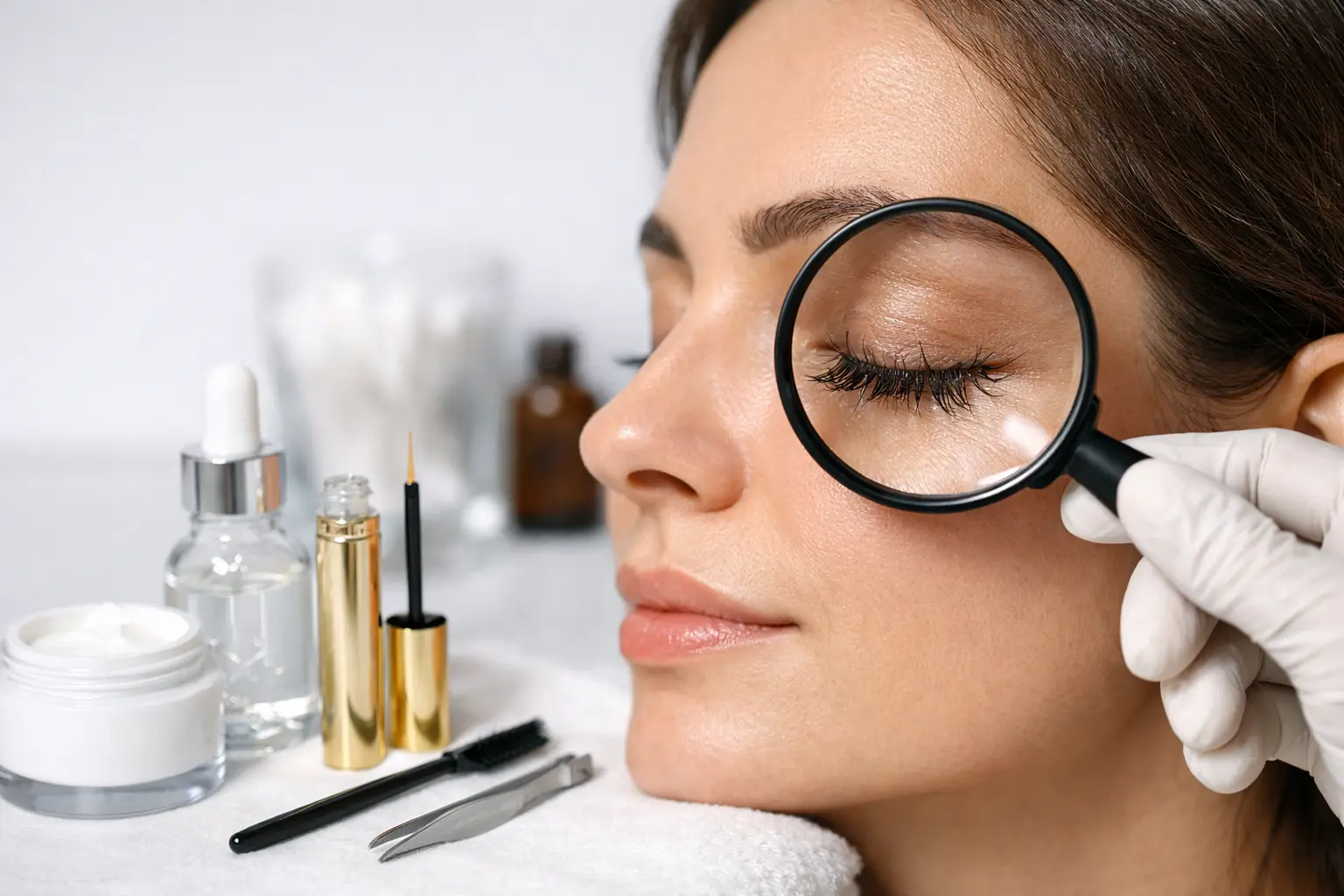
Best Treatments for Lash Damage That Really Work
A sparse lash line after extensions, a rough removal, or months of rubbing your eyes can feel alarming, especially when you are used to a polished, defined look. The best treatments for lash damage are not about a quick cover-up. They focus on protecting the lash follicle, reducing breakage, and giving your natural lashes the conditions they need to complete a healthy growth cycle.
Natural lashes shed and regrow in phases, so improvement is rarely overnight. What you can control is whether your daily routine supports that cycle or keeps creating stress on fragile lashes. The right approach depends on whether you are dealing with simple dryness and breakage, irritation, thinning, or a reaction that needs medical attention.
Why Lashes Become Damaged in the First Place
Lash extensions themselves are not automatically damaging. When they are applied with proper isolation, appropriate weight, clean technique, and a healthy natural lash in mind, extensions can be worn and maintained safely. Problems arise when natural lashes are overloaded, multiple lashes are bonded together, adhesive is exposed to oil or moisture too soon, or clients pull at extensions between appointments.
Damage can also come from repeated strip-lash adhesive, aggressive use of a lash curler, waterproof mascara that requires heavy rubbing, sleeping in eye makeup, and harsh removers. Seasonal allergies are another common issue in Southwest Florida. Constant rubbing can weaken lashes at the shaft and irritate the delicate skin around the eyes.
It also helps to separate normal shedding from true damage. Seeing a few lashes shed daily is expected. Noticeable gaps, short broken lashes, soreness, crusting, redness, or a persistent itching sensation deserve closer attention.
Best Treatments for Lash Damage: Start With a Recovery Plan
The most effective treatment is usually a combination of temporary restraint, gentle care, and better application standards going forward. Trying to force a dramatic result too early can prolong the problem.
Take a Strategic Break From Extensions
If your lashes are visibly weakened, uneven, or breaking, a short break from extensions may be the most responsible choice. This does not mean you need to abandon your beauty routine indefinitely. It means giving the existing lashes time to shed naturally while minimizing extra weight and friction.
A professional removal is essential. Never pull, pick, or use household oils and solvents in an attempt to loosen adhesive. Pulling extensions off can remove a natural lash before it is ready to shed and may create the sparse appearance you are trying to correct.
The length of a break depends on the condition of your lashes. Some clients only need time for a few shedding cycles, while others benefit from a longer recovery period before returning to a full set. A skilled lash specialist should assess the density, length, and strength of the remaining natural lashes before recommending the next step.
Cleanse Without Scrubbing
A clean lash line is part of recovery. Oil, makeup residue, dead skin, and bacteria can collect around the follicles, particularly if you have been avoiding cleansing out of fear that it will make lashes fall out. In reality, gentle cleansing helps keep the area comfortable and reduces buildup.
Use a mild, eye-safe cleanser and clean fingertips or a soft lash brush. Work around the lash line carefully, rinse thoroughly, and pat dry instead of rubbing with a towel. Skip exfoliating acids, fragranced products, and heavy creams directly around the eyes while the area is irritated.
If you are wearing extensions that are still intact, use an extension-safe cleanser and follow your technician’s aftercare instructions. Proper cleansing should not loosen correctly cured adhesive, but rubbing and oil-based products can compromise retention.
Consider a Lash Conditioning Serum
A quality conditioning serum can improve the feel and appearance of dry, brittle lashes by helping them stay hydrated and less prone to snapping. This is a useful option for lashes stressed by makeup removal, sun exposure, frequent curling, or prior extensions.
Be realistic about what a cosmetic serum can do. It can support the appearance and condition of the lash hair, but it is not a guaranteed cure for significant hair loss or a damaged follicle. Use it consistently as directed, avoid getting product into the eye, and stop immediately if you experience burning, redness, swelling, or itching.
Prescription lash-growth medications are different from cosmetic conditioners and should only be considered with guidance from a qualified medical provider. They can have side effects and are not the right answer for every person.
Stop the Habits That Cause Repeat Breakage
Recovery products cannot overcome daily mechanical damage. Put down the lash curler for a few weeks if your lashes are fragile. Replace waterproof mascara with a gentler formula or go makeup-free during the recovery period. Most importantly, do not sleep in eye makeup or rub your eyes when tired, stressed, or dealing with allergies.
If allergy symptoms are driving the rubbing, address the allergies rather than repeatedly touching the lash line. Your primary care provider, eye doctor, or allergist can help determine a safe option for your symptoms.
What Not to Use on Damaged Lashes
Avoid DIY fixes that create more irritation than improvement. Castor oil is often promoted as a lash-growth treatment, but evidence that it grows lashes is limited, and oil can migrate into the eye or interfere with extension adhesive. The same caution applies to essential oils and homemade mixtures. The eye area is not the place to experiment with concentrated ingredients.
Do not trim your lashes to make them grow back stronger. Like the hair on your head, trimming does not change growth from the follicle. Also avoid applying strip lashes repeatedly over an irritated lash line. The adhesive and removal process can make a recovering area more sensitive.
A good rule is simple: if a product stings, leaves redness behind, or requires forceful removal, it does not belong in your lash recovery routine.
When to See a Medical Professional
Some lash concerns are cosmetic, but others require medical evaluation. Seek care from an eye doctor or qualified healthcare professional if you have pain, swelling, discharge, persistent redness, blurred vision, thick crusting, a rash on the eyelids, or sudden patchy lash loss. These symptoms may point to an infection, allergic reaction, eyelid inflammation, or another condition that should not be managed with salon products alone.
It is also worth discussing unexplained thinning with a medical provider if it continues despite gentle care. Hormonal changes, thyroid concerns, nutritional deficiencies, certain medications, and autoimmune conditions can affect hair growth, including eyelashes.
Returning to Extensions Without Repeating the Damage
Once the natural lashes appear healthy and your lash line feels comfortable, choose your next application carefully. The safest return is not always the fullest set. A lighter classic or carefully designed volume look may be more appropriate than long, dense fans, depending on your natural lash strength.
A qualified artist should isolate every natural lash, select extensions that match its ability to support weight, and avoid bonding lashes together. This is especially important with volume techniques, where expert fan construction and weight control make a meaningful difference. Clean tools, fresh supplies, sanitation practices, and clear aftercare are nonnegotiable.
Be honest during your appointment about previous irritation, shedding, sensitivity, and any products you use around the eyes. A professional should be willing to adjust the design, recommend a recovery period, or decline an application if your lashes are not ready. That decision protects your long-term results.
For clients in Naples and the surrounding area, Vintage Lashes and Beauty Services approaches lash health with the same precision used in every technical service: thoughtful assessment, sanitary application, appropriate weight selection, and direct aftercare guidance. Beautiful extensions should enhance your natural lashes, not ask them to carry more than they can support.
Healthy lash recovery is usually quiet and consistent: clean gently, stop pulling, choose products carefully, and let a trained professional guide the timing of your return. Patience now gives you a far better foundation for the lashes you want later.