
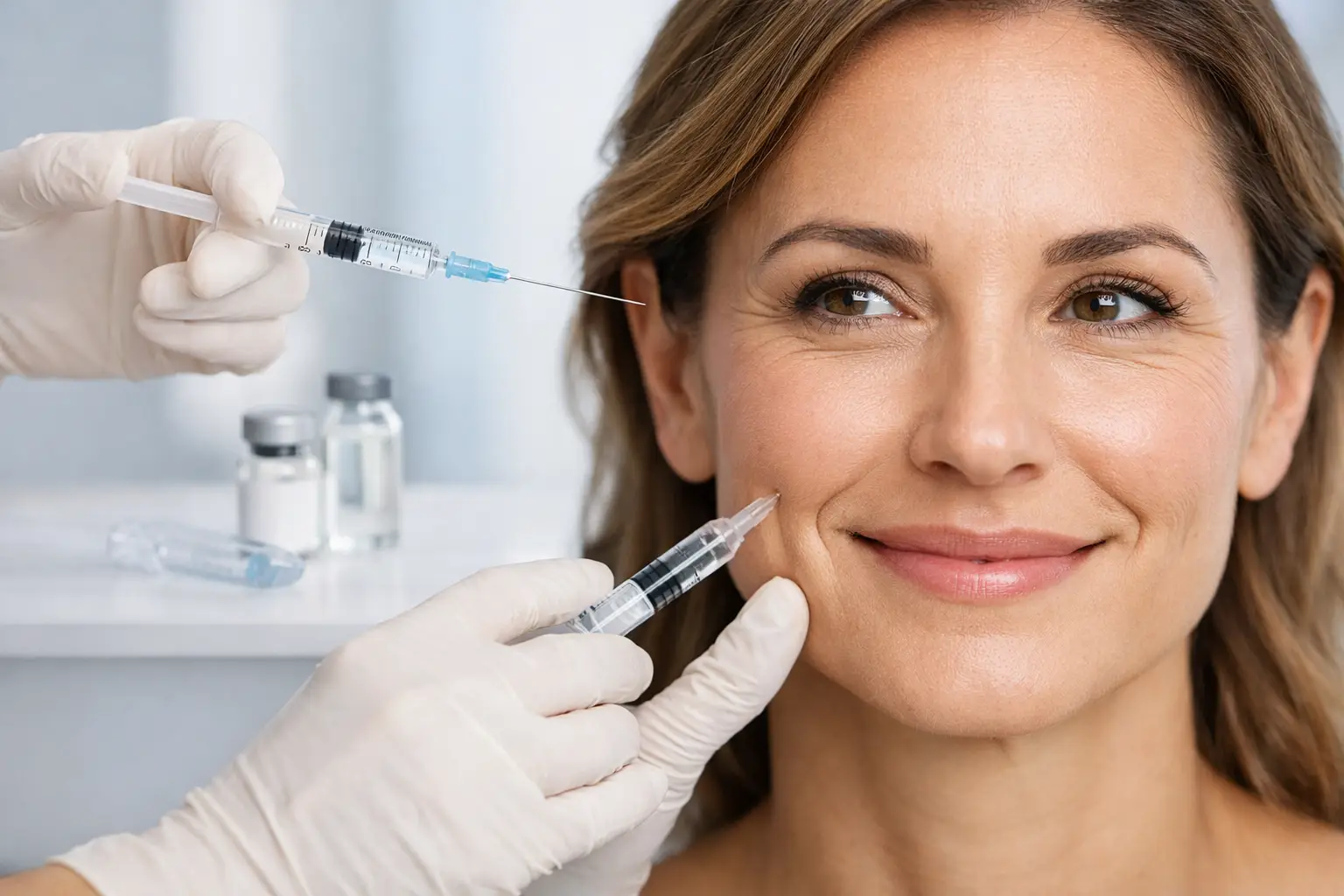
Botox or Filler for Smile Lines – What Works Best?
Smile lines can make a face look warm, expressive, and lived-in – but when they remain visible at rest or deepen makeup creases, many clients want a more refreshed look. The question of botox or filler for smile lines is common, but the right answer depends on what is actually creating the fold: movement, volume loss, skin quality, or a combination of all three.
At Vintage Lashes and Beauty Services, treatment planning begins with facial assessment, not a one-size-fits-all injectable menu. Smile lines, also called nasolabial folds, sit in an area where thoughtful technique matters. The goal is not to erase every natural expression. It is to soften unwanted heaviness while preserving balance, movement, and a result that still looks like you.
Botox or Filler for Smile Lines: The Key Difference
Botox and dermal filler work in entirely different ways. Botox Cosmetic is a neuromodulator. It temporarily relaxes selected muscles that create repetitive expression lines. Dermal filler is a gel-like injectable, often made with hyaluronic acid, that replaces or supports volume beneath the skin.
This difference matters because the classic smile line is not usually caused by a muscle that should be fully relaxed. Nasolabial folds are often formed by the natural anatomy of the cheek, changes in facial volume over time, skin laxity, and the way the face moves when smiling.
For that reason, filler is more commonly used when the concern is a fold that is visible even with a neutral expression. Botox may play a supporting role in carefully selected cases, but it is not typically the primary treatment for deep nasolabial folds.
When Filler Is Usually the Better Choice
Dermal filler can be an effective option when smile lines appear because the midface has lost structural support or the fold has become etched into the skin. Instead of simply placing product directly into every line, an experienced injector evaluates the cheeks, mouth area, chin, and overall facial proportions.
Sometimes restoring subtle support higher in the cheek reduces the pull and shadow around the smile lines. Other times, a conservative amount of filler is placed directly into the fold. The best approach depends on your tissue quality, facial structure, age-related changes, and how much correction looks natural on your face.
A well-planned filler treatment may help soften:
- Moderate to deep folds visible at rest
- Shadows from midface volume loss
- A tired or drawn appearance around the mouth
- Makeup settling into deeper creases
The word to focus on is soften. Overfilling the nasolabial area can make the lower face look heavy, puffy, or less natural. Precision, product selection, and conservative dosing are more valuable than chasing a completely line-free result.
What Results and Maintenance Can Look Like
Most clients see an immediate improvement after filler, although mild swelling or bruising can temporarily affect the appearance during the first several days. The final settled result is typically easier to evaluate after about two weeks.
Longevity varies based on the product used, metabolism, facial movement, placement technique, and the amount of support needed. Many clients maintain results around the smile-line area every six to 18 months. A personalized plan may involve smaller maintenance appointments rather than waiting until all correction has faded.
When Botox May Help Around the Mouth
Botox is especially useful for lines driven by repeated muscle movement. Around the lower face, it may be considered for concerns such as downturned mouth corners, chin dimpling, lip lines, or excessive muscle pull that contributes to a tense expression.
However, injecting Botox directly to eliminate nasolabial folds is generally not the standard solution. The muscles around the mouth are essential for speaking, eating, smiling, and normal expression. Too much relaxation in this area can interfere with function or create an unnatural look.
There are situations where a provider may use a small, precise amount of Botox as part of a broader lower-face plan. For example, reducing a downward pull at the mouth corners may complement filler or skin-quality treatments elsewhere. This requires detailed knowledge of facial anatomy and a conservative approach.
Botox results develop gradually, often becoming noticeable within several days and reaching their full effect in about two weeks. Maintenance is commonly scheduled every three to four months, though individual response varies.
Why Some Clients Benefit From Both
The Botox-or-filler question is not always an either-or decision. A balanced treatment plan can address different causes of facial aging at the same time.
Filler may restore support to areas affected by volume loss, while Botox can soften selected expression patterns that contribute to a pulled, tired, or tense appearance. Skin treatments may also be recommended when fine creasing, texture changes, and collagen loss are part of the concern.
For example, a client with deep folds, reduced cheek support, and fine lines around the mouth may need more than product placed into the smile lines. In that case, strategic midface support, conservative fold correction, and a collagen-stimulating treatment may create a more polished result than one aggressive filler appointment.
This is where experienced assessment protects your investment. Treating only the most visible line without considering the rest of the face can lead to short-lived or unbalanced results.
Skin Quality Still Matters
Injectables can improve support and movement-related concerns, but they do not replace healthy skin. Smile lines often look more pronounced when the skin is dehydrated, sun-damaged, thin, or lacking collagen.
A treatment plan may include professional skin rejuvenation options such as microneedling, RF microneedling, chemical peels, or other treatments selected for your skin condition and downtime preferences. These services do not produce the same immediate volumizing effect as filler, but they can support smoother texture and firmer-looking skin over time.
Daily habits make a difference as well. Consistent sunscreen use, medical-grade skin care recommended for your needs, hydration, and avoiding smoking all help protect collagen and maintain the quality of your results.
What to Expect at an Injectable Consultation
A proper consultation should involve more than pointing at a line in the mirror. Your provider should review your medical history, current medications and supplements, previous injectable treatments, allergy history, and aesthetic goals. They should also examine your face at rest and in motion.
Be direct about whether you want a subtle refresh or more visible correction. Bring up upcoming events, travel, dental appointments, or procedures that may affect scheduling. Bruising and swelling are possible with filler, so timing matters if you have a wedding, photo session, or important professional event on the calendar.
A qualified injector should explain the benefits and limitations of the recommended treatment, expected maintenance, possible side effects, and aftercare. You should never feel pressured to add more product than you are comfortable receiving.
Safety Is Part of the Result
The smile-line area contains important facial blood vessels. Injectable treatment should be performed by a properly trained, qualified medical professional who understands facial anatomy, product selection, complication protocols, and when not to treat.
For filler, ask about the product being used and whether the practice has appropriate safety protocols in place. For Botox, confirm that dosing is individualized rather than copied from another person’s treatment. A polished result comes from technical judgment, not a standard number of units or syringes.
Choosing the Treatment That Fits Your Face
If your smile lines are primarily folds caused by volume loss or sagging through the midface, filler is often the more direct option. If the concern is muscle-driven tension or other expression lines around the mouth, Botox may be considered as part of a carefully designed plan. If both aging patterns are present, combination treatment may provide the most balanced outcome.
The best injectable result should not announce itself. It should let people notice that you look rested, well cared for, and like yourself on a very good day. Start with an individualized consultation, choose precision over excess, and allow your treatment plan to evolve with your face rather than chasing a trend.