
Can Fillers Improve Under Eye Hollows Safely?
A shadow beneath the eyes can make a well-rested person look tired, stressed, or older than they feel. For clients who see that hollowing in photos, video calls, or the mirror, the first question is often: can fillers improve under eye hollows? In the right candidate, carefully placed dermal filler can soften the transition between the lower eyelid and cheek. But this is not a one-size-fits-all treatment, and the injector’s assessment and technique matter as much as the product itself.
Can Fillers Improve Under Eye Hollows?
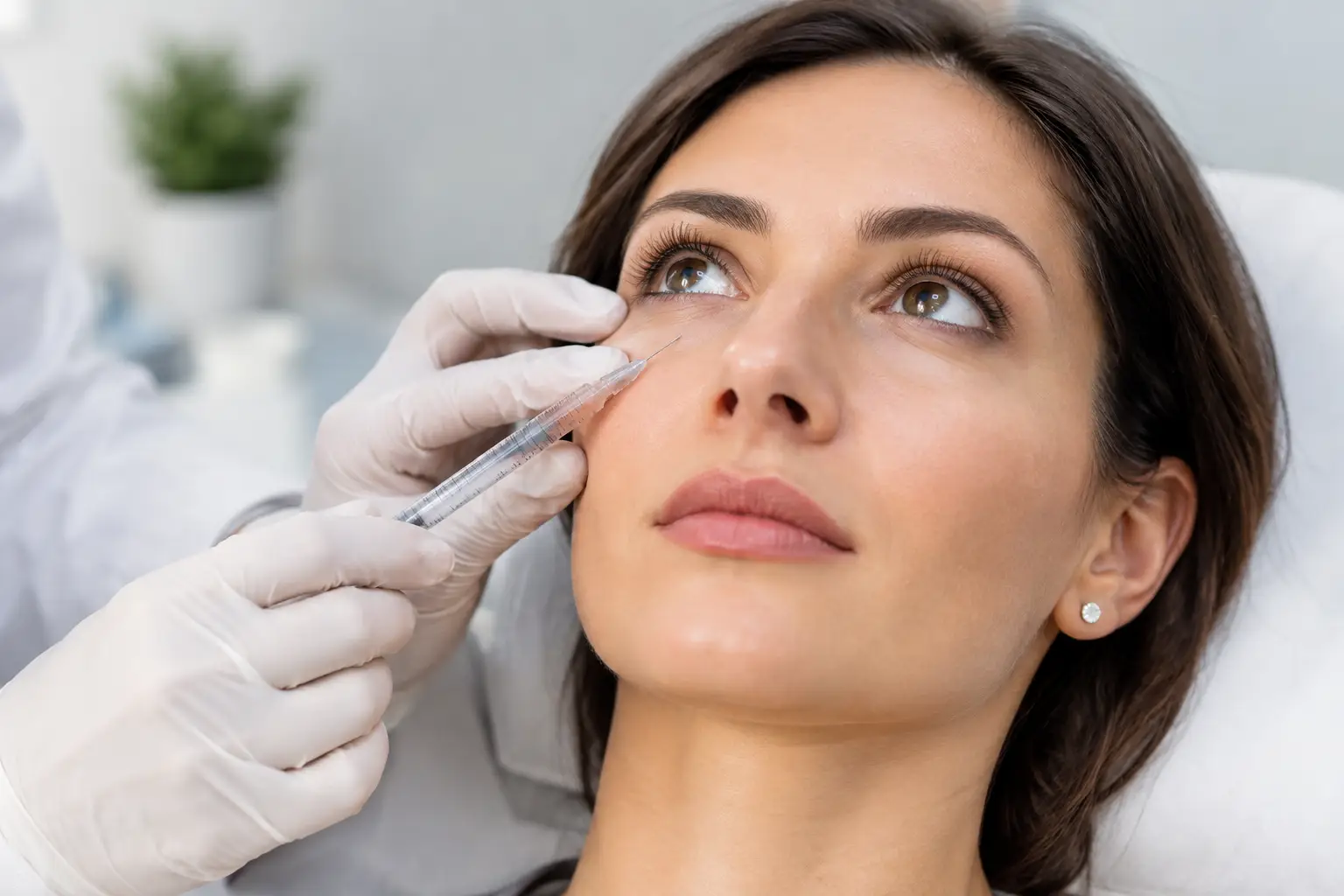
Yes, fillers can improve under eye hollows when volume loss is the primary cause of the shadowed appearance. The area commonly called the tear trough sits between the lower eyelid and upper cheek. With age, genetics, weight changes, or natural facial anatomy, this transition can deepen. Light then catches the contour differently, creating a tired or sunken look even when the skin itself is healthy.
A hyaluronic acid dermal filler may be used to restore support and create a smoother contour. Hyaluronic acid is a naturally occurring substance that attracts water, and certain formulations can be appropriate for delicate facial areas when selected and placed conservatively. The goal is not to erase every line or overfill the lower eyelid. It is to reduce the abrupt hollow-to-cheek transition while preserving a natural, rested appearance.
Results vary because under-eye darkness has more than one cause. Filler can help a shadow caused by structural hollowing, but it does not remove pigment in the skin, visible blood vessels, loose skin, puffiness, or prominent under-eye fat pads. A precise evaluation prevents a treatment from being used for a concern it cannot realistically correct.
Who Is a Good Candidate for Tear Trough Filler?
The strongest candidates usually have mild to moderate hollowness, good skin quality, and limited under-eye puffiness. They understand that thoughtful correction is often subtle. Many clients do not want others to know they had filler. They simply want to look less fatigued and more refreshed.
A consultation should examine the entire midface, not just the indentation below the eye. In some cases, restoring support in the upper cheek can improve the under-eye transition more naturally than placing product directly in the tear trough. Facial balance matters. Treating the area in isolation can create an unnatural result or fail to address the actual source of the hollow.
Clients with significant fluid retention, pronounced bags, very thin crepey skin, active skin irritation, or a history of persistent swelling may not be ideal candidates for direct under-eye filler. Those with certain medical conditions, allergies, previous filler complications, or a history of surgery around the eyes need an individualized medical review. Pregnancy and breastfeeding are also times to postpone elective injectable treatments.
Hollowing, pigment, or puffiness?
This distinction is central to treatment planning. If darkness changes dramatically when overhead lighting changes or when you gently lift the cheek, a structural shadow may be contributing. If the color remains brown, blue, or purple regardless of contour, pigment or vascular visibility may be a larger factor. If the lower eyelid appears swollen or puffy in the morning, additional volume may make the area look heavier rather than better.
An experienced provider should be willing to say when filler is not the best answer. That is not a missed opportunity. It is the standard of care clients should expect from a medically informed aesthetic practice.
Why Under-Eye Filler Requires Advanced Technique
The under-eye area is delicate, thin-skinned, and anatomically complex. It contains important blood vessels and has limited room for error. Filler placed too superficially can appear bluish or gray beneath the skin, an effect known as the Tyndall effect. Too much product can lead to fullness, persistent swelling, or an unnatural contour.
For these reasons, this treatment should never be approached as a quick add-on. Proper planning includes reviewing your health history, previous injectable treatments, medications and supplements, facial asymmetry, skin quality, and the degree of hollowing. A conservative approach is generally safer and more refined than trying to achieve a dramatic correction in one appointment.
Technique may involve a needle, a blunt-tip cannula, or a combination chosen by the provider based on anatomy and treatment plan. Neither tool is automatically superior in every case. Safety depends on the clinician’s anatomical knowledge, injection depth, product choice, amount used, and ability to recognize and respond to complications.
At Vintage Lashes and Beauty Services, aesthetic treatments are approached with the same precision, sanitation standards, and detail-focused care clients expect from a premium beauty and medspa provider. The goal is a plan that respects your individual anatomy rather than a trend-driven correction.
What to Expect at Your Appointment
A quality consultation starts with clear questions: What bothers you most? Has the concern always been present, or has it changed with age? Do you have seasonal allergies, morning puffiness, previous filler, or a history of swelling? Your provider should also assess you upright, in motion, and under appropriate lighting. These details help distinguish a true hollow from other under-eye concerns.
If filler is appropriate, the treatment area is cleansed thoroughly and prepared according to clinical safety protocols. Topical numbing may be used depending on the technique and product. The procedure itself is usually brief, but the assessment should never feel rushed. Small amounts of filler are placed strategically, then the area is reassessed for symmetry and contour.
Some immediate improvement may be visible, although mild swelling or bruising can temporarily affect the appearance. It is wise to schedule treatment at least two weeks before a major event, professional photo session, or travel date. This allows time for the area to settle and for a follow-up assessment if needed.
How Long Do Results Last?
Under-eye filler results commonly last several months to more than a year, but longevity varies. Product selection, metabolism, facial movement, the amount placed, and the treatment location all influence how long the correction remains visible. A conservative initial treatment may be built gradually rather than aggressively filled at one visit.
Maintenance should be based on how the area looks and feels, not on a rigid calendar. Adding more filler simply because time has passed can lead to overcorrection. A provider should reassess the under-eye area, cheek support, skin condition, and any signs of fluid retention before recommending additional treatment.
Recovery and Aftercare Matter
Most clients return to normal daily activities quickly, but bruising, tenderness, or swelling can occur. Avoid strenuous exercise, excessive heat, alcohol, and unnecessary pressure on the treated area for the timeframe advised by your provider. Sleeping with your head elevated the first night may help minimize swelling for some clients.
Do not massage or press on the area unless you are specifically instructed to do so. Avoid scheduling facial treatments, aggressive exfoliation, or treatments that place pressure around the eyes until you have been cleared. If you wear makeup, apply it gently and follow your provider’s guidance on when it is appropriate to resume use.
Although serious complications are uncommon, they require immediate attention. Contact your injector promptly for increasing pain, unusual blanching or color changes, worsening swelling, visual changes, or any symptom that feels concerning. A qualified injectable provider should have a clear complication protocol and the appropriate resources available.
When Another Treatment May Be Better
If dark circles are driven by pigment, skincare and professional skin-rejuvenation treatments may be more appropriate than filler. If the concern is loose, textured skin, collagen-stimulating treatments may help improve quality over time. If significant fat pads or lower-lid laxity are present, a consultation with the appropriate medical specialist may be the more effective route.
Some clients benefit from a combined strategy: subtle cheek support, focused skin-quality treatment, a consistent home regimen, and lifestyle adjustments that reduce allergy-related or sleep-related puffiness. The best plan is not necessarily the most extensive plan. It is the one that addresses the reason your under-eye area looks tired in the first place.
A refined under-eye result should look like you had a good night’s sleep, not like you had something done. Start with an in-person evaluation, ask direct questions about candidacy and safety, and give a skilled provider permission to recommend a different path when your anatomy calls for it.