
What Are Biostimulator Injections? A Clear Guide
A face can look tired or less defined long before it looks deeply lined. For many clients, the change is not simply about wrinkles. It is the gradual loss of collagen, structure, and skin firmness that once created a naturally rested appearance. So, what are biostimulator injections? They are injectable treatments designed to encourage your body to produce more of its own collagen over time, rather than only adding immediate volume.
For clients who want a refined, gradual improvement instead of a dramatic overnight change, biostimulators can be a strong option. They require thoughtful planning, precise placement, and realistic expectations. The goal is not to make you look like someone else. It is to support a fresher, firmer, more structurally balanced version of you.
What Are Biostimulator Injections?
Biostimulator injections, also called collagen stimulators, are injectable treatments that trigger a controlled response in the skin and underlying tissue. This response prompts the body to produce new collagen, a protein that helps provide skin with strength, elasticity, and support.
Unlike many traditional dermal fillers, which use a gel to create volume immediately, biostimulators work progressively. The product is placed strategically in areas of volume loss or reduced structural support. Your body then gradually builds collagen around the treatment area, with improvements developing over weeks to months.
Sculptra is one commonly used example. It contains poly-L-lactic acid, or PLLA, a biocompatible material that has been used in medical settings for many years. Calcium hydroxylapatite, often used in products such as Radiesse, is another collagen-stimulating material. The right option depends on the treatment area, your skin quality, your degree of volume loss, your medical history, and the result you want to achieve.
Why Collagen Stimulation Matters
Collagen production naturally slows with age. Sun exposure, genetics, weight changes, stress, smoking, and normal hormonal shifts can all contribute to thinner skin and facial volume changes. This may show up as hollowing through the temples or cheeks, deeper folds around the mouth, skin creasing, or a less defined jawline.
A collagen-stimulating treatment addresses part of that underlying change. It does not stop aging, erase every line, or replace good skincare and sun protection. What it can do is help improve the skin’s supportive framework gradually, creating results that tend to look soft, natural, and integrated with your own features.
This makes biostimulators especially appealing to clients who are not looking for a heavily filled appearance. The results usually build quietly. Friends may notice that you look well rested or healthier without being able to identify a single obvious change.
Biostimulators vs. Traditional Filler
Biostimulators and dermal fillers can both be valuable, but they perform different jobs. A hyaluronic acid filler is often chosen when an area needs more immediate, targeted correction. For example, it may be used to enhance a lip border, soften a specific fold, or restore focused cheek volume. Depending on the product and area treated, results can be visible right away.
Biostimulators are better understood as a long-term collagen investment. They are commonly used for broader areas where gradual volume restoration and improved tissue quality are the priority. Results are not instant, and more than one session may be recommended.
The best plan is sometimes a combination approach. A provider may use a biostimulator to build overall support over time, while using other treatments for more immediate refinement when appropriate. This is why a consultation matters. Injectables should not be selected by a social media trend or a friend’s treatment plan. Facial anatomy, tissue quality, and goals are individual.
Areas Biostimulator Injections May Treat
A qualified injector determines where and how a product can be used based on its labeling, safety profile, and your anatomy. Depending on the specific biostimulator, treatment may be considered for areas such as the cheeks, temples, jawline, lower face, and certain body concerns where crepey skin or volume loss is present.
The face is not treated as a collection of separate lines. An experienced provider assesses proportions, movement, bone structure, skin laxity, and where support has been lost. Adding product only where a fold appears can create an unbalanced result if the actual issue is volume loss higher in the face.
At Vintage Lashes and Beauty Services, an aesthetic consultation should begin with that bigger-picture assessment. A precise plan protects the natural balance of your features and avoids treating more than is necessary.
What Happens During Treatment?
Your appointment begins with a review of your health history, medications, allergies, previous injectable treatments, and aesthetic goals. Be direct about any history of autoimmune conditions, active skin infection, bleeding concerns, or prior reactions to injectables. Your provider needs complete information to determine whether treatment is appropriate and to plan safely.
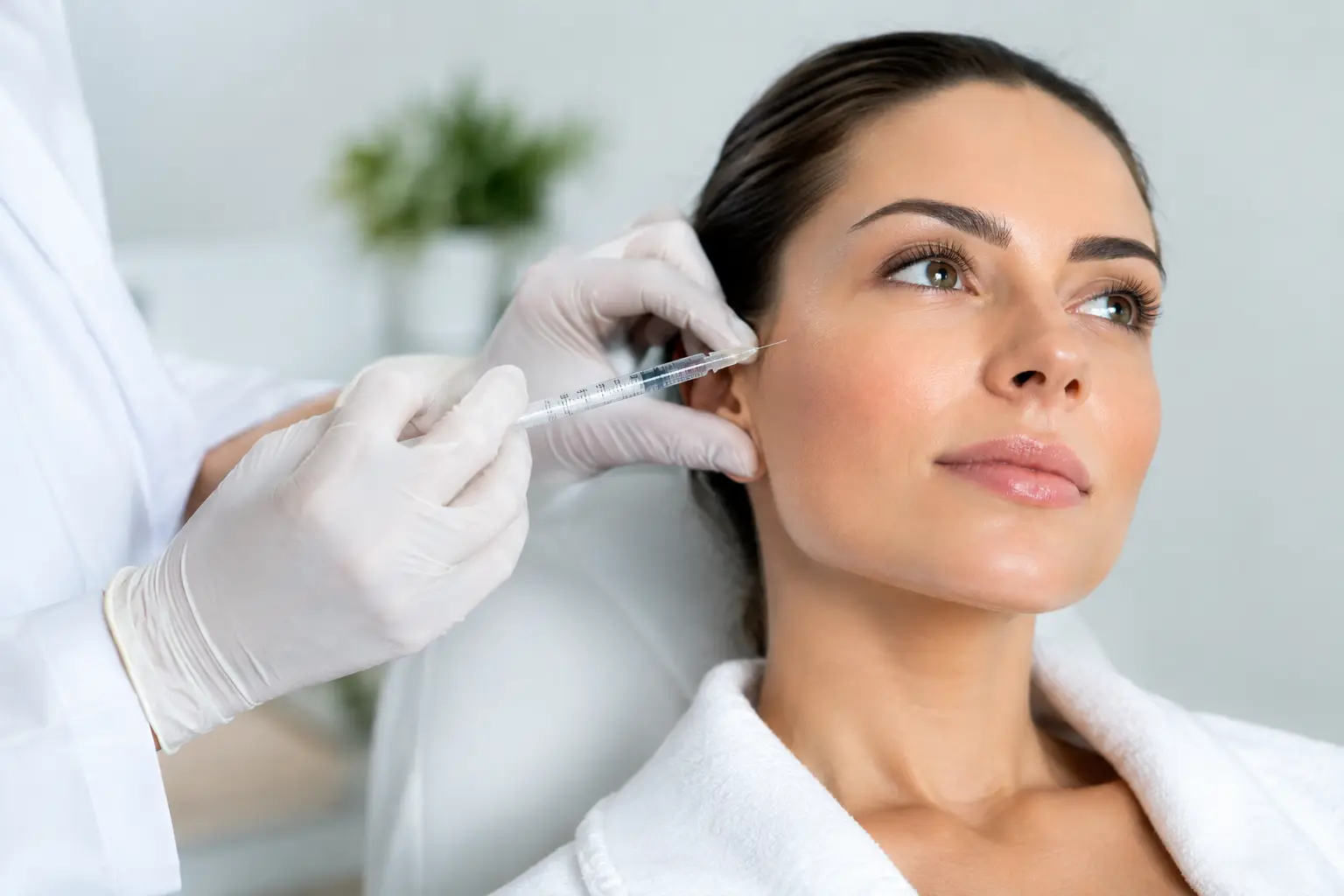
After photographs and facial assessment, the treatment area is cleansed and marked. Many injectable products contain lidocaine or may be used with topical numbing measures to improve comfort. The provider may use a needle, a blunt-tip cannula, or both, depending on the area and technique.
You may experience pressure, brief pinching, or mild discomfort. The procedure itself is often relatively quick, but the consultation and planning should never feel rushed. Precision matters more than speed.
Some biostimulator protocols include specific massage instructions after treatment. For example, your provider may recommend massaging a treated area for a defined period and frequency. Follow those instructions exactly. They are product- and treatment-specific, so do not rely on generalized advice from social media.
When Will You See Results?
This is the key trade-off: biostimulators reward patience. There may be temporary early fullness from the product or any sterile water used during treatment, but that initial appearance is not the final result. As the temporary swelling and carrier material settle, the area may look closer to baseline before collagen production becomes more noticeable.
Most clients begin seeing gradual changes over several weeks, with continued improvement over a few months. A series of appointments is often recommended, and the number of sessions varies. Someone with mild early volume loss may need a different plan than someone with more significant collagen depletion.
Longevity also varies by product, treatment area, metabolism, sun exposure, lifestyle, and the total amount used. Results may last two years or longer for some patients, but no injectable result should be promised as permanent. Maintenance planning is part of responsible aesthetic care.
Recovery, Aftercare, and Possible Side Effects
Downtime is usually limited, but you should schedule intelligently. Common short-term effects include swelling, redness, tenderness, bruising, and small bumps at injection sites. These often resolve within days, though bruising can last longer. If you have an important event, do not book treatment at the last minute.
Your provider may advise you to avoid strenuous exercise, excess heat, alcohol, or certain medications and supplements for a period before or after treatment when medically appropriate. These recommendations can help reduce bruising and swelling, but always follow the instructions given for your specific treatment.
As with any injectable procedure, there are risks. These can include infection, prolonged swelling, lumps or nodules, asymmetry, product-related reactions, and vascular complications. Serious complications are uncommon, but they are the reason product choice, injection depth, anatomy knowledge, sterile technique, and proper credentialing matter. Contact your provider promptly for unusual pain, skin color changes, increasing redness, severe swelling, or any symptom that concerns you.
Who Is a Good Candidate?
A good candidate is generally a healthy adult who wants gradual, natural-looking improvement in facial volume, contour, or skin quality and understands that results take time. Biostimulators are often a good fit for clients who prefer collagen-building strategies over frequent immediate-volume treatments.
They may not be right for everyone. Pregnancy and breastfeeding, active skin infection, certain health conditions, a history of problematic scarring, or allergies to ingredients may affect eligibility. Clients with very specific concerns, such as fine surface lines alone or a need for instant correction before an event, may benefit more from a different treatment or a staged approach.
The safest next step is a detailed consultation with an experienced injector who can explain what is realistic for your features, timeline, and budget. A well-designed biostimulator plan is not about chasing volume. It is about giving your skin and facial structure the support to age with more confidence and intention.