
Is Plasma Fibroblast Safe? What to Know First
A plasma fibroblast treatment can be appealing when you want visible skin tightening without surgery, especially around areas where laxity and fine lines are beginning to show. But the right question is not simply whether the treatment works. It is: is plasma fibroblast safe for your skin, your health history, and your ability to follow aftercare precisely?
The answer depends on the provider, the device, the treatment plan, your skin type, and the way your skin heals. Plasma fibroblast is not a casual facial add-on. It creates a controlled skin injury, which means it deserves the same thoughtful screening, sanitation, preparation, and recovery planning as any advanced aesthetic procedure.
Is plasma fibroblast safe when performed correctly?
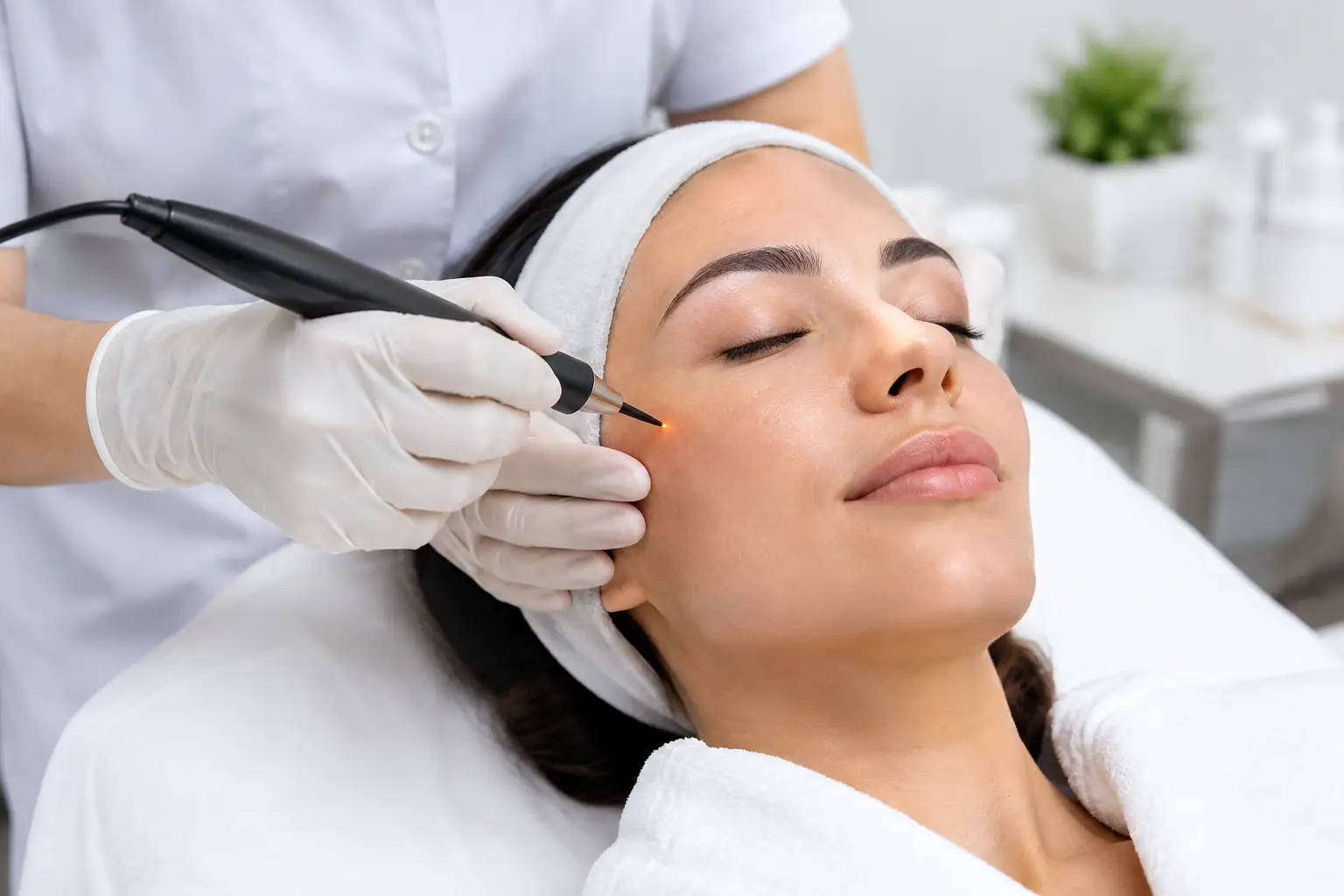
Plasma fibroblast is a nonsurgical skin rejuvenation treatment that uses a controlled electrical discharge to create a tiny plasma arc above the skin. The energy creates small, targeted points of injury on the skin’s surface. This initiates the body’s healing response and may support collagen remodeling over time.
When performed by a properly trained professional on an appropriate candidate, with a quality device and strict sanitation practices, plasma fibroblast can be performed safely. That does not make it risk-free. Every treatment that intentionally affects the skin barrier carries potential for swelling, prolonged redness, infection, pigment changes, scarring, or an unsatisfactory cosmetic result.
A qualified provider does not treat safety as a quick consent form. They assess your skin, review medications and medical history, discuss realistic outcomes, and explain whether another service may be better suited to your goals. At Vintage Lashes and Beauty Services, that standard of informed, precision-focused care matters just as much as the visible result.
What makes plasma fibroblast treatment higher or lower risk?
The most important safety factor is appropriate candidate selection. A treatment can be technically performed well and still be a poor choice for someone with a higher risk of pigment change, delayed healing, or scar formation.
Skin tone and pigmentation history deserve particular attention. Clients with more melanated skin, or anyone who has experienced post-inflammatory hyperpigmentation after acne, waxing, injury, or previous procedures, may be more likely to develop darkened areas during healing. This does not automatically mean plasma fibroblast is off the table, but it does mean the provider should proceed conservatively, discuss the risk clearly, and determine whether another treatment offers a better risk-to-benefit balance.
The location being treated also matters. The eye area, for example, is delicate and requires advanced knowledge of anatomy, conservative technique, and careful protection. Treating too aggressively does not create a better result. It can increase downtime and raise the chance of complications.
Device quality, sterile single-use components where applicable, skin preparation, and treatment depth all affect safety. So does the provider’s ability to recognize when a client should not be treated that day. A reputable professional will reschedule rather than work on irritated, sunburned, broken-out, or compromised skin.
Who may need to postpone or avoid treatment?
A consultation is essential because no online article can clear an individual for treatment. Plasma fibroblast may need to be postponed, modified, or avoided for clients who are pregnant or nursing, have an active skin infection or cold sore outbreak in the treatment area, are prone to keloid scarring, or have a condition that impairs wound healing.
Your provider should also know about uncontrolled diabetes, autoimmune conditions, immune-suppressing medications, blood-thinning medications, recent isotretinoin use, recent sun exposure, allergies to topical products, and previous reactions to aesthetic procedures. If you have a pacemaker, implanted electronic device, or any significant medical condition, get appropriate medical guidance before considering an energy-based treatment.
Honesty during screening protects your result. Do not minimize a medication, recent procedure, or history of pigmentation because you are eager to book. A provider can only make a responsible recommendation with complete information.
The healing process is part of plasma fibroblast safety
The treatment itself is only one part of the experience. Safe healing depends on what happens during the days that follow.
Immediately after treatment, swelling, warmth, tenderness, and redness are common. Swelling can be especially noticeable around the eyes and may peak during the first couple of days. Small carbon crusts, sometimes called dots, form at the treatment points. These are a normal part of the healing process and must be allowed to shed naturally.
Picking, scratching, exfoliating, rubbing, or trying to remove crusts early can increase the risk of scarring and uneven pigmentation. Makeup, sweat, heat exposure, swimming, and direct sun may need to be avoided for a period specified by your provider. Healing time varies by area, treatment intensity, and individual skin response, so it is wise to schedule around travel, weddings, professional photography, or other events where visible recovery would be inconvenient.
Sun protection is not optional after plasma fibroblast. Freshly treated skin is more vulnerable to discoloration. Once your provider confirms it is appropriate, consistent use of broad-spectrum sunscreen and physical sun protection can help protect the healing skin and preserve the investment you made in treatment.
How to choose a provider with safety in mind
Before scheduling, look beyond before-and-after photos. Images can show an attractive result, but they do not reveal how a provider screens candidates, manages sanitation, handles complications, or sets expectations.
Ask direct questions about the provider’s training and experience with plasma fibroblast, the device being used, their approach to different skin tones, and the aftercare support provided. You should also ask what results are realistic for your concern and whether your desired outcome may require a different service or a combination approach.
A thorough consultation should cover your medical history, medication use, prior procedures, daily skin care products, sun habits, and tendency toward pigmentation or scars. Your provider should explain the expected recovery in plain language, including what is normal and what would require a prompt call.
Be cautious of claims that plasma fibroblast is painless, has no downtime, works for everyone, or produces surgery-level results in every case. Numbing may improve comfort, but clients can still feel heat or brief sensations during treatment. Downtime is real, even when it is manageable. Results develop gradually as the skin heals and remodels, and the degree of improvement varies.
Signs you should contact your provider
Mild redness, swelling, and crusting can be expected, but worsening pain, spreading redness, significant warmth, pus-like drainage, fever, or blisters should not be ignored. Contact your provider promptly if something feels outside the instructions you were given. If symptoms are severe or you are concerned about an urgent reaction, seek medical care.
Follow-up is part of responsible aesthetic care. A provider who gives clear post-treatment instructions and remains available to address reasonable healing concerns offers more than a procedure. They offer accountability throughout the recovery process.
A safer way to decide if it is right for you
Plasma fibroblast can be a valuable option for the right person, but it is not automatically the best answer for every wrinkle, crease, or area of laxity. Some clients may be better candidates for microneedling, RF microneedling, chemical exfoliation, injectables, or a customized skin-quality plan. The best choice depends on your anatomy, skin condition, timeline, tolerance for downtime, and desired level of correction.
Choose a consultation that prioritizes candid guidance over a fast sale. When a provider takes the time to assess your skin, explain the trade-offs, and give you clear recovery rules, you are in a much stronger position to decide whether plasma fibroblast fits your goals.