
Best Lash Extension Cleanser: What to Use
If your lash extensions start shedding early, feel stiff at the base, or lose their soft, fluffy finish, the problem is often not the lashes themselves. It is usually aftercare. Choosing the best lash extension cleanser matters because retention, hygiene, and eye comfort all depend on what touches the lash line between fills.
A quality cleanser does more than remove makeup. It lifts oil, sweat, skincare residue, pollen, and debris from the base of the extensions without weakening the adhesive bond. That sounds simple, but not every cleanser marketed for lashes is actually designed with extension retention in mind.
What makes the best lash extension cleanser?
The best lash extension cleanser is lightweight, oil-free, and made specifically for use around eyelash extensions. It should clean thoroughly without leaving behind film, heavy conditioning agents, or irritating fragrance. Ideally, it also rinses clean so residue does not stay trapped along the lash line.
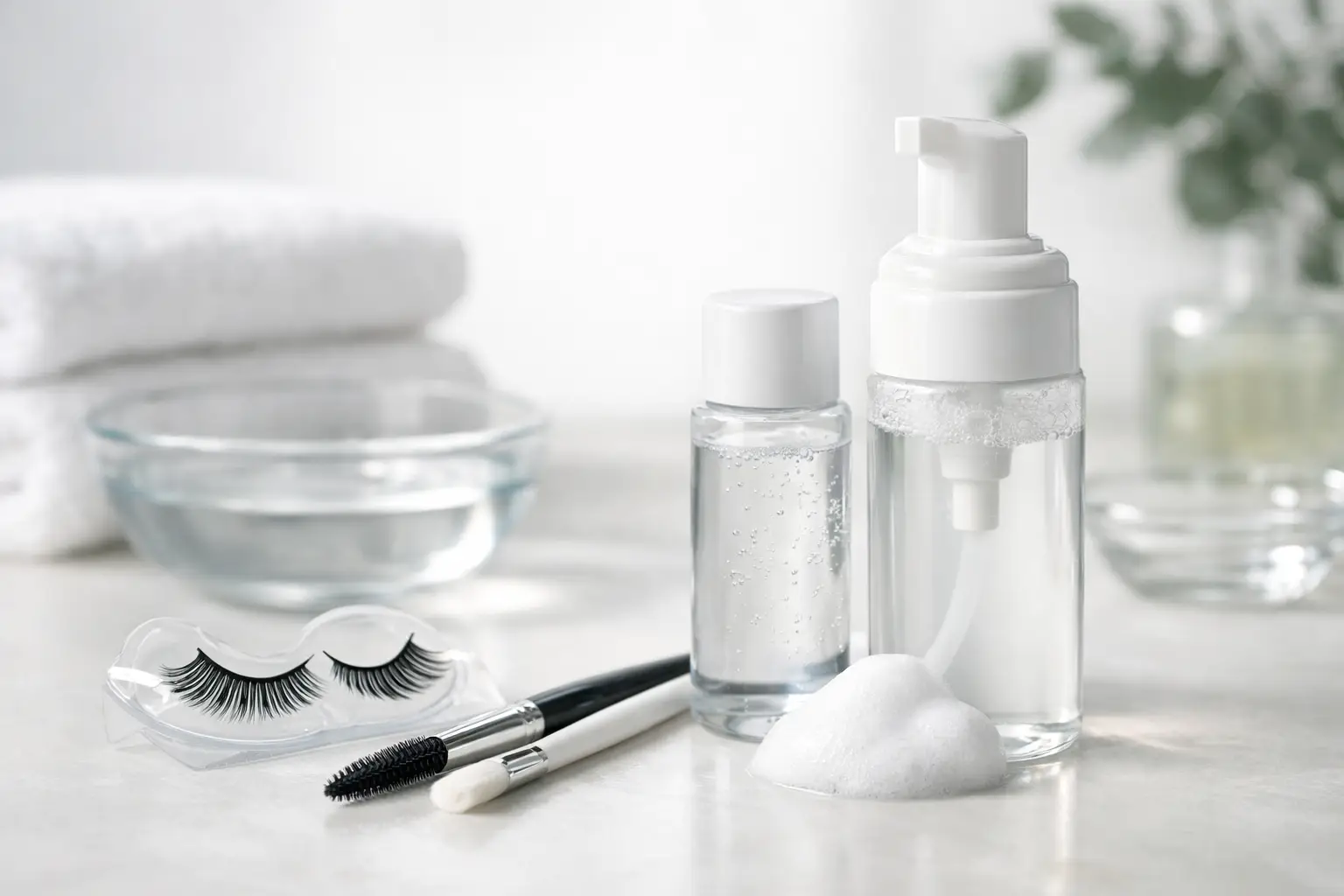
Foam cleansers are usually the most reliable option. They spread evenly, reach between lashes more easily than cream or gel textures, and reduce the temptation to rub aggressively. A cleanser can be gentle without being weak. In fact, if it does not remove buildup properly, it creates another set of problems, including lash mites, irritation, inflammation, and poor retention.
The ingredient profile matters more than packaging claims. A cleanser labeled safe for sensitive eyes can still contain moisturizing oils, rich emollients, or micellar additives that are not ideal for extension adhesive. On the other hand, a formula that is too harsh can dry the skin around the eyes and create discomfort that makes clients rub or pick at their lashes.
Ingredients to look for and what to avoid
When clients ask what separates a professional-grade product from an average face wash, the answer is usually balance. You want a formula that is strong enough to remove residue and gentle enough for regular use.
Look for mild surfactants that cleanse without stripping. You also want a product that is clearly labeled oil-free and extension-safe. A simple formula is often a good sign. The more heavily perfumed or overly conditioned a cleanser is, the more likely it is to leave residue behind.
What should you avoid? Oil-based removers are the obvious issue, but they are not the only one. Heavy creams, cleansing balms, dual-phase eye makeup removers, and some micellar waters can interfere with adhesive performance. Glycol-heavy face cleansers and exfoliating acids are also poor choices right at the lash line. They may be useful elsewhere in a skincare routine, but not where the extensions are bonded.
Waterproof mascara is another complication. Most lash extension wearers should avoid it altogether because removing it usually requires the exact types of products and friction that shorten lash life.
Why foam usually works best
Foam has become the standard for a reason. It gives controlled coverage, helps break up oils and debris, and can be worked gently through the lash line with a soft cleansing brush. That matters because the adhesive bond sits at the base of the natural lash. If buildup stays in that area, it affects both sanitation and retention.
Liquid cleansers can work, but they are easier to over-apply and harder to keep where you want them. Gel formulas may feel luxurious, but they can be too dense for extensions or harder to rinse fully. Pads and wipes are convenient, but they often create friction and can snag lash fans.
So when someone asks for the best lash extension cleanser, foam is usually the first place to start. That does not mean every foaming cleanser is a good one. It means the format supports proper lash hygiene when the formula is designed correctly.
Best lash extension cleanser features that actually matter
The best lash extension cleanser is not necessarily the most expensive or the one with the prettiest branding. What matters is performance. It should remove buildup from the lash line, rinse without residue, and feel comfortable enough to use daily.
A good cleanser should also support consistency. If a product stings, blurs vision, or leaves the eyes feeling dry, clients tend to stop using it as often as they should. That leads to accumulation along the lash line, and then retention suffers. The best product is one that is both technically appropriate and realistic for everyday maintenance.
For most extension clients, daily cleansing is the standard. If you wear eye makeup, exercise frequently, use SPF near the orbital area, or live in a humid climate like Southwest Florida, consistent cleansing becomes even more important. Heat, sweat, sunscreen, and environmental debris create buildup faster than many people realize.
How to use cleanser without damaging retention
Technique matters almost as much as the cleanser itself. Even a well-formulated product will not help if it is used too aggressively.
Start with clean hands. Apply the foam to a lash cleansing brush or fingertip, then gently work it along the lash line and through the extensions using downward and side-to-side motions. Avoid scrubbing, twisting, or pressing hard at the base. The goal is to clean the lashes, not rough up the bond.
Rinse thoroughly with water. This step gets skipped more often than it should. Any remaining cleanser can dry at the base and attract more residue. After rinsing, pat the area dry with a lint-free towel and brush through the lashes once they are mostly dry. If you use a fan on a cool setting, keep airflow gentle and directed downward.
Clients are sometimes told to avoid washing lash extensions often. That advice is outdated. Clean lashes retain better than dirty lashes when the right products and methods are used.
Common mistakes when choosing a lash cleanser
One of the biggest mistakes is assuming that any gentle face wash is fine for extensions. Many are not. A cleanser can be excellent for skin and still be wrong for the adhesive bond.
Another common issue is relying on baby shampoo. Years ago, it was often recommended as a budget option. Today, it is generally not the preferred standard for professional lash aftercare. It may not match the pH needs of the eye area, and it can leave lashes feeling dry or coated depending on the formula.
Some clients also overcorrect by avoiding the eye area entirely. That creates a sanitation problem. Lash extensions need regular cleaning because they collect everything your natural lashes collect, plus more. Makeup, oil, dead skin, and environmental debris do not simply disappear because extensions are present.
The last mistake is waiting until lashes feel dirty. By then, buildup is already established. The best results come from routine maintenance, not occasional deep cleaning.
Who may need a different approach?
Not every client needs the exact same cleansing schedule. If you have oily skin, wear under-eye concealer daily, or spend time outdoors in heat and humidity, you may need more attention to cleansing than someone with a minimal routine. If you have sensitive eyes, allergies, or a history of irritation, product selection becomes even more specific.
This is where professional guidance matters. An experienced lash artist can usually tell whether a retention issue is related to adhesive, application, natural lash cycle, home care, or a product conflict. Clients often assume the lashes are the issue when the real problem is the cleanser, the makeup remover, or the way products are layered around the eye.
At a specialist-driven studio like Vintage Lashes and Beauty Services, aftercare is treated as part of the service, not an afterthought. That approach protects both the appearance of the set and the health of the natural lashes underneath.
So what should you buy?
Choose a cleanser that is clearly made for lash extensions, specifically oil-free, and preferably in a lightweight foam format. Keep the formula simple. Avoid anything marketed as rich, creamy, waterproof-removing, or intensely moisturizing around the lash line.
If you are deciding between a trendy beauty product and a cleanser recommended by a trained lash professional, trust the product selected for extension retention and sanitation. Lash aftercare is not the place to experiment based on packaging alone.
The right cleanser keeps extensions cleaner, fluffier, and more comfortable to wear. Just as important, it protects your investment between appointments. When lashes are applied with precision, the aftercare should be just as disciplined.
The best closing question is not which cleanser is most popular. It is which one helps your extensions stay clean, your eyes stay comfortable, and your fills last the way they should.