
How to Care for Lash Extensions Between Fills
A beautiful full set can lose its polished effect quickly when oil, makeup residue, friction, or skipped fills get in the way. Knowing how to care for lash extensions protects the precision of your application, supports healthy natural lashes, and helps you get the most from every appointment.
Extensions are attached to individual natural lashes, not the skin. Your natural lashes continue through their normal shedding cycle, so some extension loss is expected. The goal of proper aftercare is not to stop shedding. It is to prevent premature loss caused by buildup, weakened adhesive bonds, or unnecessary pulling.
Care for Lash Extensions Starts the First Day
Your lash artist will give you specific instructions based on the adhesive and technique used for your set. Follow those instructions first. In many cases, clients should avoid steam, saunas, hot yoga, swimming, and direct water exposure for the first 24 hours while the adhesive finishes curing. Some professional adhesive systems have different curing recommendations, which is why personalized aftercare matters.
After that initial period, water is not the enemy. In fact, clean lashes retain better than lashes coated in oil, sweat, or makeup. The concern is prolonged heat, heavy steam, and aggressive rubbing. If you live an active Southwest Florida lifestyle or spend time at the pool, rinse away sunscreen, saltwater, chlorine, and perspiration promptly, then cleanse your lashes correctly.
Do not pick at lashes that feel loose, twisted, or ready to shed. A natural lash may be attached to that extension, and pulling can remove it before its normal growth cycle is complete. If something feels uncomfortable, sharp, or visibly out of place, contact your lash professional rather than trying to correct it at home.
Clean Your Lashes Every Day
The most overlooked part of lash extension aftercare is cleansing. A clean lash line helps prevent residue from collecting around the follicles, where it can contribute to irritation, itching, and poor retention. Clients who wear eye makeup, use facial sunscreen, exercise regularly, or have naturally oilier skin may need to be especially consistent.
Use a lash-extension-safe, oil-free cleanser and a soft cleansing brush designed for the eye area. Work the cleanser gently through the lash line and extension bases with downward motions. Rinse thoroughly with cool to lukewarm water, then pat around the eyes dry with a clean, lint-free towel. A cool setting on a hair dryer, held at a comfortable distance, can also help dry lashes without friction.
Avoid cleansing with cotton pads or fluffy cotton swabs that can snag extension fans. Do not scrub side to side. The base of each extension is bonded to a single natural lash, and rough movement can weaken that bond or twist the extension.
Why Makeup Residue Causes Problems
Mascara, eyeliner, concealer, powder, and sunscreen can migrate to the lash line even when you are careful. Over time, this residue can create a sticky film that makes lashes look clumped, dull, or uneven. It can also make daily brushing less effective.
If you wear eyeliner, choose a lash-safe formula and keep it above the extension base whenever possible. Waterproof eye makeup is usually a poor choice because removing it often requires oil-based products or repeated rubbing. For most extension clients, skipping mascara entirely produces the cleanest, longest-lasting result. A properly designed classic, hybrid, or volume set should provide the definition you want without it.
Be Careful With Oils, Creams, and Facial Treatments
Oil-based products near the eyes can interfere with adhesive retention. Check the ingredients in eye creams, makeup removers, cleansing balms, facial oils, and certain sunscreens. You do not need to avoid every moisturizing product on your face, but apply richer formulas carefully and keep them away from the lash line.
This is particularly relevant for clients who invest in facials, skin rejuvenation, or at-home active skincare. Discuss upcoming treatments with your provider in advance. Some services require you to avoid eye makeup, steam, face-down positioning, or rubbing around the eyes for a period of time. Your esthetic or medical provider and lash artist can help you schedule services in an order that protects both your skin results and your lashes.
Do not use eyelash curlers on extensions. Mechanical curlers can crimp, break, or pull both the extensions and your natural lashes. Heat tools are not appropriate either. Your artist selects a curl pattern during the application to complement your eye shape and desired look.
Sleep and Daily Habits Affect Retention
Side and stomach sleepers often notice more shedding on the side pressed into the pillow. You do not need to completely change how you sleep, but reducing nightly friction can make a visible difference. A smooth pillowcase, a contoured sleep mask made for lash extensions, or gradually training yourself to sleep more on your back may help preserve fullness between fills.
During the day, keep hands away from your eyes. Rubbing is one of the fastest ways to create gaps in a set. Seasonal allergies can make this difficult, so plan ahead. Use doctor-approved allergy management, cool compresses around but not directly on the extensions, and gentle cleansing to remove pollen and irritation-causing residue.
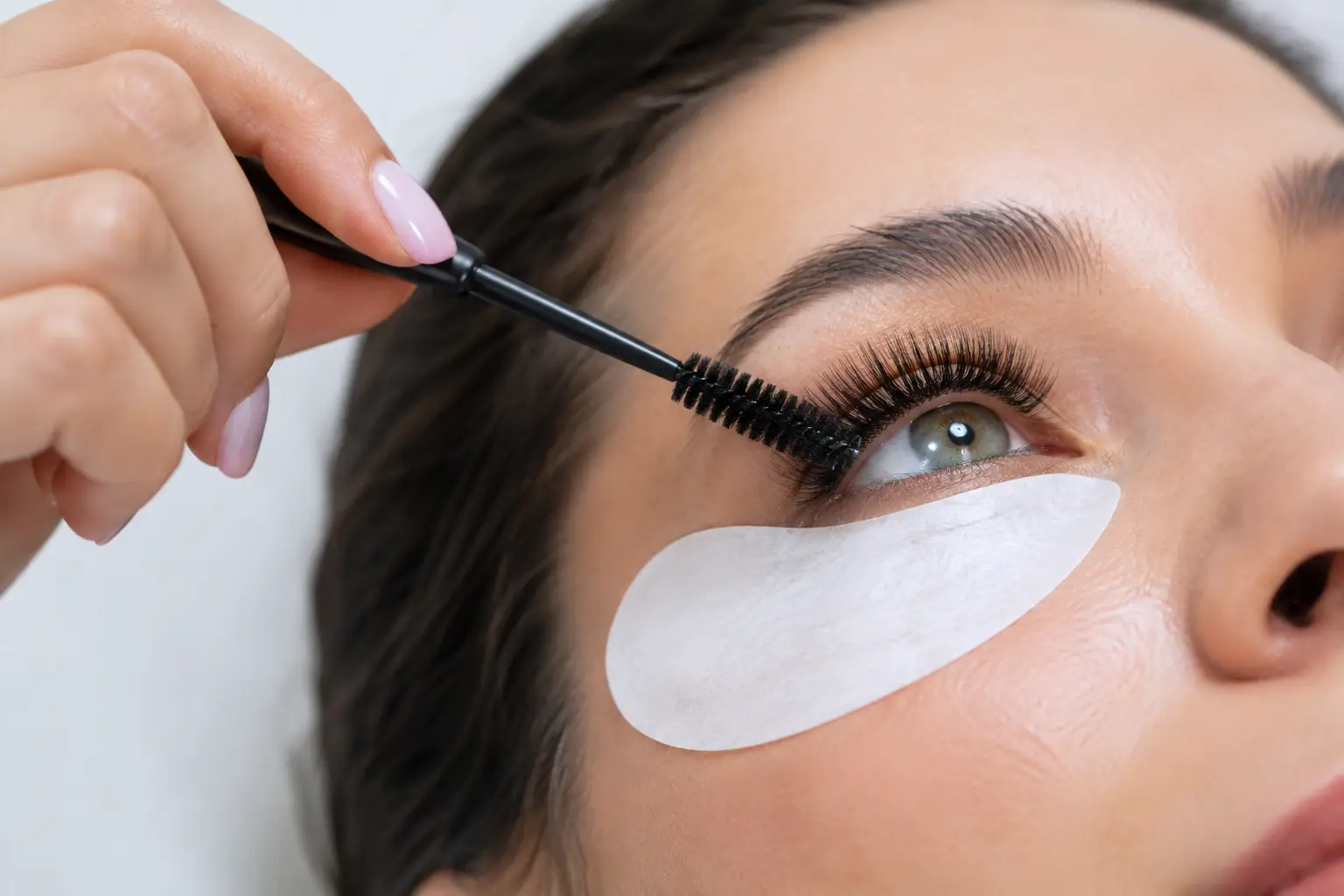
Brushing is useful, but it should be light and intentional. Use a clean spoolie once or twice a day after cleansing and drying. Brush from the middle of the lash outward and upward. Do not force the brush through a tangle at the base. If lashes repeatedly cross, flip, or feel stuck together, schedule an assessment.
Sports, Swimming, and Humid Weather
Lash extensions can fit an active routine, but they require a little discipline. Wear goggles when swimming if possible, especially in chlorinated pools. Rinse and cleanse afterward rather than allowing chlorine, salt, sweat, or sunscreen to remain at the lash line.
Humidity alone does not automatically cause extensions to fall out. Adhesive performance depends on many factors, including application conditions, your natural skin oil levels, home care, and normal lash shedding. Naples-area heat and humidity simply make regular cleansing, gentle drying, and timely maintenance even more worthwhile.
Keep Your Refill Schedule Realistic
Most clients benefit from fills every two to three weeks. The right schedule depends on your natural lash cycle, extension style, daily routine, and the amount of fullness you prefer. Volume sets may show spacing differently than classic sets, even when both are shedding normally.
Waiting too long between appointments can turn a regular fill into a more extensive service or require a new full set. It also makes it harder for your artist to maintain consistent styling as your remaining lashes grow out at different stages. Booking your next visit before leaving is the simplest way to protect your look and your preferred appointment time.
Arrive to refills with clean lashes and no eye makeup. This allows your artist to assess retention accurately, remove grown-out extensions safely, and focus the appointment on creating a balanced set rather than spending valuable time removing buildup.
Know When to Contact Your Lash Professional
Mild awareness of new extensions can happen in the first day or two, especially if you are new to lashes. Pain, persistent burning, swelling, unusual redness, crusting, or a sudden change in vision are not normal aftercare concerns. Contact your lash professional promptly for guidance. If symptoms are severe or involve your vision, seek medical care.
Do not attempt to remove extensions with oils, tweezers, or at-home adhesive removers. Professional removal protects your natural lashes and reduces the risk of getting remover into the eye. At Vintage Lashes and Beauty Services, safe application, sanitation, isolation, and proper removal are treated as part of the service, not optional extras.
Your extensions should make getting ready feel easier, not create a maintenance problem. Clean them gently, protect them from friction and oily residue, respect your refill schedule, and let a trained professional handle anything that does not look or feel right. Those simple habits keep your lashes soft, defined, and ready for every appointment in between.