
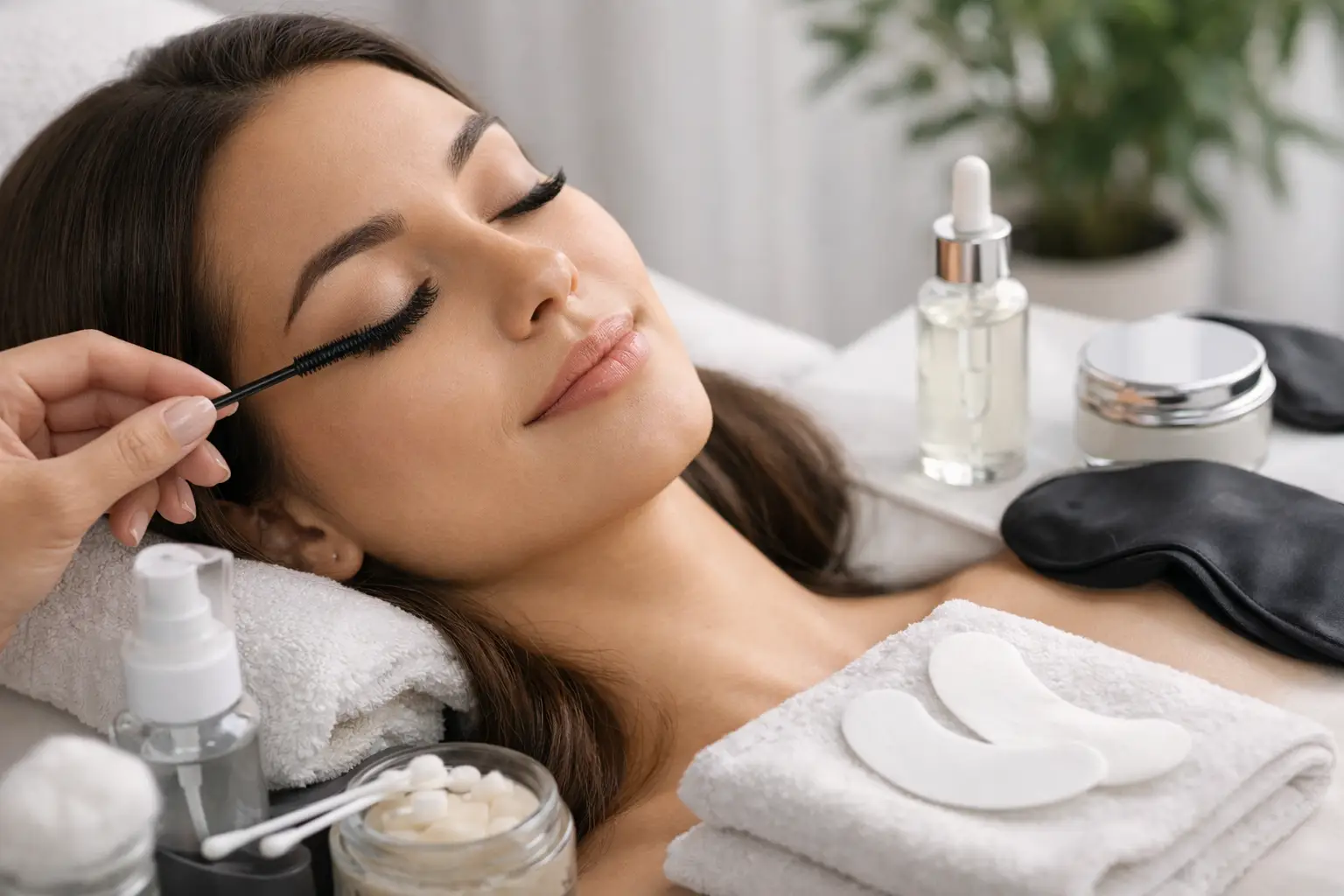
Complete Guide to Lash Aftercare That Protects Your Set
A beautiful set of lash extensions should look soft, clean, and securely attached – not twisted, clumped, or shedding before its time. This complete guide to lash aftercare explains the daily habits that protect your investment, support healthy natural lashes, and help your technician create the polished result you expect at every refill.
Lash retention is not determined by adhesive alone. Precision application, proper isolation, and clean technique matter at the appointment, but what happens at home matters just as much. Natural lashes shed on their own growth cycle, and extensions shed with them. Good aftercare will not stop normal shedding, but it can prevent premature loss caused by oil, makeup buildup, friction, heat, and poor cleansing.
The First 24 Hours Set the Standard
Follow the specific instructions provided by your lash artist first, particularly if your set was finished with a professional bonder or if you have sensitive eyes. In most cases, modern professional adhesives can tolerate normal exposure to water after curing, but rubbing, steam, and excessive heat are still poor choices immediately after an appointment.
For the first day, avoid long hot showers, saunas, steam rooms, and direct high heat around the eye area. Do not pick at a lash that feels unfamiliar or brush aggressively to force it into place. If one extension seems turned or bothersome, contact your technician. Trying to remove or reposition it yourself can pull on the natural lash and compromise the surrounding extensions.
Clean Lashes Last Better
The most common aftercare mistake is avoiding water because you are afraid of losing extensions. Clean lashes are healthier lashes. Oils, sunscreen, sweat, tears, eye cream, and makeup residue collect along the lash line. Left in place, that buildup can weaken the adhesive bond, cause extensions to stick together, and create an environment that is uncomfortable for the eyes.
Clean your extensions every day, and cleanse them more thoroughly after makeup, exercise, beach days, or time around smoke and dust. Use a lash-safe, oil-free cleanser recommended for extensions. Apply it with a soft cleansing brush or clean fingertip, working gently along the lid and lash line. Rinse thoroughly with cool to lukewarm water, then pat the area dry with a lint-free towel or allow it to air-dry.
Do not scrub back and forth across the lashes. A gentle downward motion is more controlled and less likely to catch extensions. Once dry, use a clean spoolie to brush the lashes from the middle to the tips. Brushing wet extensions can distort the fan or place unnecessary tension on the adhesive bond.
Why oil-free matters
Oil-based removers, balms, heavy eye creams, and some sunscreens can migrate into the lash line. Depending on the formula and how often it is used, they may soften the adhesive connection and lead to faster shedding. This does not mean you must skip skincare. It means keeping rich products below the orbital bone and applying them carefully so they do not transfer into the extensions.
If your favorite eye product is essential to your routine, discuss it with your lash artist. The right approach depends on the product, your skin type, and the style of extensions you wear.
Makeup and Skincare Without the Buildup
Extensions reduce the need for mascara, which is one reason many clients choose them. Regular mascara, especially waterproof formulas, is difficult to remove completely and can leave residue at the base of the lashes. It may also make classic extensions or volume fans stick together.
If you choose to wear eye makeup, keep it light and extension-compatible. Avoid waterproof mascara, oil-based eyeliner, cream shadows that migrate into the lash line, and glitter products that are difficult to cleanse away. Powder shadow applied carefully to the lid is generally easier to remove than heavy cream formulas, but every product must still be washed off fully at the end of the day.
Never use a traditional mechanical lash curler on extensions. It can crimp, break, or pull natural lashes. Your lash artist can adjust the curl, length, or styling at a future appointment if you want a more lifted appearance.
Sleep, Showers, and Everyday Friction
Your lashes are durable enough for normal life, but repeated pressure has consequences. Sleeping face-down or pressing your eyes into a pillow can bend extensions, close volume fans, and cause one side to shed faster than the other. Side sleepers often notice more wear on the side they favor.
A silk or satin pillowcase can reduce friction, though it is not a replacement for proper cleansing and refill appointments. If you wear a sleep mask, choose one with a contoured shape that leaves clearance around the lashes. Flat masks that compress the eye area can damage the styling overnight.
In the shower, let water run over your face rather than standing with your lashes directly under a strong stream for an extended period. After swimming, cleanse your lashes to remove chlorine, salt, sunscreen, and poolside debris. This is especially useful for clients in Naples and Southwest Florida, where outdoor time, humidity, and pool days are part of the routine.
Do Not Pick, Pull, or Remove Extensions at Home
A loose extension can be tempting to pull, especially when it catches your attention in the mirror. Resist that urge. Lash extensions are attached to individual natural lashes, and pulling can remove a natural lash before it is ready to shed. It can also create gaps that are harder to blend until your next refill.
Do not use strip-lash adhesive, drugstore lash remover, scissors, or tweezers to correct a problem at home. Professional removal is the safest option when you need a full set removed, have an allergic reaction, or want to transition to a different style. An experienced technician can use the appropriate remover while protecting the natural lash line.
Know What Is Normal and What Needs Attention
Seeing a few extensions shed daily is normal because your natural lashes are continuously cycling. You may notice more shedding during seasonal changes, periods of stress, illness, hormonal shifts, or after starting certain medications. Retention can also vary between clients with oily skin, frequent workouts, watery eyes, or a very active lifestyle.
What is not normal is persistent burning, swelling, significant redness, pain, discharge, or intense itching. If those symptoms occur, do not try to cover them with makeup or wait for a refill. Contact your lash provider promptly for guidance, and seek medical care when symptoms are severe, worsening, or accompanied by vision changes.
Mild awareness of a new set can happen when you are not used to extensions. Sharp poking, tightness, or lashes pulling on the lid should be assessed. A properly applied set should feel lightweight and comfortable in daily wear.
Plan Refills Around Your Natural Lash Cycle
Most clients benefit from a refill every two to three weeks. The ideal timing depends on your natural shedding pattern, extension style, home care, and how full you prefer your lashes to look. Classic sets may show gaps differently than fuller handmade volume fans, so your maintenance schedule should be personalized rather than copied from someone else.
Arrive for your refill with clean lashes and no eye makeup. This gives your technician time to assess retention, remove grown-out extensions safely, cleanse the lash line, and rebuild the design with proper balance. Arriving with mascara or heavy residue can shorten the usable appointment time and affect the finished result.
If you have lost a substantial portion of the set, you may need more time than a standard refill allows. Booking honestly protects the quality of your service. A rushed appointment is not the place to compromise on isolation, sanitation, or styling.
Aftercare Protects Both Results and Safety
Premium lash work is a combination of artistry and discipline. The extensions should complement your eye shape and lifestyle, but their longevity depends on consistent care between appointments. Clean them, keep oil and heavy buildup away from the adhesive area, avoid pressure and pulling, and schedule maintenance before the set becomes sparse.
When something feels different, ask early rather than experimenting at home. A quick professional assessment can protect your natural lashes and keep your next set looking as refined as the day it was applied.