
9 Filler Migration Prevention Tips
You usually do not realize how much placement matters until filler starts to look puffy, blurred, or slightly off from where it was intended to sit. That is why filler migration prevention tips matter long before treatment day. The best results are not just about adding volume – they depend on product selection, injector technique, facial anatomy, and the way you care for the area afterward.
Migration is one of the most misunderstood concerns in aesthetic medicine. Clients often assume any swelling, asymmetry, or fullness outside the target area means the filler has moved. Sometimes that is true. Sometimes it is retained fluid, normal early swelling, or filler that was simply placed too superficially or in too much quantity from the start. A careful assessment matters, because prevention begins with accurate expectations.
What filler migration actually means
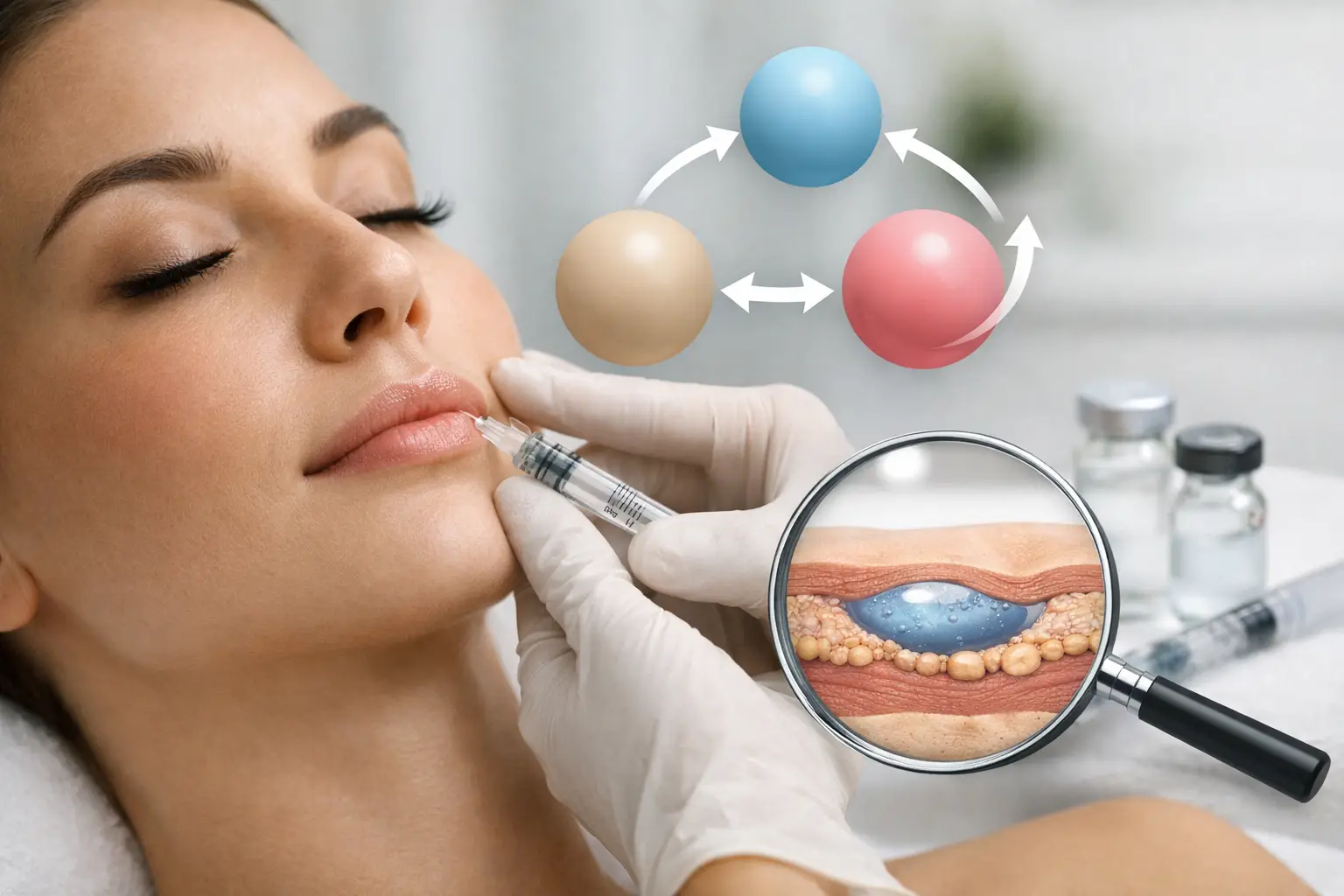
Filler migration happens when filler sits outside the intended treatment area or creates a spread of volume that does not look anatomically precise. Lips are the most talked-about example, especially when product starts to blur the border above the lip. But migration can also happen in the under-eye area, cheeks, chin, and around fine lines if the wrong product or technique is used.
Not every area carries the same risk. Dynamic zones that move constantly, such as the mouth, are more vulnerable than more structurally stable areas. Thin skin can also make poor placement more obvious. The takeaway is simple: prevention is less about one trick and more about a series of correct decisions.
Filler migration prevention tips start with injector selection
If you want natural-looking, stable results, your first decision is the provider. An experienced injector does more than place filler. They evaluate facial movement, skin thickness, support structures, prior filler history, and whether filler is even the right treatment for your goal.
A rushed appointment or bargain treatment often costs more later. Migration risk increases when injections are performed without a strong understanding of anatomy, product rheology, tissue planes, and dosage discipline. In many cases, the issue is not that filler mysteriously traveled. It is that too much product was placed in a delicate area, placed in the wrong plane, or layered too often without enough time between appointments.
A qualified provider should be able to explain why they are choosing a specific filler, where it will sit, how much is appropriate, and what maintenance timeline makes sense for your face rather than for a generic social media trend.
The right product matters more than most clients realize
Different fillers behave differently. Some are softer and spread more easily, which can be useful in certain areas but problematic in others. Some are firmer and better for structural support. Using a product designed for one part of the face in a completely different area can increase the chance of a heavy or migrated look.
This is especially relevant for lips and under-eyes. A filler that seems attractive because it promises softness may not hold shape well in a highly mobile zone. On the other hand, a filler that is too firm for thin skin can create visibility, irregular texture, or an unnatural contour. Product choice should match the tissue, movement, and goal.
This is one reason experienced injectors tend to be conservative. A subtle first treatment allows the tissue to adapt and gives both client and provider a chance to assess how the filler is settling before adding more.
How overfilling leads to migration
One of the most effective filler migration prevention tips is also the least flashy: do less. Overfilling stretches tissue, reduces definition, and creates pressure in areas that cannot support large volumes gracefully. Once that happens, the result can look diffuse rather than refined.
Lips are a common example. Clients may want dramatic change in one session, but lip anatomy sets limits. If the skin envelope is tight, repeatedly adding filler can flatten the natural shape and encourage product to sit beyond the ideal borders. The same principle applies to the tear trough, where too much filler can attract water and create ongoing puffiness that gets mistaken for migration.
A better approach is gradual correction. Build in stages, reassess, and respect what the tissue can actually hold. Precision usually outperforms volume.
Timing between appointments matters
Frequent touch-ups are not always better. In fact, stacking filler too close together can create cumulative volume that never had time to fully settle. Clients sometimes seek a small correction while the area is still swollen, then end up with more product than intended.
Waiting for swelling to resolve gives a clearer picture of the true result. It also allows your provider to determine whether a concern is actual filler deficiency, asymmetry, or simply post-treatment inflammation. Patience is part of prevention.
If you have had filler from multiple providers over time, that history becomes even more important. Old product may still be present longer than expected. Treating a face as if it is starting from zero can lead to overcorrection.
Aftercare affects your results
Good aftercare cannot fix poor technique, but it can support proper settling. For the first day or two, avoid unnecessary pressure on the treated area. That means no aggressive massage unless your injector specifically instructs it, no intense facial treatments, and no habits that compress the area for long periods.
Heat, strenuous exercise, and alcohol right after treatment can worsen swelling and make the area look more distorted in the short term. That does not automatically cause migration, but it can complicate healing and your ability to judge the result accurately. Follow the post-care instructions you were given, because they are based on the area treated and the technique used.
If you are prone to swelling, say so before treatment. A provider can factor that into planning, especially in areas where fluid retention easily affects the final look.
Facial movement and anatomy change the plan
A skilled injector treats the face that is in front of them, not a standard template. Strong muscle movement, thinner tissue, previous filler, scar tissue, and age-related volume loss all influence where and how product should be placed.
This is why copying someone else’s lip shape or cheek structure rarely works. Prevention depends on anatomical respect. In some clients, a very modest amount of filler creates beautiful definition. In others, that same amount in the same pattern could look heavy or unstable because the tissue support is different.
Clients with a history of recurrent swelling, very thin skin, or prior migration may need an even more conservative plan. Sometimes the right answer is dissolving old filler before adding anything new. Sometimes the better option is a biostimulator or another treatment category entirely, depending on the concern.
When a different treatment is the smarter choice
Not every volume concern should be treated with filler. Fine lines caused by skin texture, poor elasticity, or sun damage may respond better to skin rejuvenation treatments. A drooping lower face may need structural support strategies rather than more softness in already heavy tissue. If movement is creating the issue, neuromodulators may play a role instead of adding filler.
This matters because filler used as a catch-all solution often leads to the overdone look clients want to avoid. A comprehensive provider looks at skin quality, facial balance, and movement patterns before recommending a plan. That protects both your appearance and your investment.
Signs you should not ignore
If you notice fullness appearing outside the intended area weeks or months after treatment, book a professional assessment. The same goes for persistent puffiness, a blurred lip border, visible bumps, or asymmetry that does not improve once swelling is gone.
Do not self-diagnose based on social media. Massage, facial tools, and home remedies can make some situations worse. Migration is treatable, but the right response depends on whether the issue is true movement, swelling, poor placement, or leftover product from previous appointments.
A better standard for filler results
The best injectable work rarely announces itself. It restores proportion, refines contours, and respects the way your face moves. That standard comes from disciplined technique, thoughtful product selection, and clients who understand that more is not always better.
For patients in Naples and surrounding areas seeking polished, long-lasting outcomes, the strongest filler migration prevention tips are straightforward: choose an experienced injector, use the right product for the right area, avoid overfilling, allow proper time between visits, and follow aftercare carefully. Beautiful results are built on precision, not excess.
If you are considering filler, ask better questions before you book. Ask what product is being used, why that area is appropriate, how much is planned, what your tissue can realistically support, and what maintenance should look like. That kind of clarity is often the difference between filler that quietly enhances and filler that eventually needs to be corrected.