
How Many Microneedling Sessions Needed?
One treatment can make skin look fresher, but that is not the same as completing a corrective plan. If you are asking how many microneedling sessions needed, the honest answer is usually a series, not a single appointment. The exact number depends on what you are treating, how aggressive the treatment is, and how your skin responds between visits.
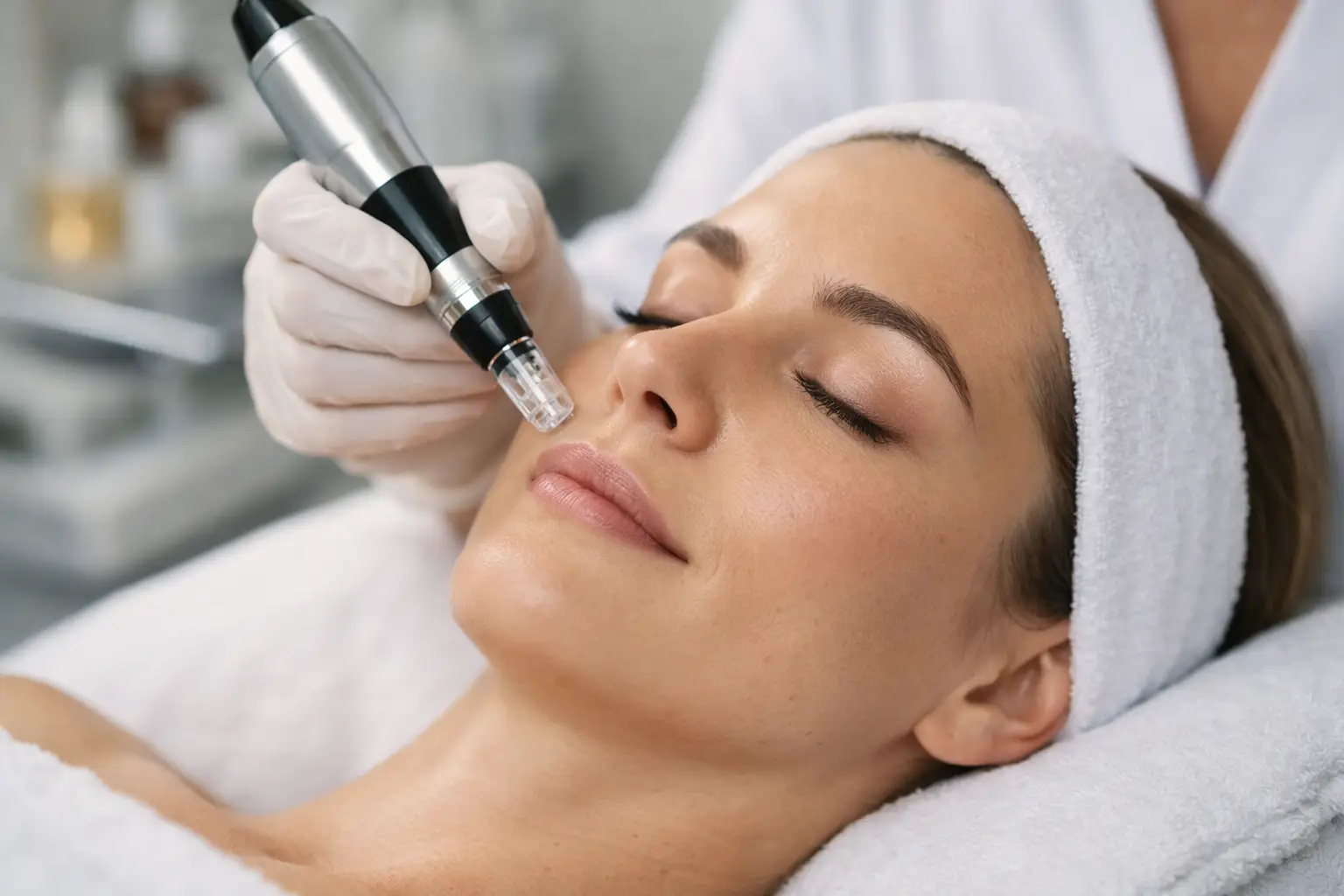
Microneedling works by creating controlled micro-injuries in the skin, which signals the body to start a repair process. That repair response supports collagen and elastin production over time. Because collagen remodeling is gradual, results build in layers. This is why experienced providers set expectations around treatment plans rather than promising dramatic change after one session.
How many microneedling sessions are needed for most people?
For general skin rejuvenation, most clients need about 4 to 6 microneedling sessions. Treatments are commonly spaced 4 to 6 weeks apart so the skin has enough time to heal and remodel before the next appointment. If your goal is brighter texture, mild pore refinement, or a refreshed overall appearance, you may fall on the lower end of that range.
If you are treating deeper acne scarring, more advanced sun damage, or visible texture irregularities, the number often increases. In those cases, 6 or more sessions may be appropriate, especially if your provider is building a progressive plan based on how your skin tolerates treatment. Some clients also benefit from maintenance sessions a few times per year after the initial series is complete.
The key point is that microneedling is cumulative. A single appointment can be worthwhile before an event if you want a temporary glow once healing is complete, but most corrective benefits come from consistency.
Your skin concern matters more than your age
People often assume the answer is based mainly on age. In practice, your primary skin concern is a better guide.
Fine lines and early skin laxity
If you are targeting early signs of aging, such as crepey texture, mild fine lines, or a loss of firmness, 3 to 4 sessions is often a reasonable starting point. These concerns typically respond well because the skin does not need as much structural correction as scar tissue does.
Acne scars and uneven texture
Acne scarring usually requires more patience. Depressed scars, rolling scars, and long-standing texture changes do not remodel overnight. Many clients need 4 to 6 sessions, and some need more depending on scar depth and skin quality.
Hyperpigmentation and sun damage
Pigment can be more complicated. Microneedling may improve the appearance of certain types of uneven tone, but not every discoloration issue should be treated the same way. In some cases, a provider may alternate microneedling with other skin treatments to get better results while protecting the skin barrier. That is why a customized plan matters.
Stretch marks
Stretch marks can improve with microneedling, but they usually require a longer treatment course. A series of 4 to 6 sessions is common, sometimes more depending on the location and age of the marks.
Why one person needs four sessions and another needs six
The number of treatments is not just about what you are treating. It is also about treatment depth, device selection, add-on therapies, and your body’s healing response.
A lighter microneedling session focused on glow and surface refinement may require more frequent maintenance because it is less aggressive. A more advanced treatment, such as RF microneedling, may produce stronger tightening and texture benefits in fewer sessions for the right candidate. PRP may also be paired with microneedling in some plans to support recovery and enhance overall skin quality.
Your provider should also consider skin sensitivity, active breakouts, recent sun exposure, and your post-care habits. If aftercare is poor, healing can be delayed and results may be less predictable. Clients who protect their skin, follow product restrictions, and stay consistent with appointments usually get the most out of their series.
How many microneedling sessions needed with RF or PRP?
This is where treatment type really matters.
Traditional microneedling often falls in the 3 to 6 session range for visible improvement. RF microneedling may require fewer sessions for concerns like laxity, deeper wrinkles, and more advanced texture because it combines mechanical injury with radiofrequency heat delivered into the skin. Many clients see meaningful improvement in 3 to 4 RF microneedling sessions, though severe concerns can still need additional treatment.
Microneedling with PRP is often chosen by clients who want support for healing and a stronger rejuvenation-focused plan. The PRP does not automatically mean fewer sessions for everyone, but it can enhance the overall treatment strategy. In many cases, clients still complete a series of around 4 to 6 sessions depending on goals.
A qualified provider should explain why a specific method fits your skin rather than offering the same protocol to every client.
When you will start seeing results
Most clients notice some early improvement in skin texture and radiance after the first session once the initial redness and dryness have passed. That early result is encouraging, but it is not the final outcome. The more meaningful changes usually show up after several weeks as collagen production ramps up.
For many people, the skin starts looking more consistently smooth and refined after the second or third session. Scar revision and firmness changes usually take longer. Full results can continue developing for months after the final treatment in your series.
This delayed payoff is one reason realistic planning matters. If you want improvement before a wedding, vacation, or social season, waiting until the last minute is not ideal.
Signs your treatment plan may need adjusting
A good microneedling plan is structured, but it should not be rigid. Skin does not always respond on a fixed timeline.
If your skin is healing slowly, staying reactive for too long, or not improving as expected, your provider may need to adjust the depth, timing, or treatment combination. If your main concern turns out to be better treated with a chemical peel, plasma fibroblast, injectables, or a collagen-stimulating treatment plan, that should be discussed openly.
This matters because more sessions are not always the answer. Sometimes the better answer is a different modality or a combined approach.
How to get the most from each session
The quality of your result is not only about how many appointments you book. It is also about what you do before and after treatment.
Come in with skin that has not been overexposed to the sun and follow all pre-treatment instructions carefully. After treatment, keep the skin clean, avoid heat and excessive sweating as directed, use only approved products, and stay diligent with sun protection. Do not assume that because microneedling is common, aftercare is optional. It is part of the treatment.
In a professional medspa setting, the difference is often in the details – consultation quality, sanitation protocols, correct needle depth, treatment timing, and clear aftercare guidance. That is especially important for clients investing in advanced skin rejuvenation and expecting visible, polished results.
Is maintenance necessary after your first series?
Usually, yes. Once you complete an initial corrective series, maintenance helps protect the improvement you worked for. Many clients schedule a follow-up treatment every 3 to 4 months depending on age, skin goals, sun exposure, and the type of microneedling performed.
Think of it the same way you would think about fitness or skincare. Collagen support is not a one-time event. The skin continues aging, lifestyle factors continue to show up, and maintenance keeps momentum going.
For clients in Naples and surrounding areas who are balancing sun exposure, outdoor living, and anti-aging goals, this becomes even more relevant. A structured maintenance plan is often what separates a short-term boost from long-term skin quality.
If you are wondering how many microneedling sessions needed for your skin, the best answer is usually 4 to 6 to start, with the final number based on your concern, treatment type, and response. The smartest next step is not guessing – it is getting a professional evaluation that matches the treatment to the result you actually want.