
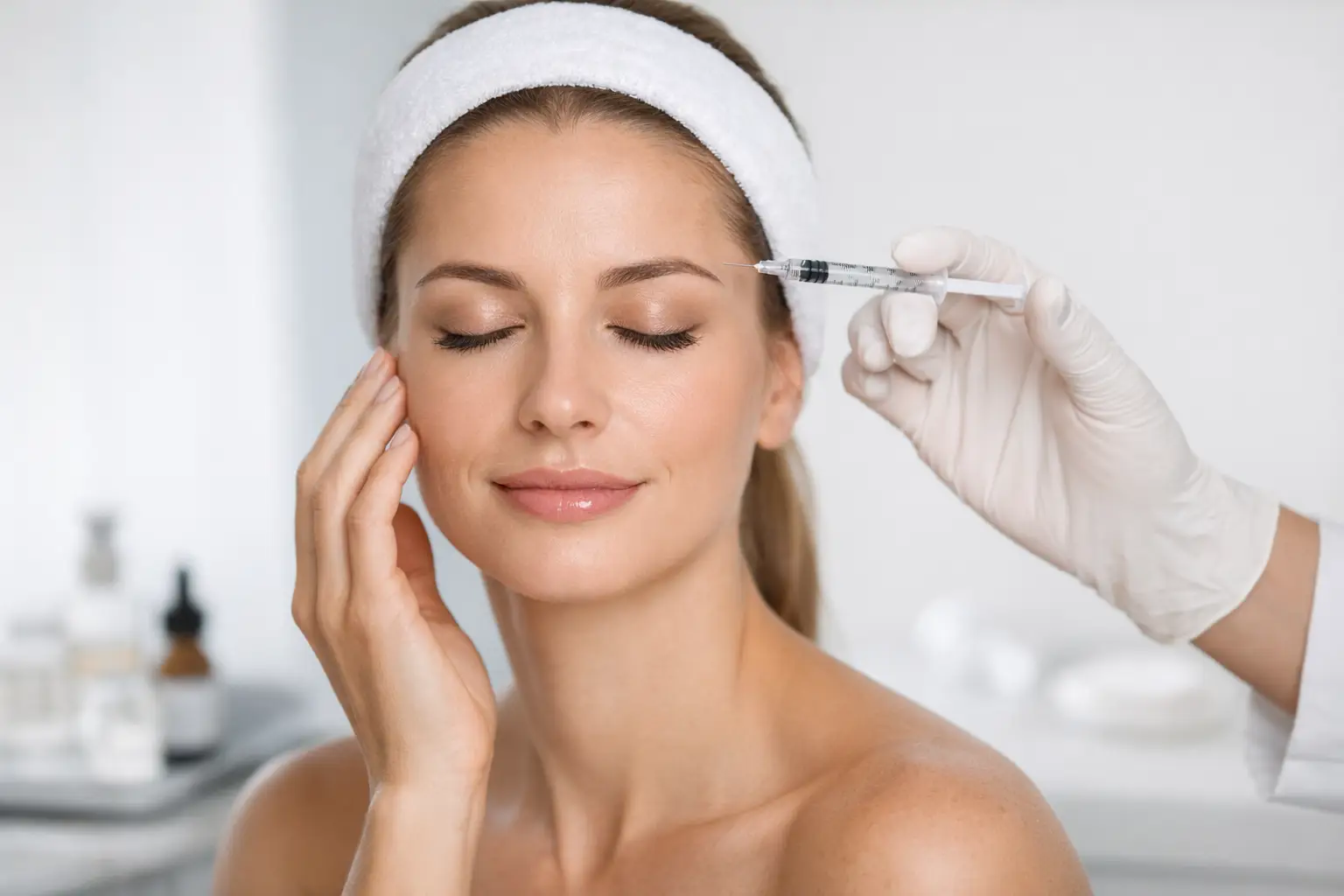
How to Prepare for Botox the Right Way
A Botox appointment is quick. Good Botox planning is not. If you want smooth, balanced results and the lowest chance of avoidable bruising or post-treatment frustration, knowing how to prepare for botox matters more than most first-time clients realize.
The best outcomes usually start before you ever sit in the treatment chair. Preparation helps your provider assess your facial movement accurately, lowers the chance of small complications like bruising, and makes it easier to follow the right timing if you have an event, photos, travel, or other treatments on your calendar. Botox is a medical aesthetic treatment, not a last-minute beauty errand.
How to prepare for botox before your appointment
Start with timing. If you have a wedding, reunion, work event, vacation, or photoshoot, do not book your first Botox treatment a day or two before. While many clients return to normal activity quickly, your body still needs time to settle. Tiny injection marks, mild swelling, or occasional bruising can happen, and the full cosmetic result is not immediate. In most cases, you want a buffer rather than a rushed timeline.
If this is your first treatment, schedule early enough that your provider can assess your baseline and, if needed, make small refinements later. Experienced injectors plan around facial anatomy, muscle strength, movement patterns, and your goals. The right result is not just fewer lines. It is a controlled, natural-looking change that fits your face.
Your consultation is the time to be specific. Say what bothers you, but also say what you do not want. Some clients want a very soft reduction in movement. Others want a stronger smoothing effect in the forehead, glabella, or crow’s feet. Both can be valid goals. What matters is clear communication, realistic expectations, and an injector who prioritizes symmetry, dosing discipline, and safety.
Medications, supplements, and bruising risk
One of the most overlooked parts of how to prepare for botox is reviewing what you take regularly. Certain medications and supplements can increase the chance of bruising. That does not mean you should stop anything on your own. It means you should disclose everything accurately.
Prescription blood thinners, aspirin, ibuprofen, naproxen, fish oil, vitamin E, ginkgo biloba, garlic supplements, and some other products may affect bruising for some clients. If a medication was prescribed by your physician, do not discontinue it unless that physician tells you to. Your injector needs the full picture so they can advise you properly and set expectations.
Alcohol is another factor. It is smart to avoid it for at least 24 hours before your appointment unless your provider gives different instructions. Alcohol can increase flushing and may make bruising more likely. If you tend to bruise easily, that detail matters.
Hydration is helpful, but do not confuse hydration with a cure-all. Drinking water supports general wellness, yet it will not override poor timing, heavy alcohol use the night before, or a medication issue you forgot to mention.
Skin care and treatment timing
Come to your Botox appointment with clean skin if possible. Heavy makeup, self-tanner on the face, and occlusive products are not ideal when the treatment area needs to be properly cleansed and assessed. If you are coming from work, your provider can guide you, but a clean face makes things easier.
Plan your skin treatments carefully in the days around Botox. Aggressive exfoliation, chemical peels, microneedling, laser treatments, and other procedures may need spacing. Your injector should know what you have done recently and what you have scheduled next. In a full-service beauty and medspa setting, this is especially important because treatment timing affects comfort, skin condition, and your overall result.
Even a simple facial may be worth discussing if it is booked very close to your injection appointment. The issue is not that every treatment conflicts. The issue is that sequencing matters. Skin that is irritated, inflamed, or freshly treated may not be ideal on the day of injections.
If you are sick, reschedule. A cold, sinus infection, active rash in the treatment area, or anything else that affects your health or facial tissues should be disclosed before your visit. A professional practice would rather move the appointment than treat at the wrong time.
What to tell your injector
Your medical history is part of treatment planning, not paperwork filler. Tell your provider if you are pregnant, breastfeeding, have a neuromuscular disorder, have had prior facial surgery, have allergies, or have had a previous reaction to botulinum toxin products. Also mention if you have had Botox recently elsewhere, because timing and dose history matter.
Be honest about previous aesthetic work. Existing filler, threading, skin-tightening treatments, and other procedures can influence how your provider evaluates your face. A strong injector does not guess. They assess based on full information.
Photos can help, especially if your concern is that one side of the forehead lifts more than the other, your brows sit unevenly in pictures, or your crow’s feet are more visible under certain expressions. Still, your in-person facial movement matters most. Your injector will want to see how your muscles work at rest and in motion.
The day of your Botox appointment
Eat normally unless you were given a specific instruction not to. Coming in lightheaded, rushed, or stressed does not help. Wear comfortable clothing, arrive on time, and give yourself enough margin so the appointment feels controlled, not squeezed between obligations.
If you are prone to anxiety with injections, say so. That is useful information, not a problem. A calm environment, good positioning, and clear communication can make the visit much easier.
Skip intense exercise right before your appointment. Showing up overheated and flushed is not ideal. It is also wise not to schedule your treatment immediately before a sauna session, beach day, or anything else that exposes you to heavy heat or vigorous physical activity right after.
This is also the time to ask practical questions. When can you work out again? When can you lie down? Can you wear makeup after? What should you avoid touching? Exact aftercare instructions can vary slightly by provider and treatment area, so ask before you leave rather than relying on internet advice later.
What to expect after treatment
Most Botox appointments are well tolerated, but that does not mean you should expect an instant transformation. Botox takes time to bind and gradually reduce muscle activity. Some people notice early changes within a few days, but full results often take longer.
Mild redness, tenderness, or small bumps at the injection sites can happen shortly after treatment and often fade fairly quickly. Bruising is possible even with excellent technique, especially if you are naturally prone to it. This is one reason proper preparation and disclosure matter.
Try not to judge the result too early. Day-one assumptions are often wrong. Facial movement changes over the first several days, and early asymmetry does not always mean a problem. A skilled provider will usually tell you when to check back in and whether a follow-up assessment is appropriate.
How to prepare for botox if it is your first time
First-time clients often focus on one question: Will I look frozen? Usually, that depends less on Botox itself and more on dosing, placement, anatomy, and expectations. A precise injector can create a refined result that softens lines while preserving expression. But if you ask for a heavy result or ignore your provider’s guidance, the outcome may feel less natural.
It also helps to understand what Botox cannot do. It does not replace skin resurfacing, volume restoration, or surgery when those are the real issue. Fine lines caused by movement often improve very well. Deep etched lines may soften but not disappear completely. Brow position can sometimes be influenced, but not every brow concern should be treated with toxin alone. This is where expert evaluation matters.
If your provider works within a broader treatment plan, that is usually a good sign. Many clients benefit from combining Botox with appropriate skin care, medical-grade rejuvenation treatments, or other services over time. Not because more is always better, but because the right treatment should match the actual cause of the concern.
At Vintage Lashes and Beauty Services, that planning mindset is part of what clients value. Precision, sanitation, timing, and honest guidance are what protect results.
A well-prepared Botox appointment feels simple because the details were handled ahead of time. If you choose an experienced injector, disclose your health history clearly, follow pre-care instructions, and give yourself proper timing, you set the stage for a smoother treatment and a result that looks intentional, polished, and like you on a very good day.