
Naples VI Peel Guide: Results, Recovery, Timing
A well-timed chemical peel can do more than create a temporary glow. For clients dealing with sun-related discoloration, uneven texture, breakouts, or early visible aging, a professionally selected peel can support a clearer, more refined complexion. This Naples VI peel guide explains what the treatment does, what recovery really looks like, and how to decide whether it fits your skin goals and schedule.
What Is a VI Peel?
VI Peel is a professional chemical peel system designed to exfoliate damaged outer layers of skin and encourage cellular renewal. Depending on the formula selected, it may address concerns such as fine lines, dullness, acne, acne-related discoloration, melasma, visible pores, uneven tone, and rough texture.
The treatment uses a blend of medical-grade acids and skin-supporting ingredients. Rather than treating every complexion the same way, a qualified provider evaluates the skin concern, skin type, current skincare routine, recent treatments, and history of pigmentation before recommending an option.
That consultation matters. A peel chosen only because it is popular may not be the right peel for active acne, highly reactive skin, a history of post-inflammatory hyperpigmentation, or a client who has an important event in a few days. Precision begins before the first layer is applied.
Naples VI Peel Guide: Who May Benefit
Many Southwest Florida clients seek peel treatments after months of high UV exposure, humidity, sunscreen inconsistency, or simply noticing that their skin no longer reflects how well they care for themselves. A VI Peel may be appropriate for adults who want visible skin renewal without the downtime associated with more aggressive resurfacing procedures.
It can be especially helpful for clients with persistent sun spots, uneven pigmentation, congested skin, mild to moderate acne, superficial acne marks, or a complexion that looks dull despite regular facials and quality home care. It is also a practical option for someone preparing for a larger skin-rejuvenation plan, provided treatments are properly spaced.
However, a VI Peel is not automatically right for everyone. Clients who are pregnant or nursing, have open skin lesions, are experiencing an active herpes outbreak, have recently used certain prescription acne medications, or have had recent waxing, laser treatment, or aggressive exfoliation may need to postpone or select another service. Your provider should also know about any history of cold sores, allergies, sensitivity reactions, and pigment changes after prior treatments.
What Happens During the Appointment
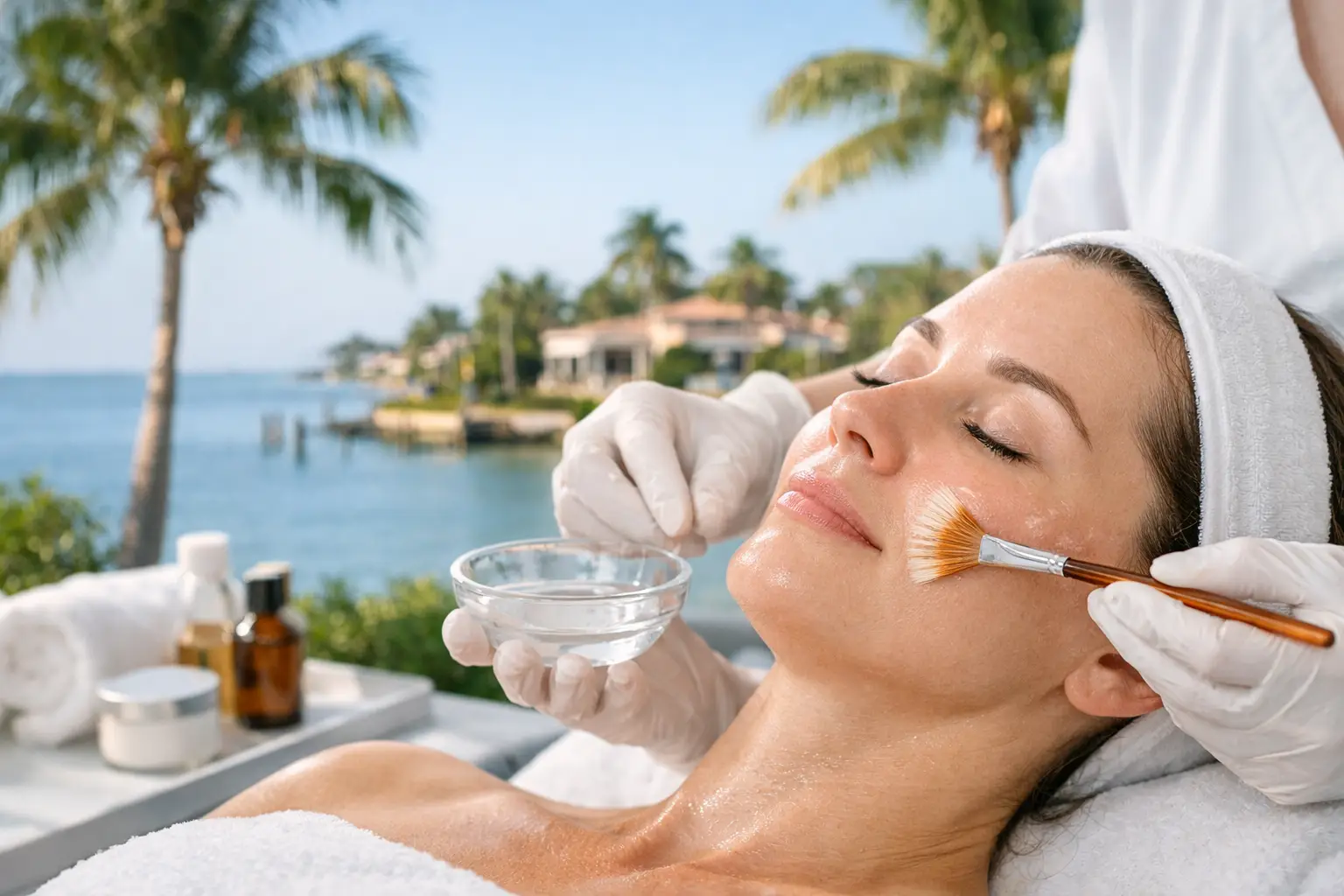
A VI Peel appointment is efficient, but it should never feel rushed. The skin is cleansed and degreased so the solution can apply evenly. Your provider then applies the peel in controlled layers based on your skin’s needs and tolerance.
Most clients feel warmth, tingling, or a prickly sensation during application. This is usually brief. Some formulas may be applied in several passes, and your provider will watch the skin’s response throughout the process rather than following a one-size-fits-all approach.
After the peel, you leave with clear instructions and a post-treatment care kit or recommended aftercare regimen. The first several hours are part of the treatment process, so follow instructions carefully regarding when to wash your face and which products to use. Do not add extra acids, retinoids, scrubs, or “corrective” products because you think the peeling should happen faster. That can compromise the skin barrier and interfere with results.
The VI Peel Recovery Timeline
Peeling is not a sign that the treatment is working better than expected. Some clients peel heavily, while others experience lighter flaking, yet both can see meaningful improvement. Skin type, formula selection, hydration, home care, and the condition of the skin barrier all affect what you see.
For many clients, the timeline looks roughly like this:
- Day 1: The skin may feel tight, look slightly red or bronzed, and appear glossy. Avoid heat, heavy exercise, sweating, steam rooms, and direct sun exposure.
- Days 2-3: Flaking often begins around the mouth, nose, or cheeks. Skin can feel dry and tight.
- Days 3-5: Peeling may become more noticeable. Resist the urge to pick, pull, exfoliate, or use a washcloth to remove loose skin.
- Days 5-7: Most visible peeling begins to settle. Fresh skin may look brighter and smoother, but it still needs gentle care and strict sun protection.
Plan your treatment around your real calendar, not an ideal one. If you have a wedding, photo session, beach vacation, business presentation, or social event where makeup needs to sit perfectly, schedule the peel at least one to two weeks beforehand. Some clients need a little more time, particularly if they are prone to dryness or stronger visible flaking.
Aftercare Protects Your Investment
The result of a peel is shaped by what happens at home. During recovery, your skin is more vulnerable to irritation and UV damage. In Naples, where sun exposure is part of daily life for many residents and seasonal visitors, this is not optional.
Use only the aftercare products approved by your provider. Keep the skin moisturized as directed, cleanse gently, and apply broad-spectrum sunscreen consistently. A hat and shade are smart additions, especially when you are outdoors near the water, driving, or spending time on a golf course. Heat and sun can aggravate redness and raise the risk of unwanted pigmentation changes after a peel.
Avoid retinol, retinoids, exfoliating acids, benzoyl peroxide, facial scrubs, waxing, and facial hair removal until your provider confirms it is safe to resume them. Do not schedule another exfoliating facial, microneedling treatment, or laser procedure during the immediate recovery period without professional guidance. Layering treatments too closely is not advanced skincare. It is an avoidable way to create irritation.
When Will You See VI Peel Results?
Once the peeling phase settles, clients often notice smoother texture, a brighter surface, and more even-looking tone. Acne-prone skin may appear clearer, while pigmentation may look less pronounced over time. Results can continue to develop as the skin completes its renewal cycle.
The extent of change depends on the original concern. A single peel can create a refreshed appearance, but deeper discoloration, melasma, chronic acne, and established sun damage often respond best to a professionally planned series combined with disciplined home care. A peel cannot replace daily sunscreen, and no treatment can permanently stop pigment from returning when skin is repeatedly exposed to UV light.
For some clients, a VI Peel fits well between other aesthetic services. For others, a provider may recommend a different treatment first to stabilize acne, improve hydration, or address sensitivity. The best protocol is the one that protects skin health while moving steadily toward the result you want.
How to Prepare for Your Peel
Preparation starts with an honest consultation. Share every product and medication you use, including prescription skincare, supplements, injectables, and recent aesthetic treatments. Stop using any products your provider identifies as too irritating before your appointment, and arrive with clean skin unless you are told otherwise.
Avoid excessive sun exposure before treatment. Skin that is sunburned, inflamed, or compromised is not ready for a chemical peel. If you are planning a series, consistency matters more than intensity. Allow the proper interval between appointments so your skin can recover and respond safely.
At Vintage Lashes and Beauty Services, skin treatments are approached with the same standards of technical precision, sanitation, and aftercare education that guide every service. The goal is not simply to make skin peel. It is to select an appropriate protocol, set realistic expectations, and help you care for your results long after the appointment ends.
A VI Peel can be a smart reset for skin that looks weathered, congested, or uneven, but the strongest results come from thoughtful timing and professional guidance. Give your skin the recovery time it deserves, protect it from the Florida sun, and let visible improvement happen on a healthy schedule.