
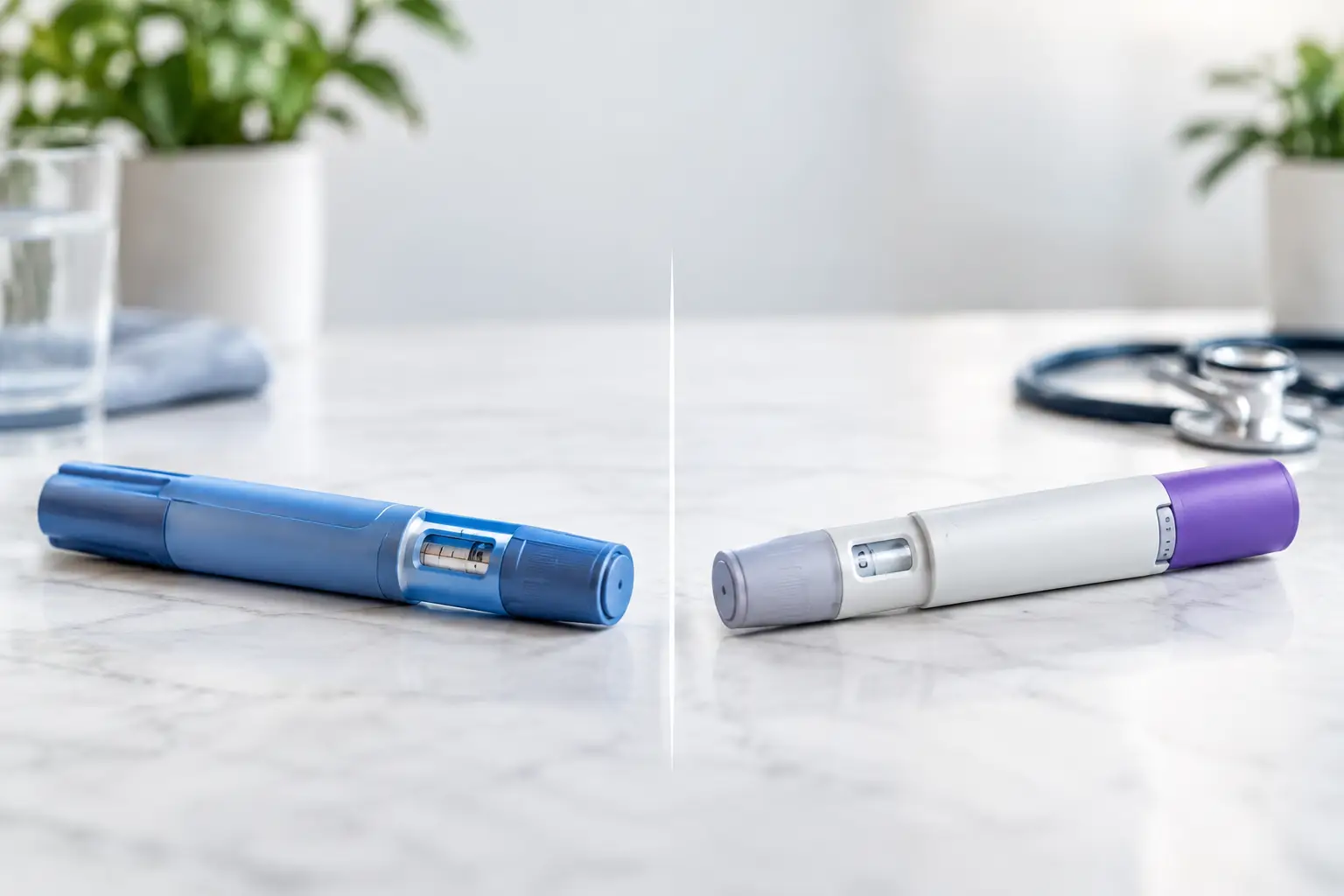
Semaglutide Versus Tirzepatide: Key Differences
A medication consultation should never begin and end with, “Which one works faster?” When comparing semaglutide versus tirzepatide, the better question is which treatment best fits your health history, weight-management goals, tolerance for side effects, budget, and ability to stay consistent with follow-up care. Both medications can be highly effective, but they are not interchangeable.
For clients who invest thoughtfully in their appearance, health, and long-term maintenance, medical weight management deserves the same disciplined approach as any advanced aesthetic treatment. Results depend on expert prescribing, appropriate screening, nutrition and activity habits, and realistic expectations about what happens after the first few months.
Semaglutide versus tirzepatide: the meaningful difference
Semaglutide and tirzepatide are once-weekly injectable medications in a class often associated with GLP-1 treatment. They can reduce appetite, improve feelings of fullness, and support blood-sugar regulation. However, they do not work through exactly the same pathways.
Semaglutide is a GLP-1 receptor agonist. It mimics glucagon-like peptide-1, a natural hormone involved in appetite, digestion, and insulin response. Wegovy is the semaglutide product approved for chronic weight management in qualifying adults and certain adolescents. Ozempic also contains semaglutide, but it is approved for type 2 diabetes and related health indications, not specifically as a weight-loss prescription.
Tirzepatide activates both GLP-1 and GIP receptors. GIP, or glucose-dependent insulinotropic polypeptide, is another hormone involved in metabolic regulation. This dual action is the primary clinical distinction between tirzepatide and semaglutide. Zepbound is approved for chronic weight management in qualifying adults, while Mounjaro is approved for type 2 diabetes.
Neither medication is a cosmetic shortcut. They are prescription treatments that require medical oversight, careful dose escalation, and an ongoing plan for nutrition, muscle preservation, activity, and maintenance.
How results may differ
Tirzepatide has generally produced greater average weight loss than semaglutide in clinical studies, particularly at higher maintenance doses. In a direct head-to-head trial of adults with obesity or overweight without diabetes, participants receiving tirzepatide had greater average weight loss at 72 weeks than those receiving semaglutide.
That data is useful, but averages are not guarantees. One person may respond exceptionally well to semaglutide and experience difficult side effects with tirzepatide. Another may find that tirzepatide provides stronger appetite control and better metabolic results. Starting weight, insulin resistance, diabetes status, medication dose, sleep, stress, food intake, activity level, and adherence all influence the outcome.
The timeline matters as well. Both medications are started at lower doses and increased gradually. This titration process is designed to help the body adjust and reduce gastrointestinal side effects. A person may not reach an effective maintenance dose for several months, so judging success after only a few injections can be misleading.
Weight loss should also be evaluated beyond the scale. A qualified provider may monitor waist circumference, blood pressure, glucose markers, lipids, energy, strength, digestion, and changes in lean body mass. A lower number on the scale is not the only measure of a successful treatment plan.
Side effects and tolerance deserve equal attention
The most common side effects of both semaglutide and tirzepatide are gastrointestinal. Nausea, vomiting, diarrhea, constipation, abdominal discomfort, reflux, and reduced appetite can occur, especially when beginning treatment or increasing a dose. Some patients experience mild symptoms that improve with time. Others need a slower escalation schedule, a dose adjustment, or a different medication.
Practical habits can make a meaningful difference. Smaller meals, adequate hydration, slower eating, sufficient protein, and avoiding high-fat or very large meals may reduce discomfort. Alcohol can worsen nausea or dehydration for some patients. Severe or persistent vomiting, intense abdominal pain, symptoms of dehydration, or signs of an allergic reaction require prompt medical attention.
Because both medications slow gastric emptying, they can affect how quickly some oral medications are absorbed. This is particularly relevant for patients taking medications with narrow dosing requirements. Tirzepatide may also affect the reliability of oral hormonal birth control during dose increases, so patients should discuss backup contraception options with their prescribing clinician.
A polished result is not worth pushing through symptoms that compromise hydration, nutrition, or day-to-day function. The correct dose is not necessarily the highest dose. It is the dose that balances meaningful progress with tolerability and safety.
Who should use caution or avoid treatment
Semaglutide and tirzepatide are not appropriate for everyone. A prescriber should review personal and family medical history, current medications, previous weight-loss attempts, eating patterns, and relevant lab work before treatment begins.
These medications carry a boxed warning related to thyroid C-cell tumors observed in rodents. They are generally contraindicated for people with a personal or family history of medullary thyroid carcinoma or multiple endocrine neoplasia syndrome type 2. They may also be unsuitable for people with a history of certain pancreatitis concerns, severe gastrointestinal disease, significant gallbladder issues, or active eating disorders, depending on the individual clinical situation.
Pregnancy and plans for pregnancy should be part of the conversation from the start. Weight-loss medications are not used during pregnancy, and the timing for discontinuing treatment before trying to conceive should be discussed directly with a medical professional. Breastfeeding, kidney disease, liver conditions, diabetic retinopathy, and insulin or sulfonylurea use may also require added caution and monitoring.
This screening is not administrative paperwork. It is the foundation of safe treatment.
Choosing between semaglutide and tirzepatide
The most appropriate medication is often determined by a few practical factors: medical history, treatment goals, expected response, side-effect tolerance, insurance coverage, and medication availability. A patient with type 2 diabetes may have different priorities than a patient focused primarily on chronic weight management. Someone with substantial weight to lose may be especially interested in tirzepatide’s higher average results, while another person may prefer semaglutide based on prior experience, coverage, or tolerance.
Cost deserves an honest discussion. Insurance coverage for weight-management medications varies widely, and cash-pay pricing can be significant. A treatment plan that is medically appropriate but financially impossible to maintain is not a sustainable plan. Ask about expected monthly cost, follow-up visits, lab monitoring, refill timing, and what happens if coverage changes.
Patients should also be cautious about compounded versions, online-only programs with limited medical oversight, and products promoted without clear sourcing or follow-up standards. Medication quality, prescribing credentials, dosage accuracy, and access to a clinician when symptoms arise all matter. A legitimate plan includes more than a shipment and a text reminder.
Protecting your results while on treatment
Rapid weight loss can include loss of lean muscle if protein intake and resistance training are neglected. For patients who care about body shape, skin quality, and long-term function, preserving muscle is essential. Adequate protein, strength-focused movement, hydration, sleep, and regular nutritional guidance should be treated as part of the prescription, not optional extras.
Some patients also notice changes in facial fullness as they lose weight. This is not inherently negative, but it is one reason aesthetic planning should be individualized. Weight should be reasonably stable before making major decisions about treatments intended to restore volume or refine facial balance.
Stopping either medication can lead to increased appetite and weight regain, particularly without a maintenance strategy. That does not mean the medication has failed. Obesity and metabolic dysfunction are often chronic conditions, and many people need long-term support. Discuss maintenance dosing, lifestyle structure, and a contingency plan before discontinuation becomes necessary.
The right choice between semaglutide and tirzepatide is the one made with complete information, qualified medical supervision, and a plan you can realistically maintain. Bring your questions, your medication list, and your actual goals to the consultation. Precision at the beginning creates a safer, more satisfying path forward.