
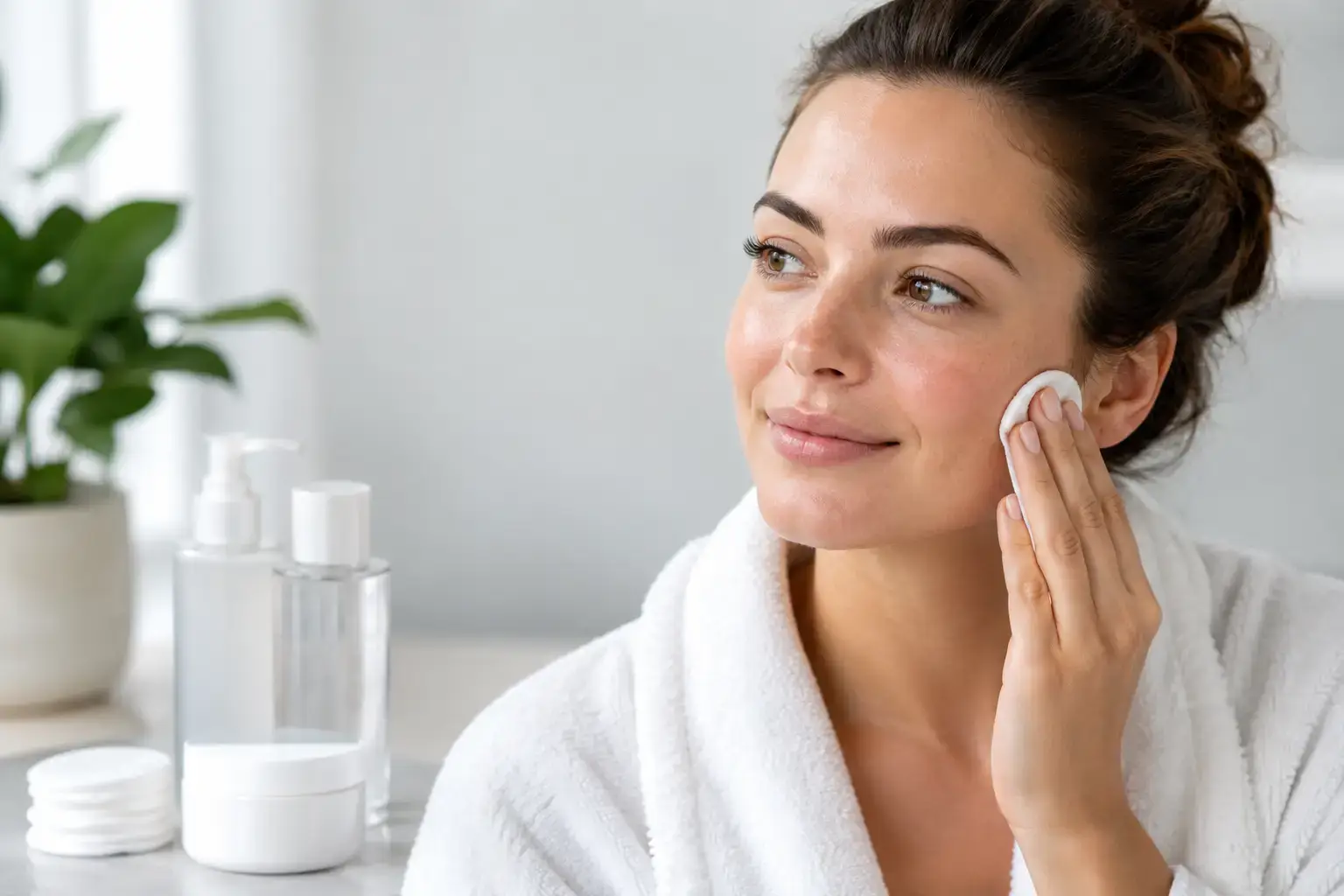
VI Peel Aftercare Guide for the First 7 Days
A VI Peel can be a smart choice when your goal is clearer, brighter, more even-looking skin without the downtime of more aggressive resurfacing. The trade-off is that your results depend heavily on what happens after the appointment. This VI Peel aftercare guide explains the recovery process, the habits that protect healing skin, and the mistakes that can turn a normal peel into unnecessary irritation.
Your provider’s written instructions always come first. Peel protocols, skin sensitivity, the specific VI Peel selected, and any added services can affect the products and timing recommended for you. Treat aftercare as part of the treatment, not an optional extra.
The First 24 Hours: Let the Peel Work
Immediately after a VI Peel, the skin may look slightly flushed, feel tight, or have a warm, tingly sensation. Some clients develop a temporary bronze or darker cast before visible peeling begins. This is expected and does not mean the treatment has gone wrong.
For the first several hours, avoid touching your face. Do not wash, apply makeup, exercise, or layer on extra skin care unless your provider specifically tells you to do so. The peel solution needs time on the skin, and adding products too early can interfere with the process or create irritation.
Follow the timing given for your first cleanse exactly. Once you have reached that point, use only the cleanser, moisturizer, and post-peel products approved by your provider. This is not the week to test a new serum, borrow a friend’s favorite retinol cream, or add a strong acne spot treatment.
If your skin feels dry or tight, use the recommended moisturizer as directed. More product is not always better. A thin, even layer is usually enough to support the barrier without leaving the skin overly occluded.
Days 2 Through 4: When Peeling Usually Starts
Most visible peeling begins around day two or three, often first around the mouth, nose, and chin. It can range from light flaking to larger sheets of skin lifting away. Some clients peel noticeably, while others have subtle flaking and still get a meaningful result. The amount you peel is not a scorecard for how well the treatment worked.
The rule that matters most is simple: do not pick, pull, scrub, or exfoliate peeling skin. Even a small piece that appears ready to come off may still be attached to healing skin. Pulling it can cause raw areas, prolonged redness, post-inflammatory discoloration, or infection risk.
You may gently trim a fully detached, dangling edge with clean small scissors if it is catching on clothing or feels bothersome, but do not tug. If you are unsure whether skin is detached, leave it alone and let it shed naturally.
During this phase, cleanse gently with lukewarm water. Hot water can intensify redness and dryness. Pat dry with a clean towel rather than rubbing, then apply your approved post-peel moisturizer. Keep your hands away from your face as much as possible, especially after handling your phone, steering wheel, gym equipment, or pets.
Sun Protection Is Non-Negotiable
Freshly peeled skin is more vulnerable to UV exposure, and Southwest Florida sunshine does not make recovery easy. Sun exposure during healing can contribute to uneven pigment, increased redness, and a less polished final result.
Use the sunscreen your provider approves for post-peel skin and reapply when you are outdoors. A broad-brimmed hat, sunglasses, and shade are practical protections, not overkill. If possible, schedule beach days, boating, golf, and long outdoor walks for after the active peeling phase.
Do not assume cloudy weather is safe enough to skip protection. UV exposure still reaches skin through clouds, and incidental exposure from driving, sitting near windows, or running errands adds up. Consistent sun protection also helps preserve the improvement you are seeking from the peel.
What to Avoid Until Your Skin Has Recovered
Healing skin needs a quiet routine. Avoid active ingredients and treatments that can create additional inflammation. That generally means pausing retinoids, prescription retinol products, exfoliating acids, scrubs, cleansing brushes, benzoyl peroxide, vitamin C serums that sting, and at-home peels until your provider clears you to restart them.
Heat and sweat deserve the same caution. Hold off on strenuous workouts, hot yoga, saunas, steam rooms, hot tubs, and long hot showers during the early recovery period. Increased heat can make flushing and sensitivity worse. If you must work out, ask your provider when it is appropriate based on how your skin is responding.
Avoid waxing, dermaplaning, shaving directly over actively peeling areas, facials, laser services, microneedling, and other exfoliating or resurfacing treatments until the skin has fully settled and your provider has advised you on timing. Stacking treatments too closely can compromise the skin barrier and delay the result you want.
Makeup is another situation where timing matters. Many clients prefer to wait until peeling is complete before wearing foundation or concealer, because makeup can cling to lifting skin and make flaking more obvious. If you need to wear makeup for an event or work, use clean applicators, choose gentle products, and never rub or aggressively remove it at the end of the day.
A Realistic VI Peel Recovery Timeline
A typical recovery lasts about five to seven days, though redness and dryness can linger longer in sensitive skin. By the end of the first week, the active shedding is often complete and skin may look smoother, fresher, and more luminous. Pigment concerns, breakouts, fine lines, and texture changes often improve progressively as the skin continues its renewal cycle.
That timeline can vary. Deeper discoloration may require a series of treatments, and acne-prone skin may temporarily purge as congestion works its way to the surface. This is one reason a professional treatment plan is more valuable than chasing a one-time quick fix. Your skin condition, history of pigmentation, daily sun exposure, and home routine all influence what can be achieved safely.
Do not rush back into every active product the moment your face looks smooth. Skin can appear recovered before its barrier is fully ready for stronger ingredients. Resume products only according to the schedule provided by your provider, often one product at a time, so you can identify anything that causes stinging, redness, or dryness.
When to Contact Your Provider
Mild redness, tightness, flaking, and itchiness can be normal. Significant pain, escalating swelling, or unusual symptoms are not something to manage on your own. Contact your treatment provider promptly if you experience any of the following:
- Blistering, open sores, or skin that appears severely burned
- Increasing pain, swelling, or redness rather than gradual improvement
- Pus, yellow crusting, fever, or other possible signs of infection
- Hives, facial swelling, or difficulty breathing, which require urgent medical attention
- Dark patches, prolonged irritation, or a reaction that concerns you
Do not apply leftover prescription creams, topical antibiotics, steroid creams, or home remedies unless your provider or a qualified medical professional specifically directs you to do so. The wrong product can worsen irritation or disguise a problem that needs assessment.
Protect the Investment in Your Skin
A VI Peel is most effective when it is supported by professional guidance, daily sunscreen, and a home routine that fits your skin rather than follows a trend. For clients with acne, melasma, sun damage, or recurring texture concerns, a planned series and appropriate maintenance products may deliver a more consistent outcome than occasional treatments alone.
At Vintage Lashes and Beauty Services, aftercare is approached with the same precision as the treatment itself. Give your skin the calm, protected recovery period it needs, and let the peeling happen on its own schedule. The most refined results rarely come from doing more – they come from knowing when to leave healing skin alone.