
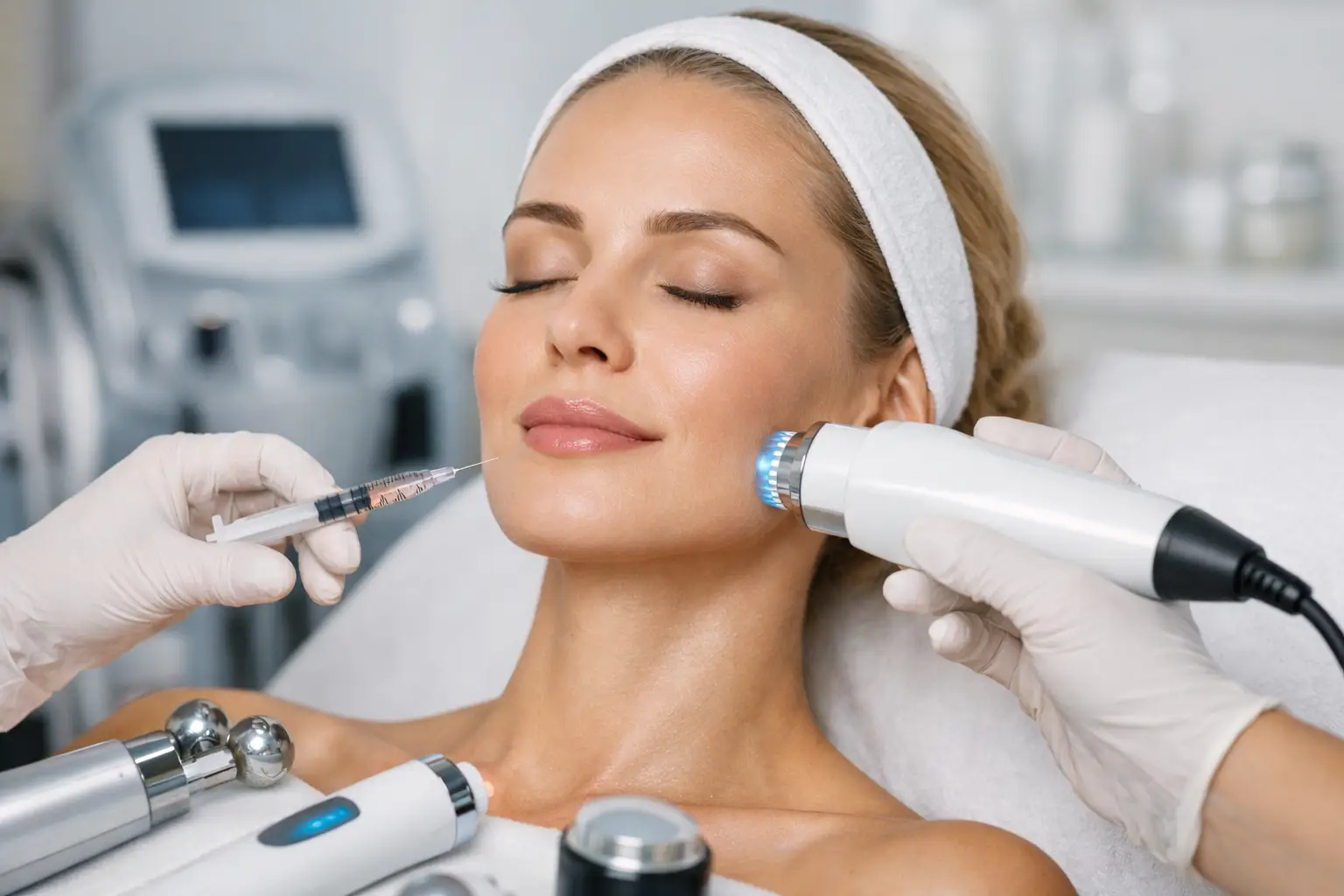
Top Skin Tightening Treatments Explained
Loose skin rarely shows up all at once. It starts as a softer jawline, makeup settling differently around the mouth, or a neck that looks less defined in photos than it did a year ago. If you have been comparing options and feeling overwhelmed, this guide to top skin tightening treatments explained will help you sort out what each treatment actually does, where it performs best, and when one option makes more sense than another.
Skin tightening is not one single category. Some treatments stimulate collagen gradually. Some create a more immediate lift. Some are better for crepey texture, while others are chosen for structure and support. The right plan depends on skin quality, degree of laxity, age, downtime tolerance, and whether you want subtle improvement or a more noticeable change.
What skin tightening treatments are really trying to fix
When clients say they want tighter skin, they are often describing more than one issue. Mild sagging, thinning skin, loss of collagen, reduced elasticity, sun damage, and volume loss can all create the look of looseness. That matters because a treatment that improves skin texture may not do much for jowling, and a treatment that lifts tissue may not improve crepey surface texture on its own.
This is where professional assessment matters. A provider should look at the face or body as a whole, not just the area bothering you most. If the concern is primarily collagen loss, regenerative treatments may be the best fit. If the concern is tissue descent, support-based treatments may be more appropriate. In many cases, the strongest results come from combining modalities rather than expecting one service to do everything.
Top skin tightening treatments explained by how they work
RF microneedling
RF microneedling is one of the most versatile non-surgical skin tightening treatments because it addresses both the skin surface and the deeper layers. Tiny needles create controlled micro-injuries while radiofrequency energy delivers heat into the tissue. That combination helps stimulate collagen remodeling and can improve firmness, pores, texture, acne scarring, and early laxity.
This treatment is often a strong choice for the lower face, jawline, cheeks, neck, and certain body areas. It tends to work well for clients who want visible improvement without surgery and understand that collagen building takes time. Results are not instant. Most people need a series, and the skin continues to improve gradually over several weeks to months.
The trade-off is downtime and patience. You may have redness, swelling, and a rougher feel for a few days, depending on intensity. It is also technique-dependent. Settings, depth, and treatment planning matter if the goal is tightening rather than simply refreshing the skin.
PRP with microneedling
PRP with microneedling uses platelet-rich plasma from your own blood to support healing and rejuvenation after controlled microneedling. This option is often chosen to improve overall skin quality, texture, and radiance while encouraging collagen activity. It can be especially useful for clients who want a more regenerative approach and prefer using the body’s own growth factors.
For tightening, PRP is usually better for mild laxity and early aging changes than more advanced sagging. It can soften crepey skin and improve tone, but it is not usually the first recommendation when someone needs stronger lifting or structural support. Think of it as a collagen-supporting treatment rather than a replacement for more intensive tightening methods.
Plasma fibroblast
Plasma fibroblast treatments target the skin with controlled plasma energy to create tiny surface points that trigger contraction and remodeling. This treatment is often discussed for areas where loose, crepey skin is more obvious, including around the eyes, above the lip, or in small facial zones that need precision.
The appeal is that it can create a noticeable tightening effect without surgery. The caution is that it comes with visible downtime, strict aftercare, and a healing period that clients need to plan for carefully. It is not a casual lunch-break treatment. Skin tone, sun habits, and healing history also matter because safety and candidate selection are critical.
PDO threads
PDO threads work differently from collagen-stimulating resurfacing treatments. They are placed under the skin to create mechanical support and stimulate collagen over time. For clients bothered by mild to moderate tissue descent in the cheeks, jawline, or neck, threads can offer a more immediate lifting effect than treatments focused only on surface remodeling.
This is often a good fit for someone who wants more structure but is not ready for surgery and understands the result is still more subtle than a surgical lift. Threads require skill, planning, and realistic expectations. They can improve contour and support, but they do not replace surgical correction for advanced laxity.
Biostimulators and collagen-building injectables
When skin looks loose because it has also become thinner and less supported, biostimulators can be part of the answer. These treatments are designed to stimulate collagen production over time and can help restore a firmer, stronger foundation in select areas. Depending on the product and treatment plan, they may improve the appearance of laxity indirectly by rebuilding support under the skin.
This category is especially helpful when the issue is not just sagging skin but age-related structural loss. It works best when used strategically and often alongside other skin-quality treatments. If someone expects instant tightening, they may be disappointed. If they understand the value of gradual collagen rebuilding, this can be an excellent long-term tool.
Which treatment works best for different concerns?
For early signs of laxity with rough texture or enlarged pores, RF microneedling is often one of the strongest all-around options. For mild crepey skin and collagen support, PRP with microneedling can be a smart choice. For small areas where visible tightening is the goal and downtime is acceptable, plasma fibroblast may be worth considering. For lifting tissue in the mid-face, jawline, or neck, PDO threads often make more sense than resurfacing alone.
If volume loss is making the face look deflated and older, collagen-stimulating injectables may need to be part of the plan. That is why the best treatment is rarely decided by trend or popularity. It should be chosen by anatomy, skin condition, and realistic treatment goals.
What to expect from a professional consultation
A proper consultation should be specific. You should know whether your concern is true skin laxity, loss of volume, poor skin texture, or a combination of all three. You should also be told what the treatment can and cannot do, how many sessions may be needed, what downtime to expect, and what kind of maintenance will protect your results.
Experienced providers do not oversell skin tightening. They explain timelines clearly because collagen remodeling takes time. They also discuss safety, contraindications, aftercare, and whether your lifestyle supports the treatment you are considering. For example, clients with heavy sun exposure, poor adherence to aftercare, or event deadlines that leave no room for healing may need a different plan.
In a results-driven medspa setting, this level of clarity is not a luxury. It is part of protecting your outcome and your investment.
Why combination treatment plans often outperform single treatments
One of the most common mistakes in aesthetic care is trying to solve a layered problem with one service. A client may need RF microneedling for skin quality, a biostimulator for collagen support, and threads for contour. Another may do very well with microneedling and PRP because the concern is early and more superficial.
Combination planning matters because skin tightening is not only about pulling skin tighter. It is about improving the quality, density, support, and shape of the treated area. At a practice with both beauty and advanced medspa services, clients often benefit from treatment planning that looks at the entire presentation rather than one isolated symptom.
How to choose wisely
If your skin concern is mild and your priority is collagen support with minimal disruption, start with a treatment that improves quality and firmness over time. If your concern is more visible sagging along the jawline or lower face, ask whether a support-based treatment would be more effective. If you are comparing prices only, you may miss the bigger question, which is whether the treatment actually matches the problem.
The best providers are direct. They will tell you when a treatment is a good fit, when a combination plan is smarter, and when expectations need to be adjusted. That honesty is what leads to better outcomes.
Good skin tightening is rarely about chasing the newest treatment on the menu. It is about choosing the right technology, in the right hands, for the right reason, then following aftercare and maintenance with the same discipline used to plan the procedure in the first place.