
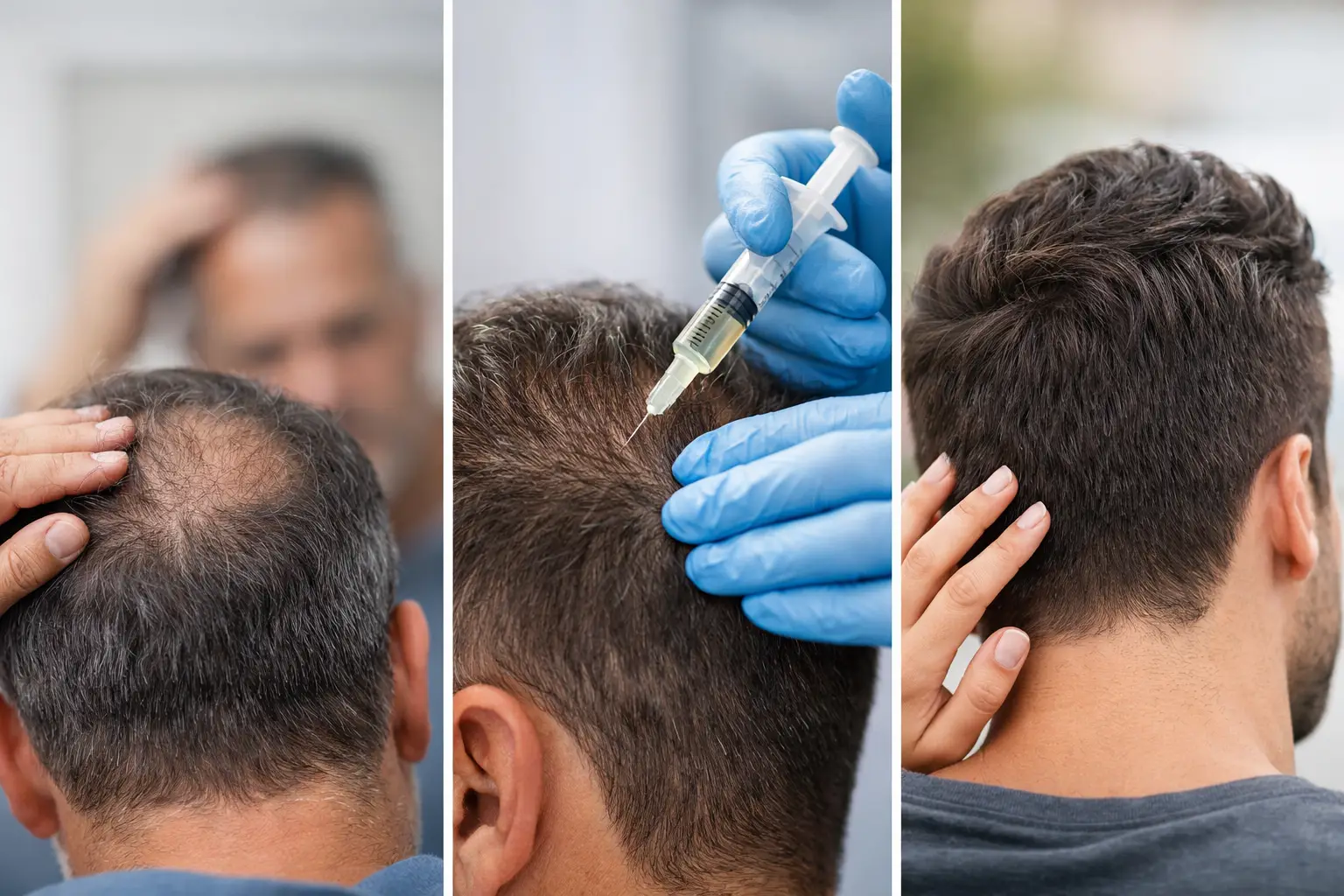
How to Support Hair Restoration at Every Stage
Hair restoration is not a one-appointment decision. It is a process that depends on a clear diagnosis, consistent treatment plan, healthy scalp conditions, and realistic expectations about timing. Knowing how to support hair restoration helps you protect the time and investment you make in professional care while avoiding habits that may work against your results.
Hair shedding and thinning can be emotional, especially when changes appear quickly or affect the hairline, part, or crown. The right response is not to chase every trending product. It is to identify the likely cause, work with qualified providers when appropriate, and follow a plan long enough to evaluate it accurately.
Start With the Reason Behind the Hair Changes
Hair loss is not one condition. Genetics are a common factor for both men and women, but hormonal shifts, stress, illness, medications, nutritional deficiencies, inflammatory scalp conditions, tight styling, and sudden weight changes can also affect density and shedding.
A meaningful evaluation begins with your pattern of loss and your timeline. Diffuse shedding across the scalp may require a different conversation than gradual temple recession or widening through the part. If shedding began after an illness, surgery, pregnancy, major stressor, or medication change, share that information with your medical provider. If you have itching, pain, scaling, redness, patchy loss, or rapid thinning, seek medical evaluation promptly rather than assuming it is purely cosmetic.
This step matters because treatment must match the cause. A beautiful scalp-support plan cannot correct an untreated medical concern, and a treatment designed for gradual pattern thinning may not be the best starting point for sudden shedding.
How to Support Hair Restoration Between Appointments
Professional treatments can be an important part of a hair restoration plan, but daily consistency is what supports the environment around them. Your scalp should be treated like skin, not an afterthought hidden beneath your hair.
Use cleansing products that fit your scalp’s needs. A scalp that is overly oily, irritated, heavily coated with dry shampoo, or layered with styling residue may not feel its best. At the same time, harsh cleansing and aggressive scrubbing can create unnecessary irritation. The right frequency depends on your hair type, activity level, scalp oil production, and product use. Cleanse thoroughly, use your fingertips rather than your nails, and rinse completely.
Be equally mindful of traction and breakage. Tight ponytails, extensions that pull, frequent heat styling, chemical processing, and rough towel drying may not cause every form of hair loss, but they can add stress to fragile strands and make thinning more visible. Choose lower-tension styles, reduce high-heat exposure, and use a gentle detangling method, particularly when hair is wet.
A few practical habits make a noticeable difference over time:
- Avoid picking at flakes, scabs, or irritated areas of the scalp.
- Follow post-treatment instructions precisely, including guidance on washing, sweating, sun exposure, and topical products.
- Protect the scalp from direct Florida sun exposure with a hat or provider-approved sunscreen when the scalp is exposed.
- Take progress photos in the same lighting, angle, and part placement about once per month.
Photos are more reliable than day-to-day mirror checks. Hair growth moves slowly, while lighting and styling can make density look dramatically different from one day to the next.
Give PRP Hair Restoration Time to Work
PRP hair restoration uses platelet-rich plasma prepared from your own blood as part of a treatment plan intended to support the scalp and hair follicles. It is often considered by clients experiencing certain forms of thinning who want a clinically informed, non-surgical option.
PRP is not an overnight fix, and it should not be marketed that way. Hair grows in cycles. Early changes may be subtle, such as reduced shedding or improved hair quality, while visible density changes often require time and a series of treatments. Your provider can recommend a schedule based on your goals, current pattern of thinning, and response to treatment.
Consistency matters. Skipping recommended sessions or changing your entire home routine every few weeks makes it harder to assess whether the plan is helping. Keep your follow-up appointments, communicate about any changes in your health or medications, and ask before adding new scalp products or supplements.
Support Growth From the Inside Without Guesswork
Hair is made of protein, and significant dietary restriction can affect shedding. A balanced diet with adequate protein, iron, zinc, vitamin D, and other essential nutrients supports overall hair health. However, more is not always better. Taking high-dose supplements without a known need can be ineffective and, in some cases, counterproductive.
If you suspect a deficiency, speak with a qualified medical professional about appropriate testing and recommendations. This is especially relevant for clients with restrictive diets, recent weight loss, digestive concerns, heavy menstrual cycles, or a history of low iron or vitamin D.
Hormones can also influence hair density, texture, and growth cycles. Changes related to menopause, thyroid health, postpartum recovery, or other hormonal concerns deserve a medical conversation. For some clients, addressing an underlying wellness factor is an essential part of supporting aesthetic hair-restoration care. It is not a replacement for diagnosis or individualized medical guidance.
Sleep and stress management deserve practical attention as well. No one can eliminate stress completely, but sustained stress can coincide with increased shedding for some people. Regular movement, adequate sleep, hydration, and a realistic routine are not glamorous recommendations, but they help support the body systems involved in healthy hair growth.
Be Careful With At-Home Products and Viral Advice
The hair-care market is full of dramatic claims. Oils, scalp scrubs, supplements, laser devices, shampoos, and social-media remedies may sound convincing, especially when a before-and-after photo is involved. The problem is that a product can make hair feel softer or look fuller without changing the underlying cause of thinning.
Some at-home options may have a role in a broader plan, but selection should be based on your scalp condition and provider guidance. Introducing too many products at once can lead to irritation, buildup, or confusion about what is actually helping. This is particularly true after professional scalp treatments, when the skin may need a specific recovery period.
Avoid using essential oils, strong exfoliants, or harsh DIY mixtures on a sensitive scalp simply because they are popular online. Burning, persistent redness, flaking, or tenderness is not evidence that a product is working. It is a reason to stop and ask for professional guidance.
Consider the Cosmetic Side of Thinning
Supporting restoration and improving the appearance of thinning can happen at the same time. A strategic haircut, color placement, volumizing styling techniques, and fiber-based cosmetic products can help create the look of fuller hair while you follow a longer-term treatment plan.
Scalp micropigmentation may also be an option for suitable clients who want to reduce the contrast between visible scalp and hair, particularly around the hairline, crown, or areas of diffuse thinning. It does not grow new hair, and it should be viewed as a cosmetic density solution rather than a replacement for medical assessment or restorative treatment. Precision, sanitation, pigment selection, and a natural hairline design are critical.
The best approach depends on your goals. Some clients prioritize preserving existing hair. Others want a more immediate cosmetic improvement while waiting for restoration efforts to take effect. A skilled provider should explain the role and limits of each option clearly.
Know When to Reassess Your Plan
Hair restoration requires patience, but patience does not mean ignoring a plan that no longer fits. Reassess if shedding becomes noticeably worse, your scalp develops discomfort, you experience a major health change, or you have followed recommendations consistently without the expected progress window discussed with your provider.
Bring your progress photos and a list of current medications, supplements, and hair products to follow-up visits. Specific information allows for better decisions than a vague sense that your hair looks different. It may be appropriate to adjust treatment timing, simplify your home routine, involve another medical professional, or add a cosmetic support option.
At Vintage Lashes and Beauty Services, hair restoration support is approached with the same standards applied to every advanced aesthetic service: careful consultation, clean technique, clear aftercare, and a plan built around realistic results.
Your hair deserves more than panic purchases and temporary promises. Give it a consistent routine, protect the scalp, keep qualified providers informed, and allow enough time for a well-chosen plan to show what it can do.