
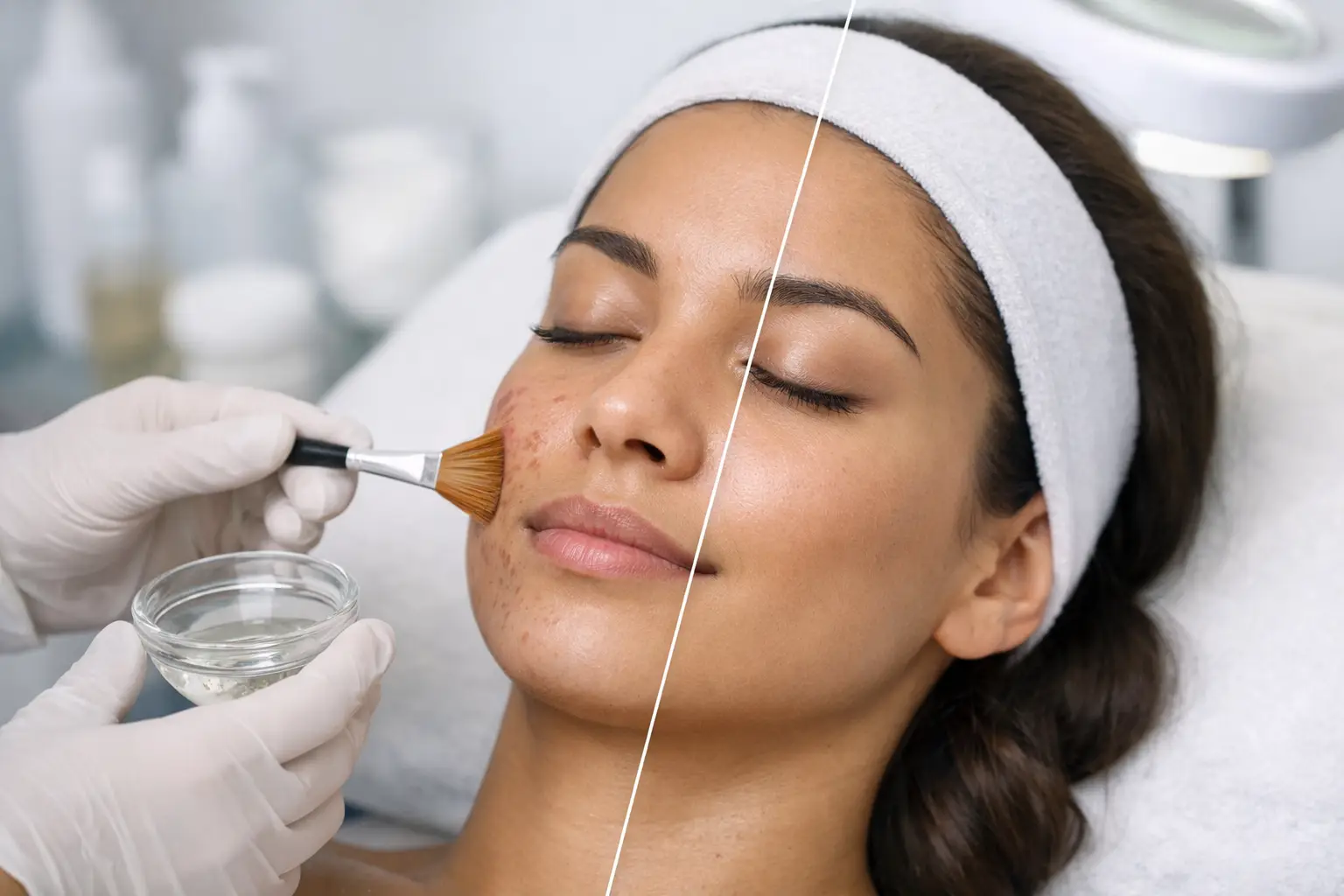
VI Peel for Acne Scars: Is It Worth It?
If acne left behind more than a memory, you are not alone. One of the most common questions in a results-driven skin practice is whether a vi peel for acne scars can actually improve texture, discoloration, and overall skin quality without jumping straight to more aggressive resurfacing.
The short answer is yes – for the right type of scarring, the right skin, and the right treatment plan. But acne scars are not all the same, and that matters. A chemical peel can soften some concerns beautifully, while deeper scars often need a more layered approach.
How a VI Peel works on acne-scarred skin
A VI Peel is a medium-depth chemical peel designed to exfoliate damaged surface layers, stimulate cellular turnover, and support collagen remodeling. In practical terms, that means it helps remove dull, uneven skin while encouraging fresher, smoother skin to come forward.
For acne-scarred skin, this can be useful in two major ways. First, it can improve post-acne discoloration, including lingering red or brown marks that many people call scars even when they are technically pigment changes. Second, it can help refine mild textural irregularities over time by promoting renewal and collagen activity.
What it does not do is erase deep pitted scars in a single session. Ice pick, boxcar, and rolling scars often respond better when a peel is part of a broader correction plan rather than the entire plan.
VI Peel for acne scars: what it helps most
The best candidates for a vi peel for acne scars are usually dealing with a combination of pigment, mild uneven texture, enlarged pores, active breakouts, and overall skin congestion. If your skin looks blotchy after acne, feels rough in certain areas, or has shallow textural change, this treatment may offer visible improvement.
It can also be a strong option for clients who want skin correction with manageable downtime. Compared with more aggressive resurfacing treatments, a VI Peel is often appealing because it can improve tone and texture without taking you completely out of your routine for an extended period.
That said, results depend on the kind of marks you have. Flat red or brown post-acne marks often improve faster than true indentations in the skin. Shallow scars may soften. Deep tethered scars usually need more than a peel.
What types of acne scars respond best
Acne scar treatment is always more precise when you separate discoloration from structural scars.
Post-inflammatory hyperpigmentation tends to respond well to chemical exfoliation, especially when the skin is also breakout-prone or uneven. This is often the category where people notice the fastest cosmetic improvement because the skin tone starts to look cleaner and brighter.
Mild rolling scars and superficial boxcar scars may also improve, particularly after a series of treatments. The change is usually gradual, not dramatic overnight. Think smoother-looking skin and less obvious texture rather than complete scar removal.
Deeper boxcar scars, ice pick scars, and more pronounced indentations are less likely to respond fully to a VI Peel alone. In those cases, treatments such as microneedling, RF microneedling, or other collagen-focused options may be more appropriate, either before or after a peel series depending on the skin’s condition.
What to expect during treatment and peeling
A professional VI Peel appointment is typically straightforward. The skin is cleansed thoroughly, the solution is applied in layers, and you leave with detailed aftercare instructions. Most clients describe the application itself as tolerable, with some tingling, warmth, or a mild stinging sensation.
Peeling does not usually start immediately. It often begins around day two or three and can continue for several days. The most visible shedding commonly happens around the mouth, nose, and areas with more movement, though every skin response is slightly different.
This part matters: do not pick, scrub, or force the peeling process. Prematurely pulling away peeling skin can increase irritation and interfere with healing. Aftercare is not optional if you want the best result and the safest recovery.
Sun protection is also essential. Freshly treated skin is more vulnerable, and unprotected sun exposure can make discoloration worse. For clients in sunny areas like Naples and throughout Southwest Florida, that is a very real concern, not just a generic skincare warning.
How many VI Peel sessions are usually needed
One treatment may brighten the skin and improve overall clarity, but acne scar revision is rarely a one-and-done process. Most clients with lingering post-acne marks or mild texture concerns need a series.
The exact number depends on scar type, skin sensitivity, pigment level, and how aggressively the skin can be treated safely. Some people see meaningful changes after three treatments. Others need a longer plan spaced out over several months.
This is where professional assessment matters. A skilled provider is not just selling a peel. They are evaluating whether your concern is pigment, texture, active acne, inflammation, or a mix of all four, then building a treatment schedule that matches that reality.
When VI Peel is a smart choice – and when it is not
A VI Peel can be a smart first-line treatment if your goals are clearer tone, smoother surface texture, less congestion, and improvement in mild acne-related marks. It also makes sense for clients who want a medically informed treatment with visible skin turnover and reasonable downtime.
It may not be the best standalone option if your main concern is deep atrophic scarring. In those cases, collagen-induction procedures often outperform peels because they work more directly within the skin structure. Some clients also need acne control first. If breakouts are still active and inflamed, scar treatment has to be timed carefully so you are not trying to repair skin that is still being damaged.
Certain skin conditions, product use, or recent treatments may also affect timing. If you are using strong prescription exfoliants, have compromised skin barrier function, or have a history of abnormal pigmentation after procedures, the treatment plan may need to be adjusted.
VI Peel vs other acne scar treatments
Clients often compare a VI Peel with microneedling because both can target post-acne skin concerns. The difference is in how they work. A peel primarily resurfaces and accelerates cell turnover. Microneedling creates controlled micro-injury to stimulate collagen deeper in the skin.
If your concern is mostly discoloration and surface roughness, a peel may be enough to start. If your concern is indentation and textural depth, microneedling or RF microneedling may be more effective. In many practices, the most successful scar revision plans combine modalities instead of relying on one treatment to do everything.
That combination approach is often what separates average improvement from real correction. It is also why experienced providers tend to be careful with promises. Acne scars can improve substantially, but treatment has to match the scar pattern.
How to get better results from a VI Peel for acne scars
The treatment itself is only part of the outcome. Skin prep, aftercare, and maintenance all matter.
If your provider recommends pausing certain products before treatment, follow that guidance. If they give you a post-peel care plan, stick to it. If they tell you to stay out of direct sun and use proper SPF consistently, take that seriously. Skin that is repeatedly inflamed, over-exfoliated, or sun-damaged is harder to correct.
It also helps to keep expectations realistic. Improvement is often cumulative. Many clients notice brighter skin first, then more even tone, then a gradual softening of mild textural concerns over multiple treatments. That timeline is normal.
For clients who invest in professional skin treatments, this is the bigger picture to remember: the goal is not just to peel the skin. The goal is to improve skin behavior, tone, and texture in a controlled way that supports long-term results.
Is a VI Peel worth it for acne scars?
For many clients, yes – especially when acne marks are a mix of discoloration, congestion, and mild textural change. It offers a meaningful middle ground between light superficial treatments and more intensive corrective procedures. You can see visible improvement without committing to the downtime or intensity of stronger resurfacing.
But worth it does not mean universal. If your scars are deep, tethered, or long-standing, a VI Peel may be one part of the answer rather than the full answer. The best investment is not the trendiest treatment. It is the treatment plan that matches your actual skin.
That is why a proper consultation matters so much. Experienced providers look at scar depth, pigment, active acne history, skin tolerance, and lifestyle before recommending a series. At a practice like Vintage Lashes, that treatment planning process is what helps clients pursue visible improvement safely and with clear expectations.
If acne scars have been bothering you for years, start with a professional evaluation instead of guessing. The right plan is usually less about chasing one miracle treatment and more about choosing the right sequence, the right timing, and the right level of correction for your skin.